


基于人体生物力学阻抗辨识的月面建造远程变阻抗控制
doi: 10.11728/cjss2026.03.2025-0142 cstr: 32142.14.cjss.2025-0142
-
 冯籽越 男, 2001年10月出生于浙江省金华市, 博士研究生, 主要研究方向为面向月面建造的人机交互、遥操作等. E-mail: 24B918067@stu.hit.edu.cn
 -
 袁帅 男, 1988年10月出生于湖南省常德市, 现为哈尔滨工业大学航天学院飞行器动力学与控制研究所副所长, 教授、博士生导师, 主要研究方向为轻量化智能优化算法、飞行器控制与规划, 以及未来月球科研站建造基础理论和关键技术等方面. E-mail: shuaiyuan@hit.edu.cn
作者简介:
通讯作者:
Teleimpedance Control for Lunar Construction Based on Biomechanical Impedance Identification of Human Body
-
摘要: 随着月球探索的不断发展, 针对月面基地建设及设施建造等任务需求, 远端机械臂在不确定、非结构化环境下的交互行为对安全性、准确性和透明度提出更高要求. 仿人变阻抗控制方法能够在兼顾环境交互力安全的同时实现高精度的控制, 为解决月面人机协同难题提供了新思路. 使用基于人体阻抗参数的远程变阻抗机械臂控制策略, 将人体变阻抗参数映射到远端机械臂, 满足月面建造任务的复杂交互需求. 该方法通过融合4通道表面肌电信号与上肢肌肉力学模型, 构建人体末端刚度实时辨识系统. 为解决仿人变阻抗的泛化问题, 引入个性化人体物理参数, 克服了传统测量方法的局限性并提升了泛化性能. 同时, 在远程变阻抗控制中, 通过力觉、视觉反馈提升交互过程中的信息透明度, 并利用人体自然神经反射实现阻抗的自适应调整. 进而, 基于月面桁架建设平台的装配任务需求, 验证了远程变阻抗控制相较于传统遥操作方案的优势.Abstract: Driven by the continuous progress in lunar exploration, teleoperated robotic arms require highly safe, accurate, and transparent control strategies to handle uncertain and unstructured environments during lunar base construction. Humanoid variable impedance control ensures both safe environmental interaction and high-precision tracking, providing a robust solution for human-robot collaboration. This study investigates a teleoperation strategy that maps human impedance parameters onto a remote robotic arm to meet the interactive demands of lunar tasks. By integrating four-channel surface ElectroMyoGraphy (sEMG) signals with an upper limb mechanics model (built upon Hill’s model and kinematics), a real-time identification system for human end-effector stiffness is established. Unlike conventional methods, this strategy incorporates personalized physical parameters to enhance the generalization of humanoid impedance control. Furthermore, force and visual feedback are utilized to improve information transparency and leverage natural neural reflexes for adaptive impedance adjustment. Finally, experimental results on a lunar truss assembly platform demonstrate that the proposed humanoid variable impedance control significantly outperforms traditional teleoperation schemes.
-
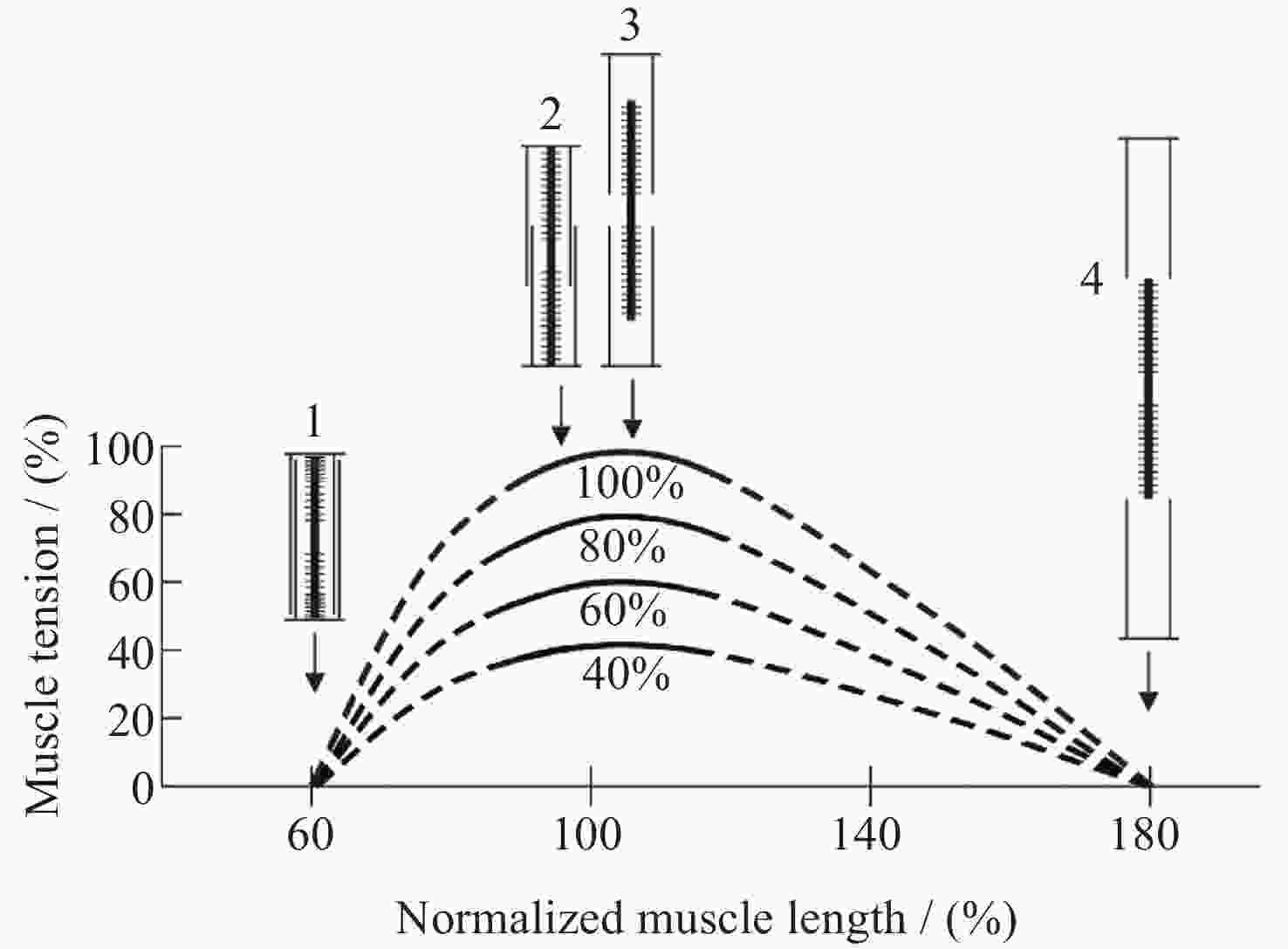
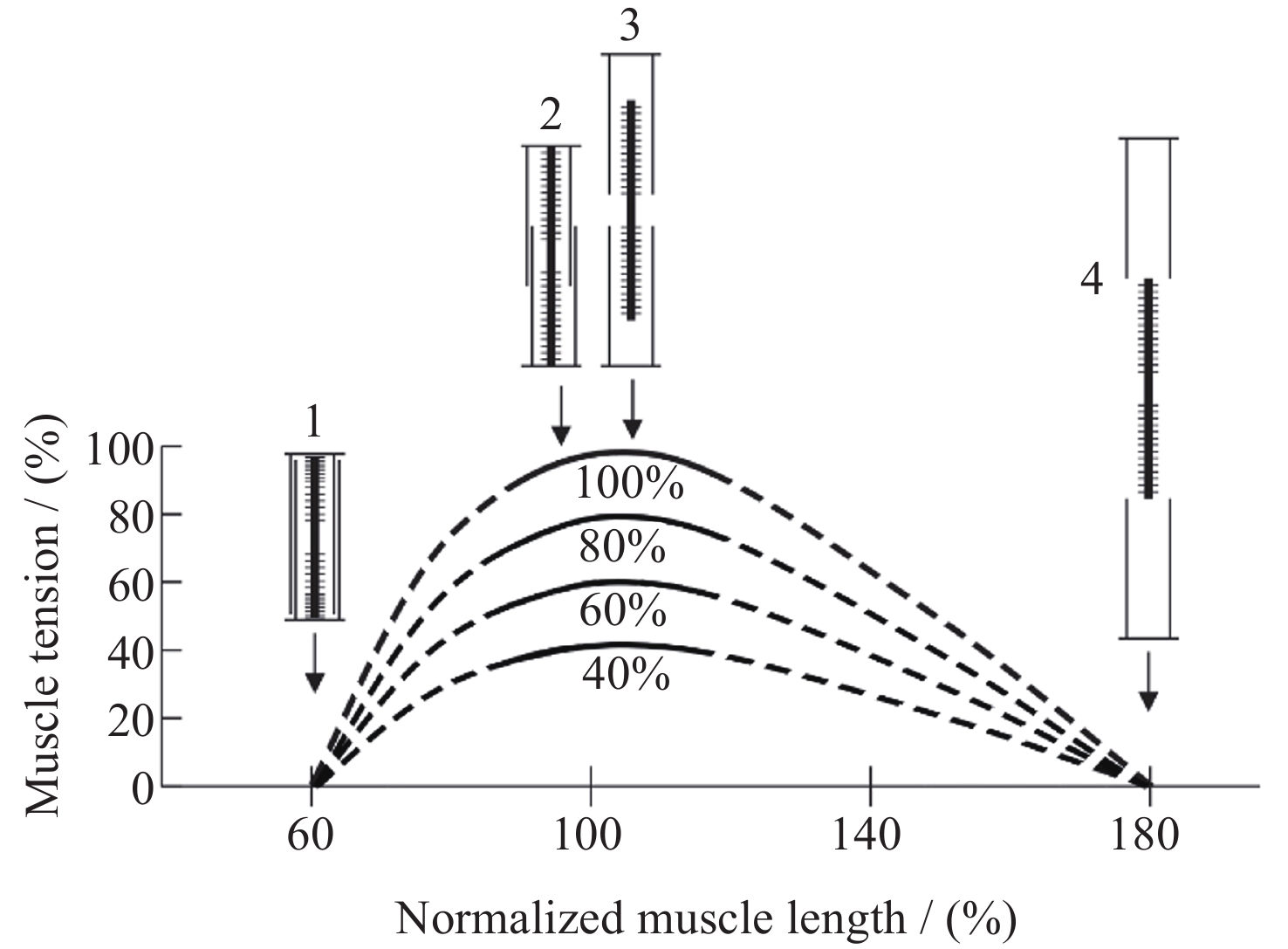
图 3 不同肌肉激活程度下肌肉张力与长度的关系
Figure 3. Muscle tension-length relationship under different muscle activation
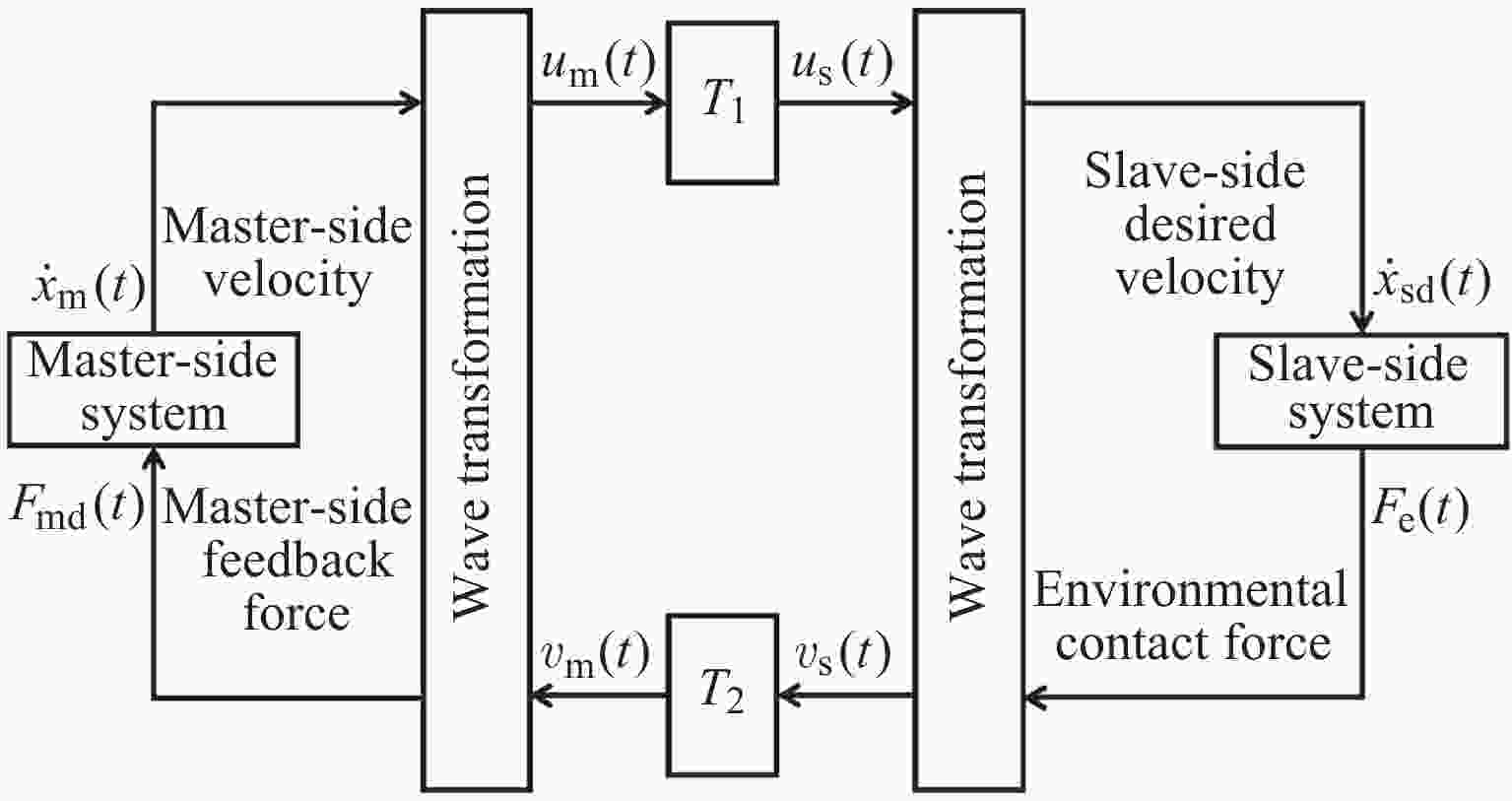
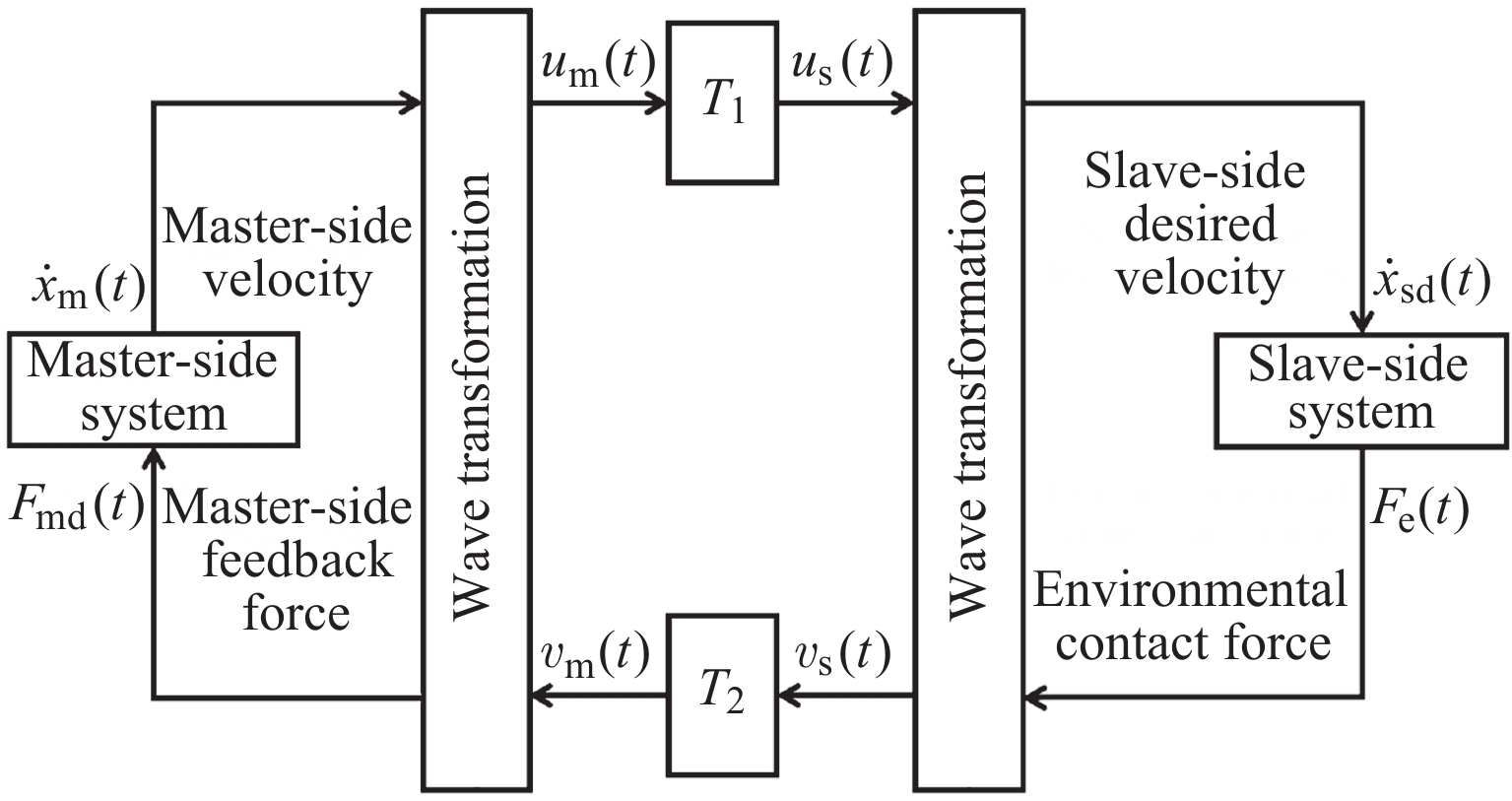
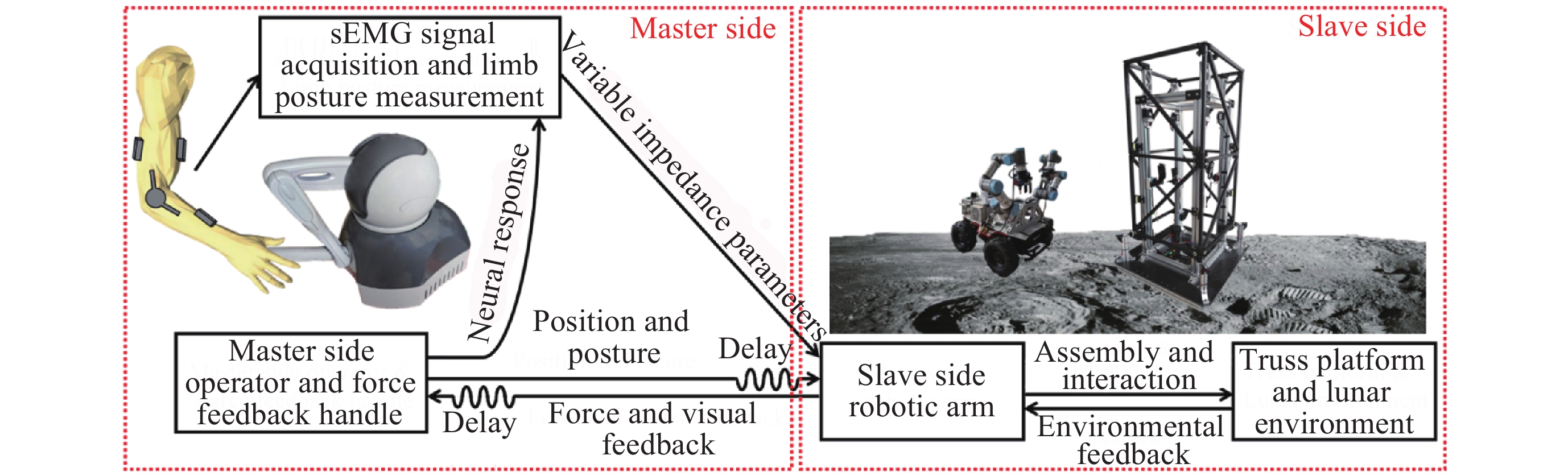
图 7 基于波变量的时延补偿控制架构
Figure 7. Time-delay compensation control architecture based on wave variables
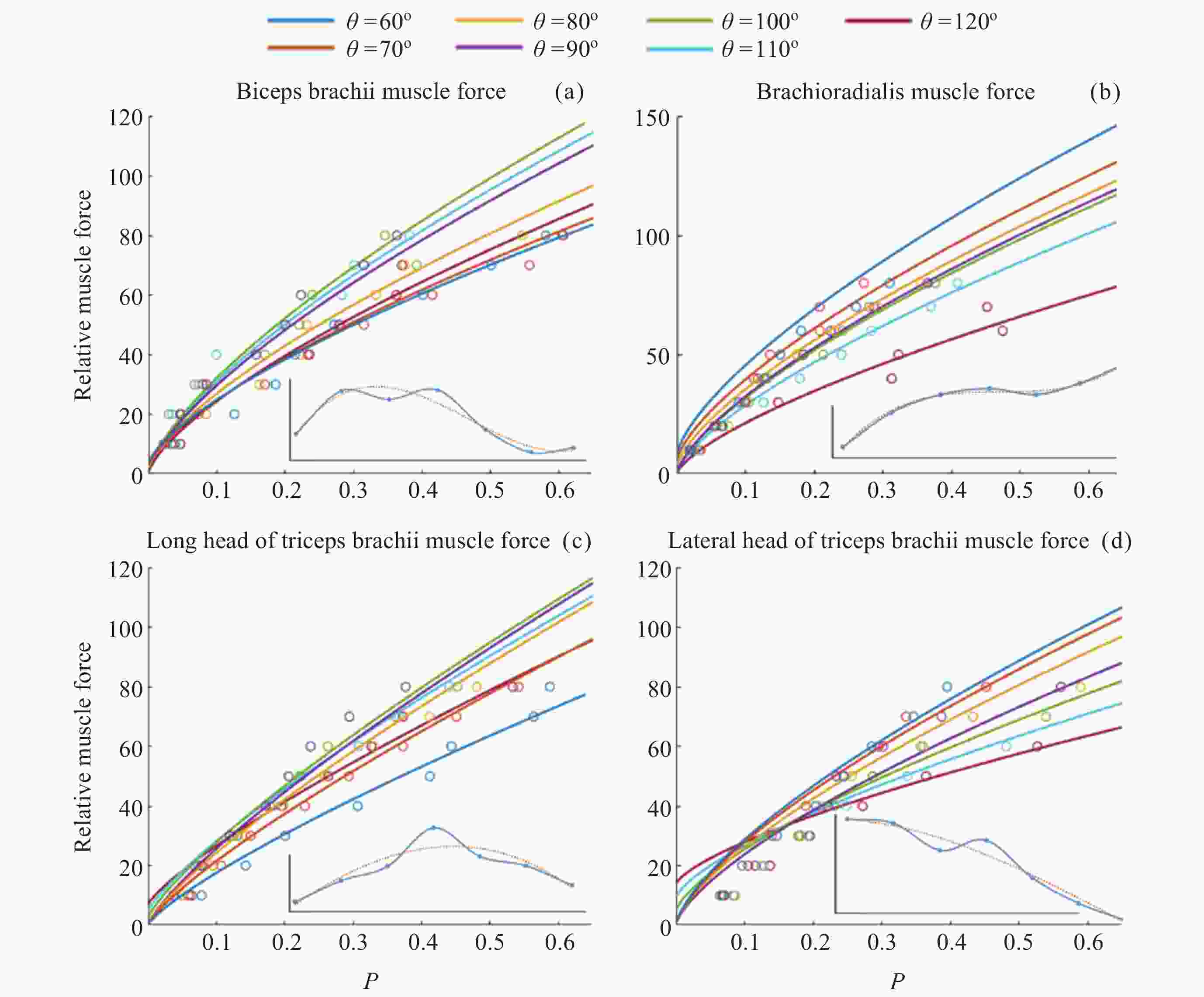
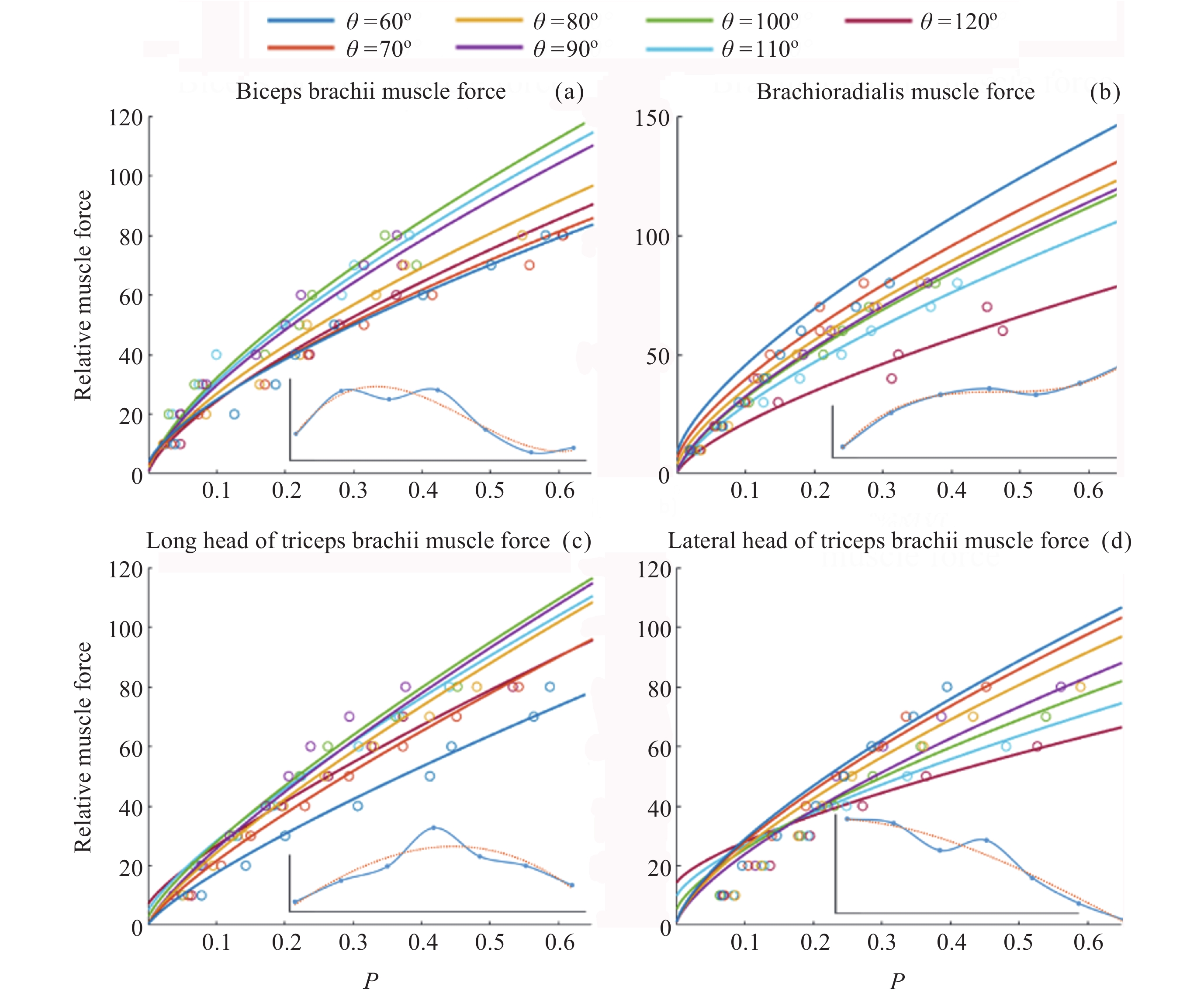
图 9 不同角度下各块肌肉肌力与最大自主收缩百分比的关系
Figure 9. Specific muscle force and PMVC relationships across different joint angles
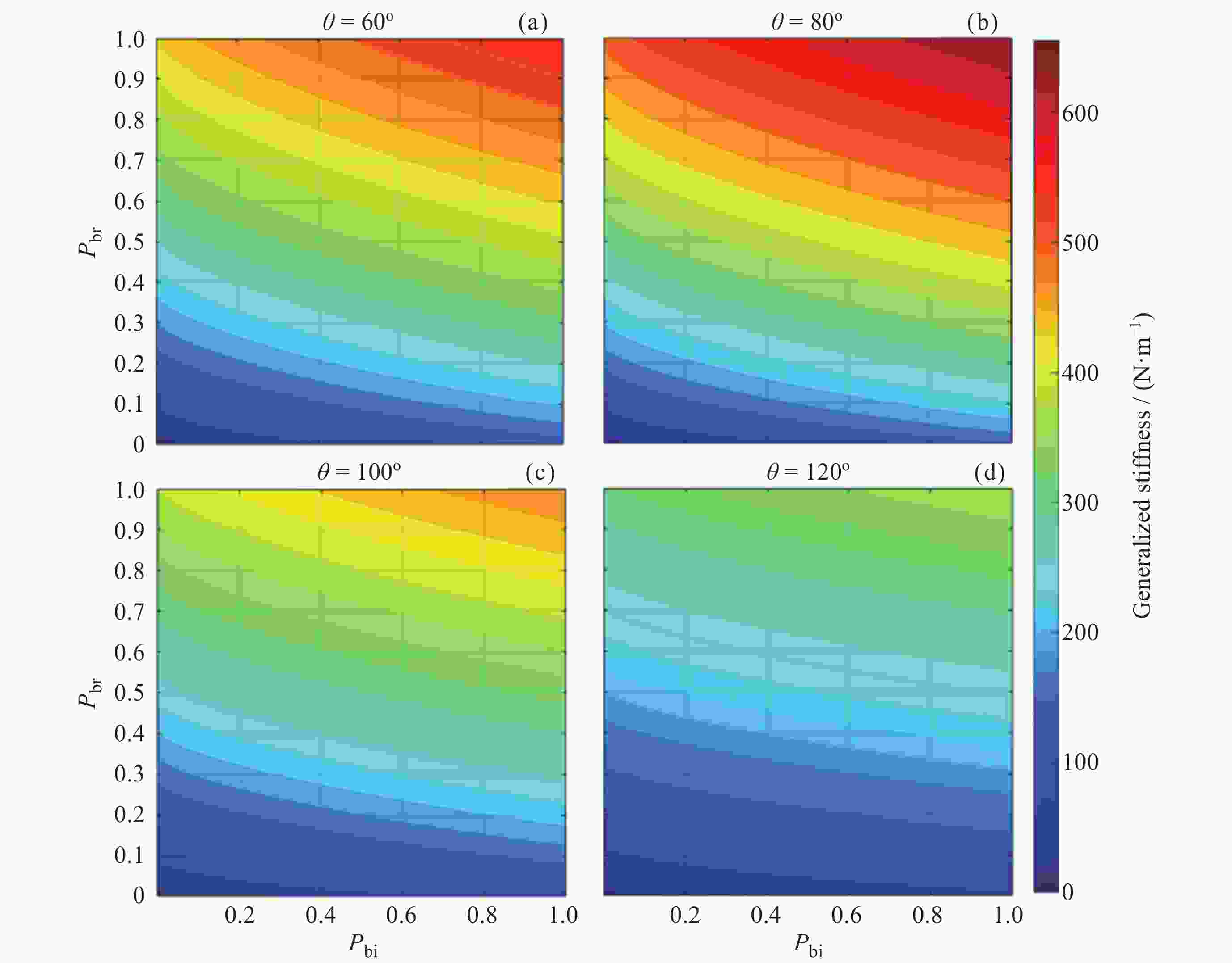
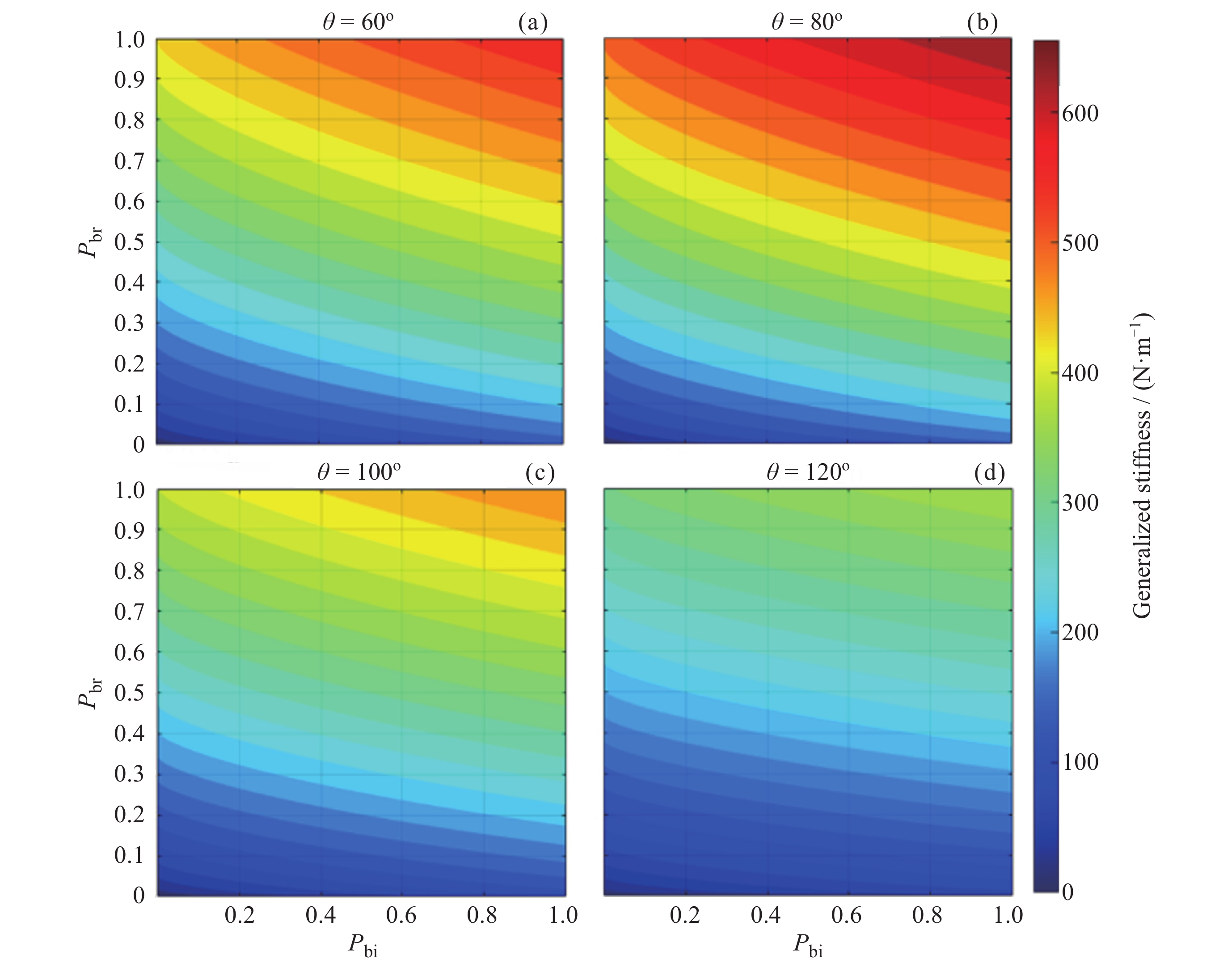
图 10 不同角度下屈曲刚度与最大自主收缩百分比的关系
Figure 10. Relationship between flexion stiffness and PMVC at different angles
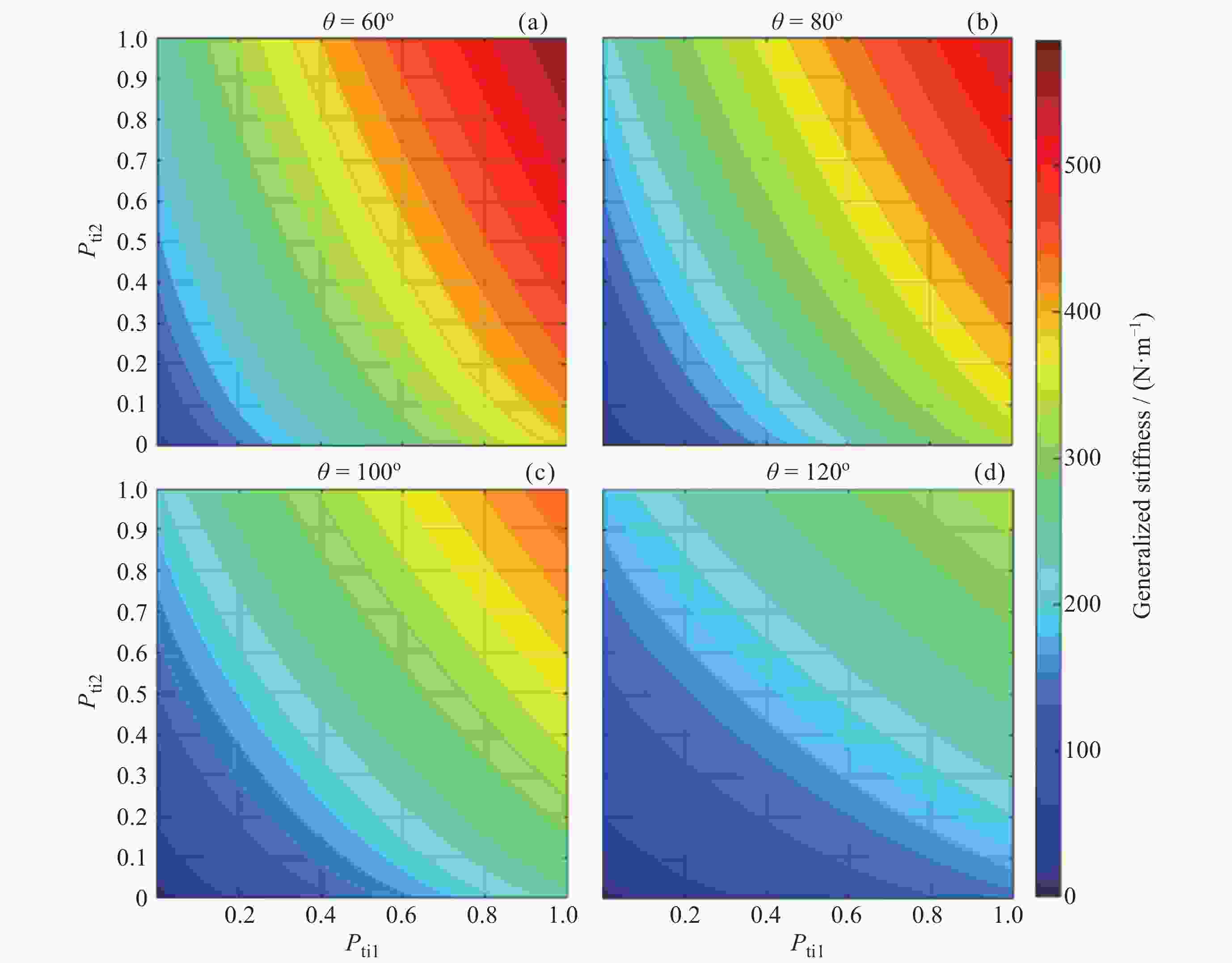
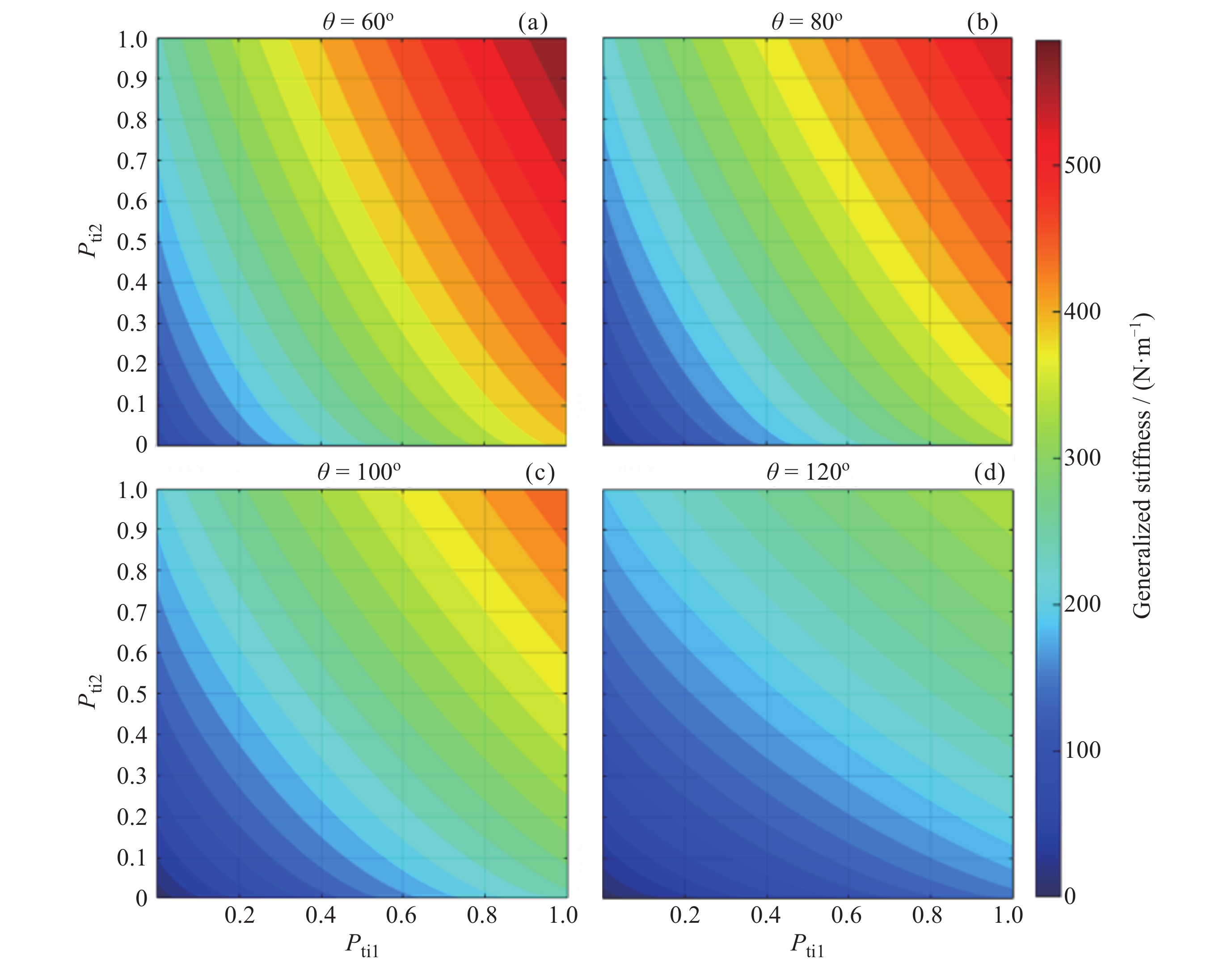
图 11 不同角度下伸展刚度与最大自主收缩百分比的关系
Figure 11. Relationship between extension stiffness and PMVC at different angles
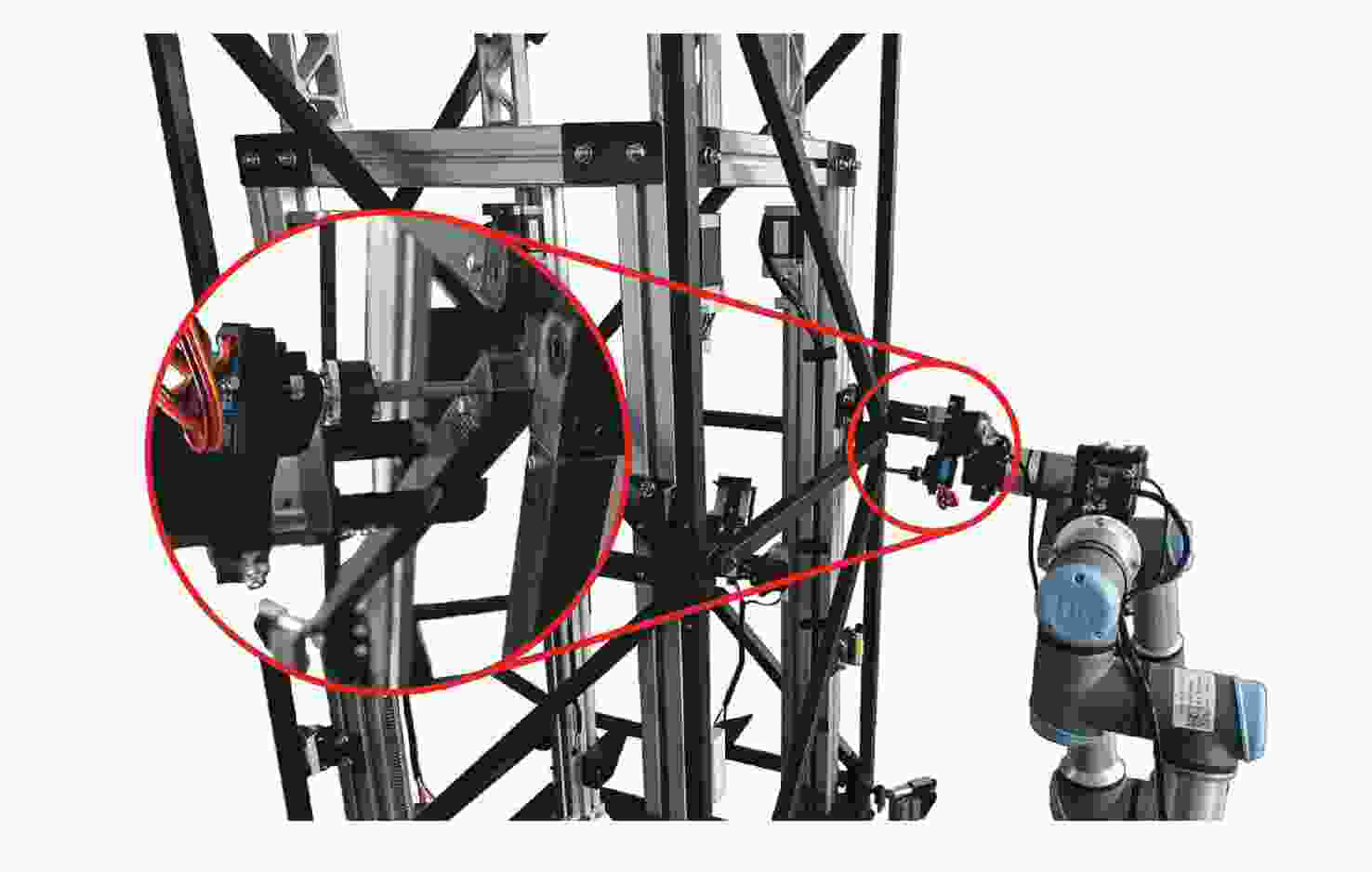
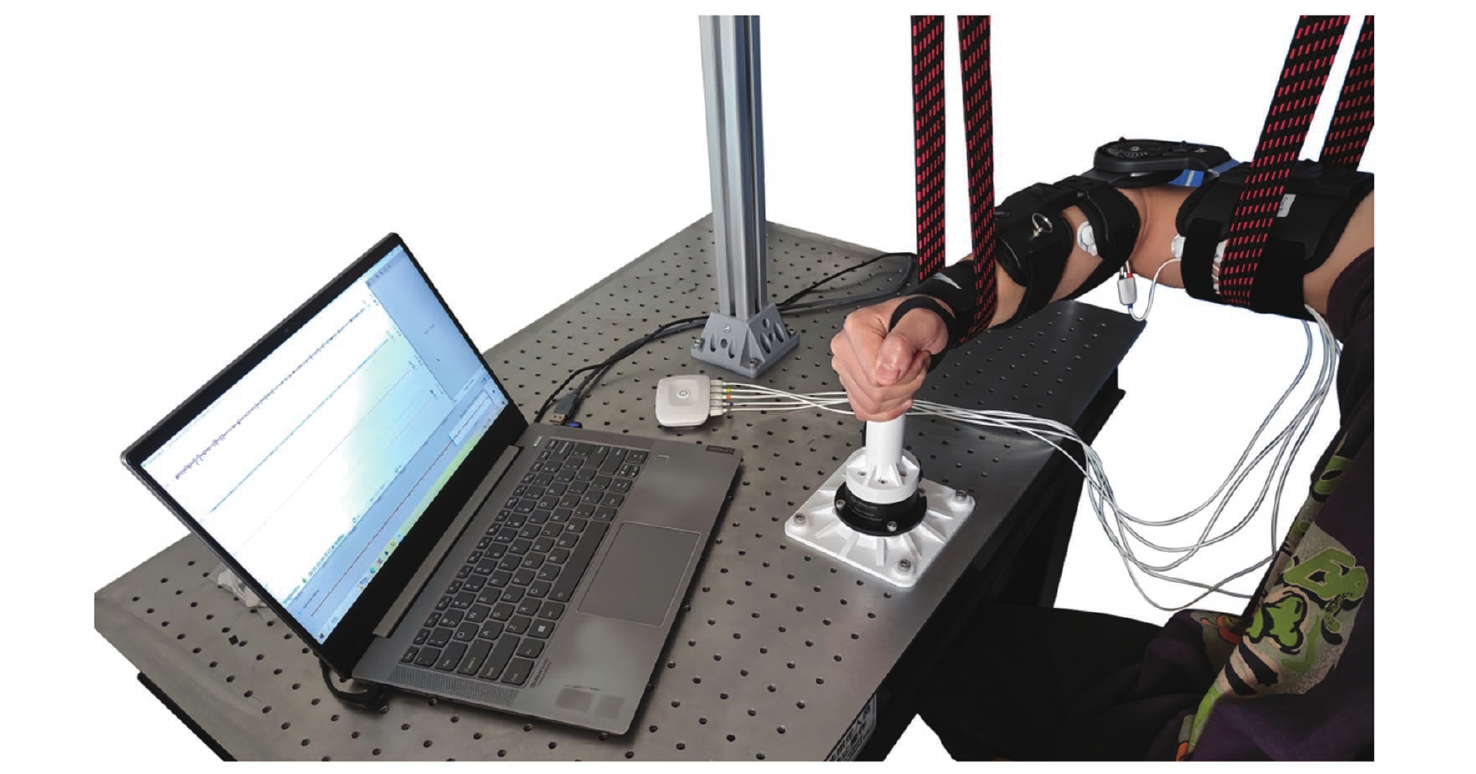
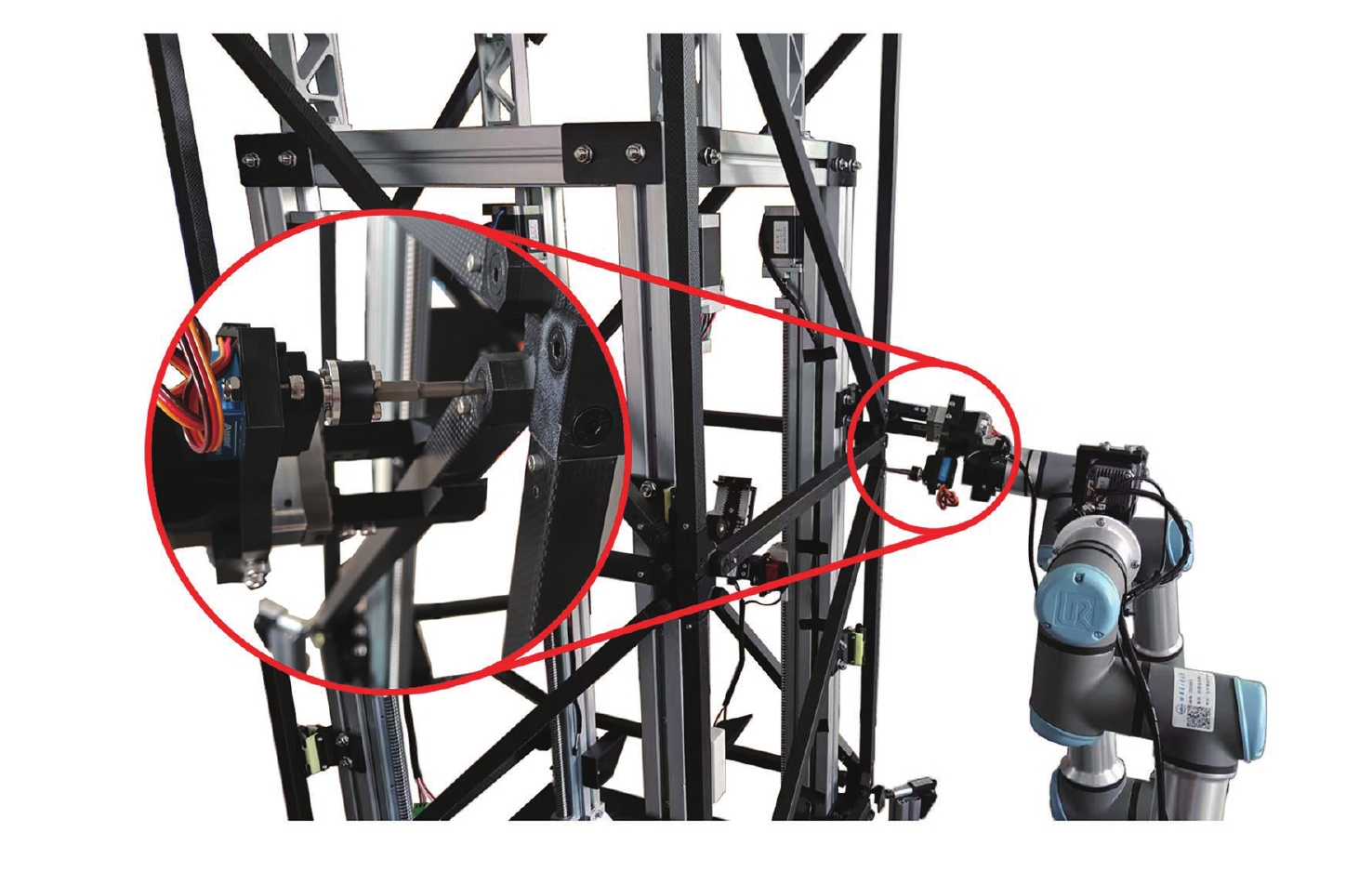
图 12 月面桁架结构变阻抗装配实验从端平台
Figure 12. Experimental platform for variable impedance assembly of lunar truss structure
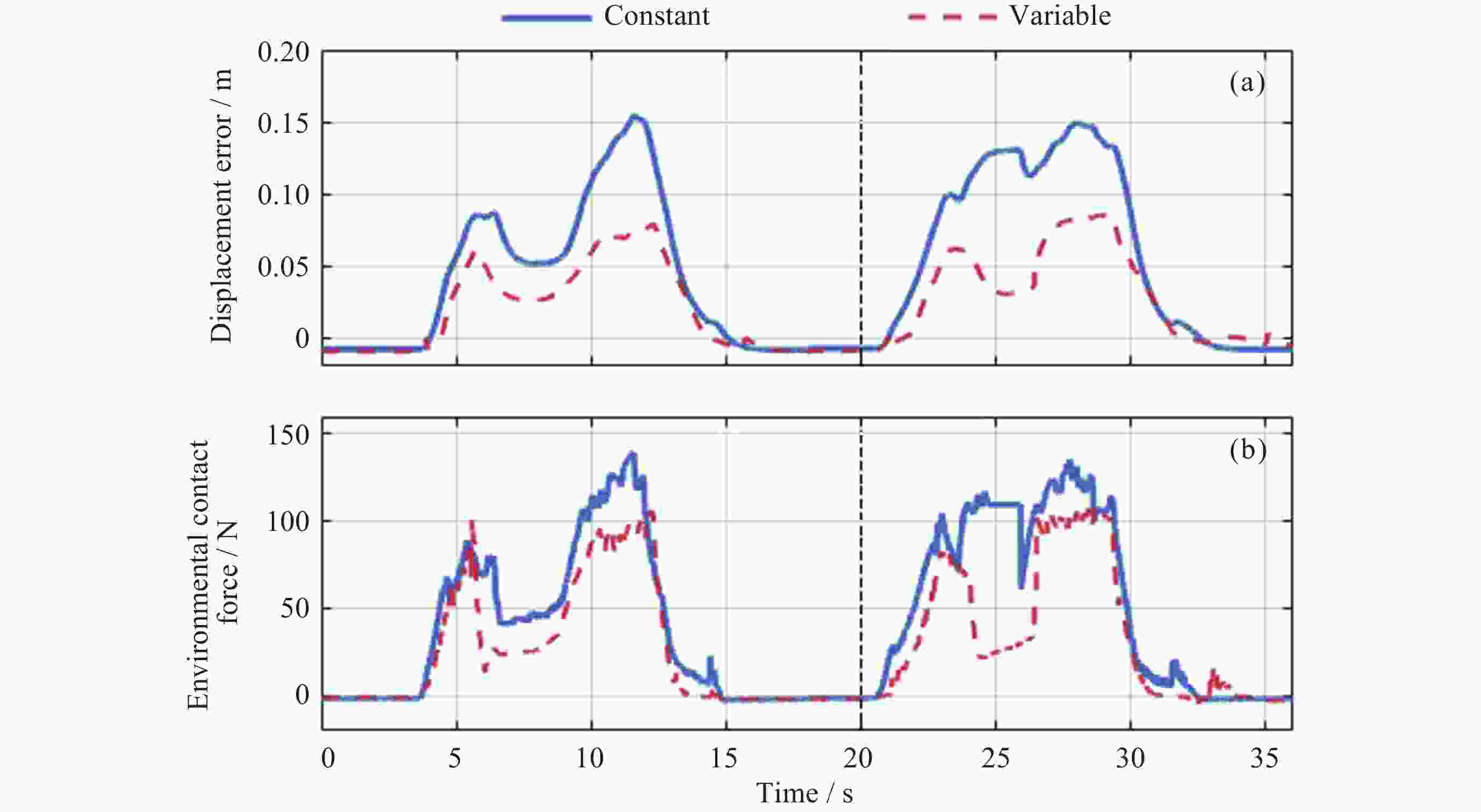
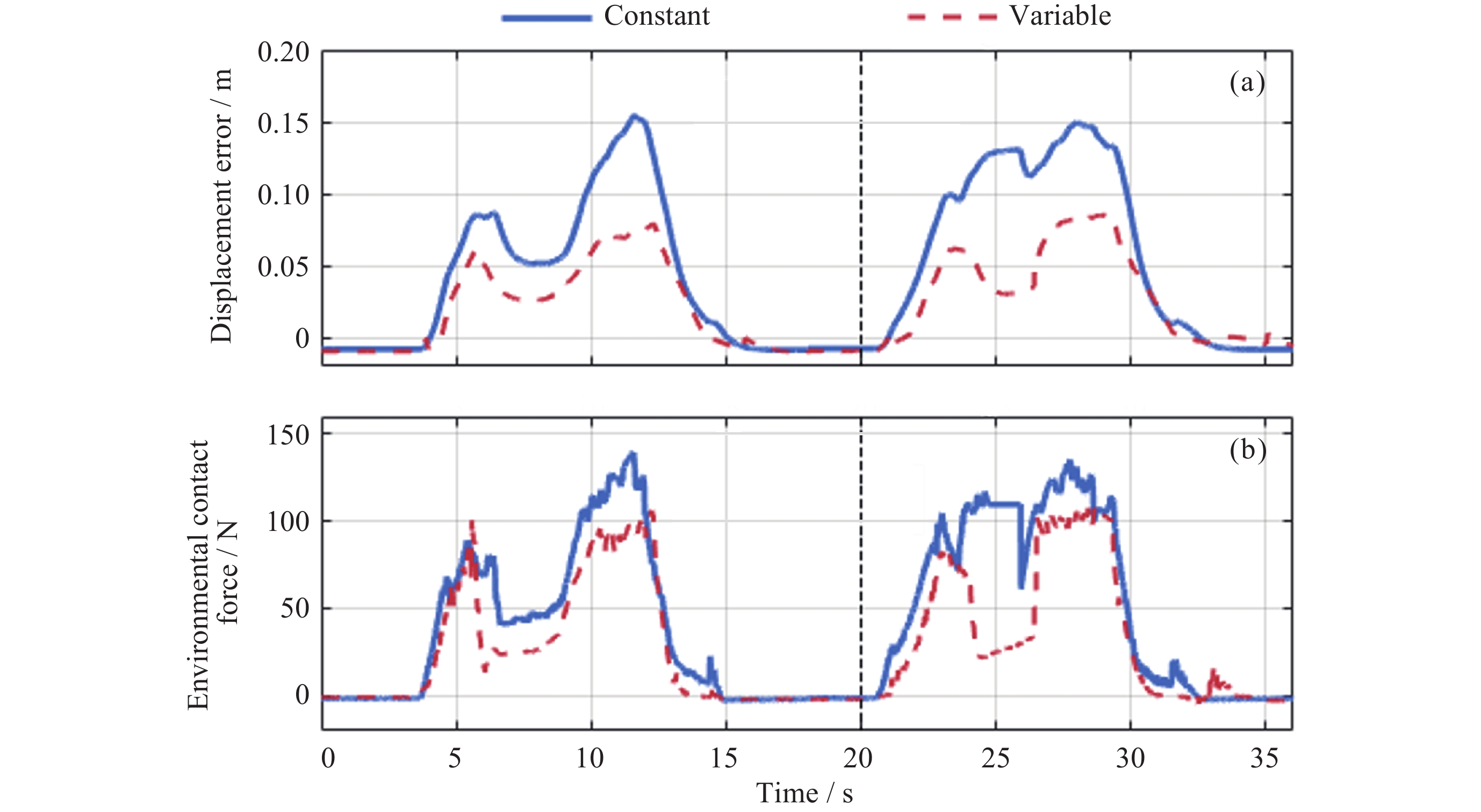
图 13 不同控制策略下轴向位移修正 (a) 与环境力 (b) 的时变特征对比 (虚线为两次实验的节点)
Figure 13. Comparison of time-varying axial displacement correction (a) and environmental contact force (b) under different control strategies (The dashed line is a node of the two experiments)
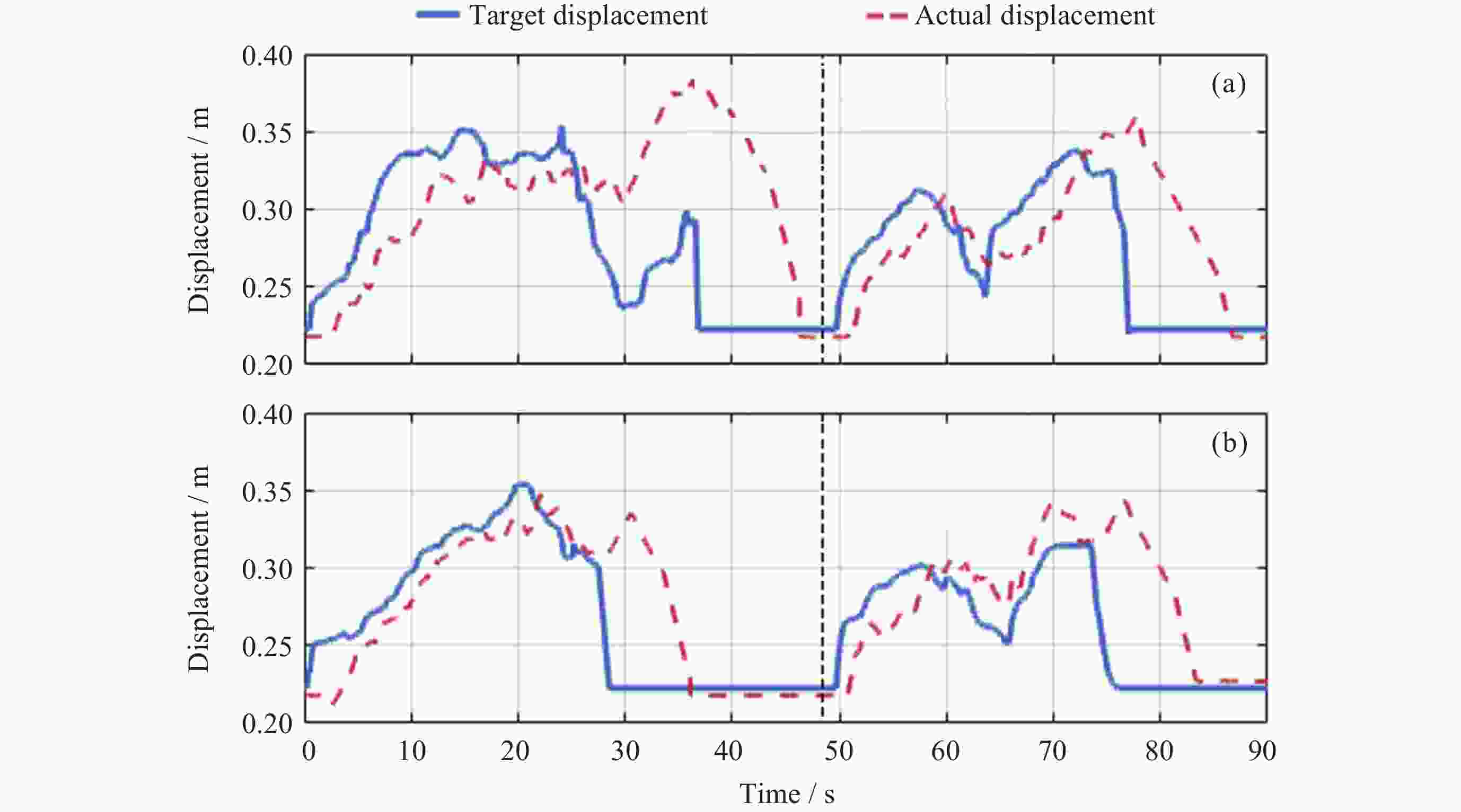
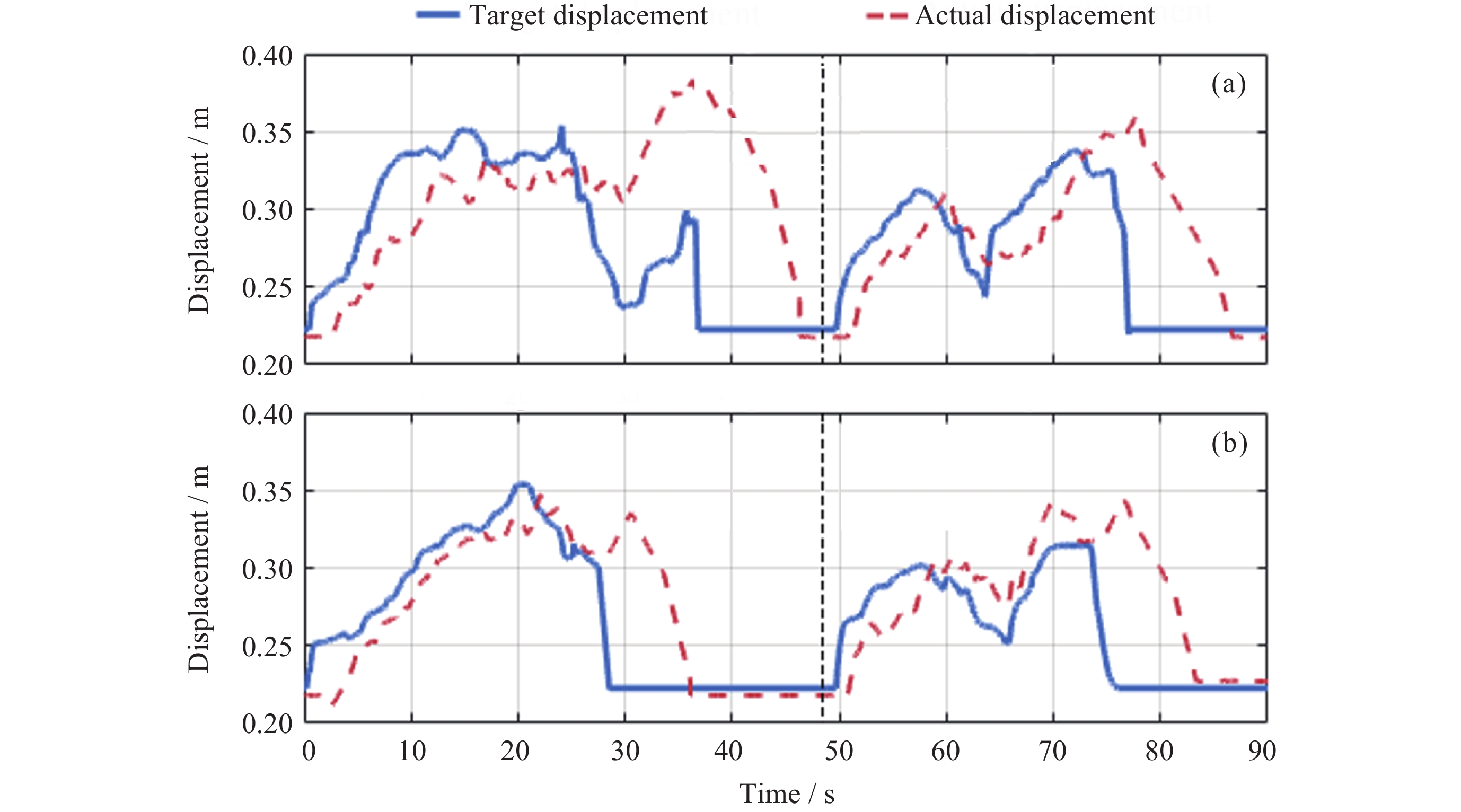
图 14 2 s时延下恒定阻抗与可变阻抗控制策略的位移跟踪性能对比
Figure 14. Comparison of displacement tracking performance under constant and variable impedance control strategies with 2 s delay
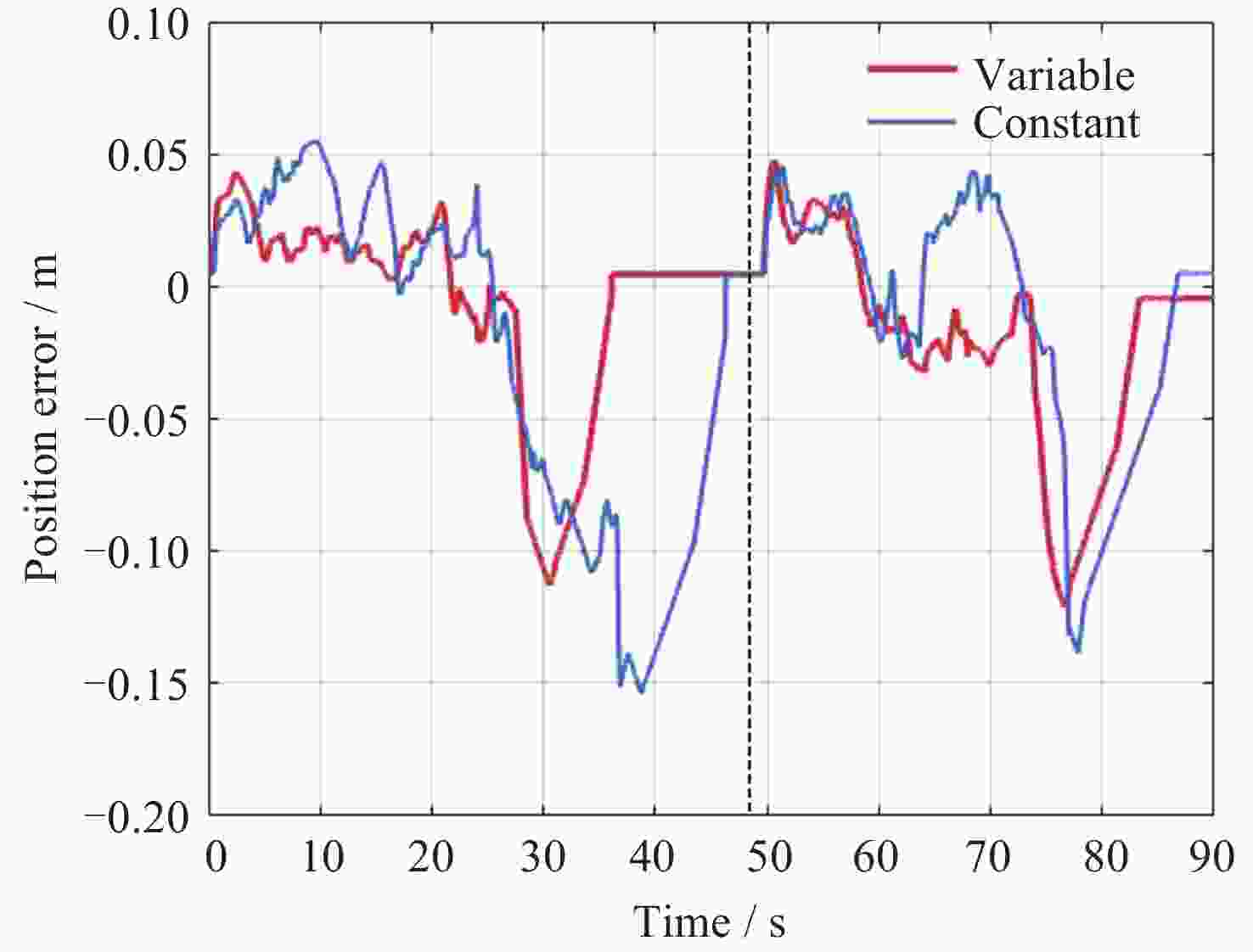
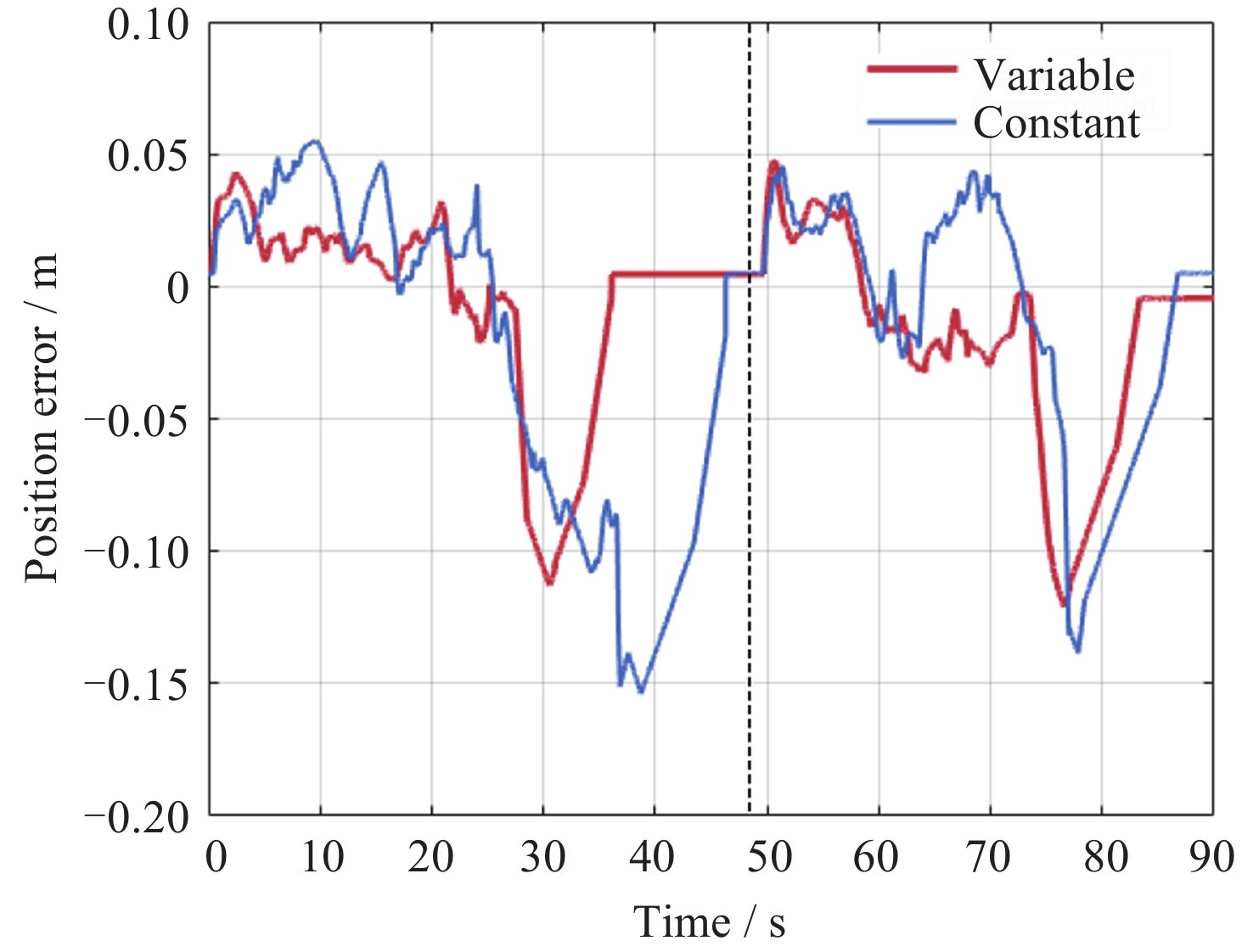
图 15 2 s时延不同阻抗策略下的位移跟踪误差
Figure 15. Displacement tracking error under different impedance strategies with 2 s delay
表 1 肌肉力学模型拟合参数辨识结果
Table 1. Identification results of muscle model fitting parameters
肌肉 $ \varphi ({\tilde{s}}_{i}) $ $ \eta ({l}_{i}) $ $ \omega ({l}_{i}) $ $ \beta $ $ \gamma $ $ a $ $ b $ $ c $ $ d $ 肱二头肌 0.7 80 6.8×10⁵ –20.5×10⁵ 20.6×10⁵ –6.9×10⁵ 肱桡肌 0.7 75 0.27×10⁵ –0.80×10⁵ 0.81×10⁵ –0.27×10⁵ 肱三头肌长头 0.8 180 –1.1×10⁵ 2.9×10⁵ –2.6×10⁵ 0.76×10⁵ 肱三头肌外侧头 0.7 365 0.67×10⁵ –2.1×10⁵ 2.2×10⁵ –0.74×10⁵  下载: 导出CSV
-
[1] 张育林, 刘红卫, 蒋超, 等. 地月空间发展的若干工程与技术问题[J]. 宇航学报, 2023, 44(4): 612-632 doi: 10.3873/j.issn.1000-1328.2023.04.015ZHANG Yulin, LIU Hongwei, JIANG Chao, et al. Several engineering and technical issues in the development of cislunar space[J]. Journal of Astronautics, 2023, 44(4): 612-632 doi: 10.3873/j.issn.1000-1328.2023.04.015 [2] PANZIRSCH M, SINGH H, WU X W, et al. Virtual elasto-plastic robot compliance to active environments[J]. Science Robotics, 2025, 10(99): eadq1703 doi: 10.1126/scirobotics.adq1703 [3] KEBRIA P M, ABDI H, DALVAND M M, et al. Control methods for internet-based teleoperation systems: a review[J]. IEEE Transactions on Human-Machine Systems, 2019, 49(1): 32-46 doi: 10.1109/THMS.2018.2878815 [4] KREBS H I, HOGAN N, AISEN M L, et al. Robot-aided neurorehabilitation[J]. IEEE Transactions on Rehabilitation Engineering, 1998, 6(1): 75-87 doi: 10.1109/86.662623 [5] YANG X, SHU L, CHEN J N, et al. A survey on smart agriculture: development modes, technologies, and security and privacy challenges[J]. IEEE/CAA Journal of Automatica Sinica, 2021, 8(2): 273-302 doi: 10.1109/JAS.2020.1003536 [6] ABU-DAKKA F J, SAVERIANO M. Variable impedance control and learning—a review[J]. Frontiers in Robotics and AI, 2020, 7: 590681 doi: 10.3389/frobt.2020.590681 [7] 李正义. 机器人与环境间力/位置控制技术研究与应用[D]. 武汉: 华中科技大学, 2011LI Zhengyi. Research and Application of Robot Force Position Control Methods for Robot-Environment Interaction[D]. Wuhan: Huazhong University of Science and Technology, 2011 [8] HADDADIN S, SHAHRIARI E. Unified force-impedance control[J]. The International Journal of Robotics Research, 2024, 43(3): 2112-2141 [9] CHAN S P, LIAW H C. Generalized impedance control of robot for assembly tasks requiring compliant manipulation[J]. IEEE Transactions on Industrial Electronics, 1996, 43(4): 453-461 doi: 10.1109/41.510636 [10] SONG H C, KIM Y L, LEE D H, et al. Electric connector assembly based on vision and impedance control using cable connector-feeding system[J]. Journal of Mechanical Science and Technology, 2017, 31(12): 5997-6003 doi: 10.1007/s12206-017-1144-7 [11] AJOUDANI A, TSAGARAKIS N G, BICCHI A. Tele-impedance: preliminary results on measuring and replicating human arm impedance in tele operated robots[C]//Proceedings of 2011 IEEE International Conference on Robotics and Biomimetics. Karon Beach, Thailand: IEEE, 2011: 216-222 [12] AJOUDANI A, TSAGARAKIS N G, BICCHI A. Tele-impedance: towards transferring human impedance regulation skills to robots[C]//Proceedings of 2012 IEEE International Conference on Robotics and Automation. Saint Paul, MN, USA: IEEE, 2012: 382-388 [13] AJOUDANI A, TSAGARAKIS N, BICCHI A. Tele-impedance: teleoperation with impedance regulation using a body–machine interface[J]. The International Journal of Robotics Research, 2012, 31(13): 1642-1656 doi: 10.1177/0278364912464668 [14] SU H, QI W, LI Z J, et al. Deep neural network approach in EMG-based force estimation for human–robot interaction[J]. IEEE Transactions on Artificial Intelligence, 2021, 2(5): 404-412 doi: 10.1109/TAI.2021.3066565 [15] HAN L J, CHENG L, ZOU Y X, et al. Physics-informed deep transfer learning for sEMG-based multiple joint angle and torque estimation[J]. IEEE Transactions on Instrumentation and Measurement, 2025, 74: 2531213 doi: 10.1109/tim.2025.3572159 [16] ZOU Y X, CHENG L, LI Z W. A multimodal fusion model for estimating human hand force: comparing surface electromyography and ultrasound signals[J]. IEEE Robotics & Automation Magazine, 2022, 29(4): 10-24 doi: 10.1109/MRA.2022.3177486 [17] 于登云, 葛之江, 王乃东, 等. 月球基地结构形式设想[J]. 宇航学报, 2012, 33(12): 1840-1844YU Dengyun, GE Zhijiang, WANG Naidong, et al. Supposal for structure form of lunar base[J]. Journal of Astronautics, 2012, 33(12): 1840-1844 [18] HOGAN N. Impedance control: an approach to manipulation[C]//Proceedings of 1984 American Control Conference. San Diego, CA, USA: IEEE, 1984: 304-313 [19] FLASH T, HOGAN N. The coordination of arm movements: an experimentally confirmed mathematical model[J]. Journal of Neuroscience, 1985, 5(7): 1688-1703 doi: 10.1523/jneurosci.05-07-01688.1985 [20] HILL A V. The heat of shortening and the dynamic constants of muscle[J]. Proceedings of the Royal Society B: Biological Sciences, 1938, 126(843): 136-195 doi: 10.1098/rspb.1938.0050 [21] HOUK J C. A Mathematical Model of the Stretch Reflex in Human Muscle Systems[D]. Cambridge: Massachusetts Institute of Technology, 1963 [22] MARTINS J A C, PIRES E B, SALVADO R, et al. A numerical model of passive and active behavior of skeletal muscles[J]. Computer Methods in Applied Mechanics and Engineering, 1998, 151(3/4): 419-433 doi: 10.1016/s0045-7825(97)00162-x [23] BENNETT D J, HOLLERBACH J M, XU Y, et al. Time-varying stiffness of human elbow joint during cyclic voluntary movement[J]. Experimental Brain Research, 1992, 88(2): 433-442 doi: 10.1007/BF02259118 [24] LACQUANITI F, CARROZZO M, BORGHESE N A. Time-varying mechanical behavior of multijointed arm in man[J]. Journal of Neurophysiology, 1993, 69(5): 1443-1464 doi: 10.1152/jn.1993.69.5.1443 [25] GOMI H, KAWATO M. Human arm stiffness and equilibrium-point trajectory during multi-joint movement[J]. Biological Cybernetics, 1997, 76(3): 163-171 doi: 10.1007/s004220050329 [26] BURDET E, OSU R, FRANKLIN D W, et al. A method for measuring endpoint stiffness during multi-joint arm movements[J]. Journal of Biomechanics, 2000, 33(12): 1705-1709 doi: 10.1016/S0021-9290(00)00142-1 [27] FRANKLIN D W, BURDET E, OSU R, et al. Functional significance of stiffness in adaptation of multijoint arm movements to stable and unstable dynamics[J]. Experimental Brain Research, 2003, 151(2): 145-157 doi: 10.1007/s00221-003-1443-3 [28] 李凡奇. 基于sEMG的人体手臂刚度估计的阻抗控制研究[D]. 苏州: 苏州大学, 2020LI Fanqi. Research on sEMG-based Estimation of Arm Stiffness Impedance Control[D]. Suzhou: Soochow University, 2020 [29] 王晨亮. 基于sEMG的人体臂手刚度预测及仿人手变阻抗控制研究[D]. 哈尔滨: 哈尔滨工业大学, 2018WANG Chenliang. Research on sEMG-based Prediction of Arm and Hand Stiffness and Humanoid Hand Variable Impedance Control[D]. Harbin: Harbin Institute of Technology, 2018 [30] FREIVALDS A. Biomechanics of the Upper Limbs: Mechanics, Modeling and Musculoskeletal Injuries[M]. 2nd ed. Boca Raton: CRC Press, 2011 [31] VEEGER H E J, YU B, AN K N, et al. Parameters for modeling the upper extremity[J]. Journal of Biomechanics, 1997, 30(6): 647-652 doi: 10.1016/S0021-9290(97)00011-0 [32] GRAY H. Anatomy of the Human Body[M]. 21st ed. Philadelphia: Lea & Febiger, 1924 [33] MIZRAHI J. Mechanical impedance and its relations to motor control, limb dynamics, and motion biomechanics[J]. Journal of Medical and Biological Engineering, 2015, 35(1): 1-20 doi: 10.1007/s40846-015-0016-9 [34] DISSELHORST-KLUG C, SCHMITZ-RODE T, RAU G. Surface electromyography and muscle force: limits in sEMG–force relationship and new approaches for applications[J]. Clinical Biomechanics, 2009, 24(3): 225-235 doi: 10.1016/j.clinbiomech.2008.08.003 [35] STAUDENMANN D, ROELEVELD K, STEGEMAN D F, et al. Methodological aspects of SEMG recordings for force estimation – a tutorial and review[J]. Journal of Electromyography and Kinesiology, 2010, 20(3): 375-387 doi: 10.1016/j.jelekin.2009.08.005 [36] WINTERS T M, TAKAHASHI M, LIEBER R L, et al. Whole muscle length-tension relationships are accurately modeled as scaled sarcomeres in rabbit hindlimb muscles[J]. Journal of Biomechanics, 2011, 44(1): 109-115 doi: 10.1016/j.jbiomech.2010.08.033 [37] HERZOG W. The role of titin in eccentric muscle contraction[J]. The Journal of Experimental Biology, 2014, 217(16): 2825-2833 doi: 10.1242/jeb.099127 [38] ROWEN D A, LIKENS A D, STERGIOU N. Revisiting a Classic: Muscles, Reflexes, and Locomotion by McMahon[M]//STERGIOU N. Biomechanics and Gait Analysis. London: Academic Press, 2020: 149-224 [39] FUNG Y C. Biomechanics: Mechanical Properties of Living Tissues[M]. New York, NY: Springer, 1993 -
-

 下载:
下载:

计量
- 文章访问数: 1749
- HTML全文浏览量: 697
- PDF下载量: 112
-
被引次数:
0(来源:Crossref)
0(来源:其他)

