


Progress in Space Science and Utilization on the China Space Station in 2024–2026
doi: 10.11728/cjss2026.04.2026-yg05 cstr: 32142.14.cjss.2026-yg05
-
Abstract: The China Space Station was assembled by the end of 2022, comprising three modules equipped with intravehicular science experiment racks and extravehicular exposed facilities. Operating for over three years, the station has implemented more than 170 science and utilization projects. A series of original, cutting-edge achievements has been attained in space life sciences and biotechnology, space materials science, microgravity fluid and thermal physics, microgravity combustion science, microgravity fundamental physics, and space innovative technology demonstration. This paper introduces the general progress of in-orbit science and utilization, along with typical scientific discoveries—such as the mammal on-orbit feeding experiment, growth of InSe semiconductor crystals, fabrication of high-performance field-effect transistors on ground, and observation of a metastable Body-Centered Cubic (BCC) phase in the crystallization of charged colloids. Planned science and utilization projects will be executed progressively and systematically. Furthermore, applications and transformations of these findings will be further promoted.
-
Key words:
- China Space Station (CSS) /
- Microgravity /
- Space science /
- Space utilization /
- On-orbit experiment
-
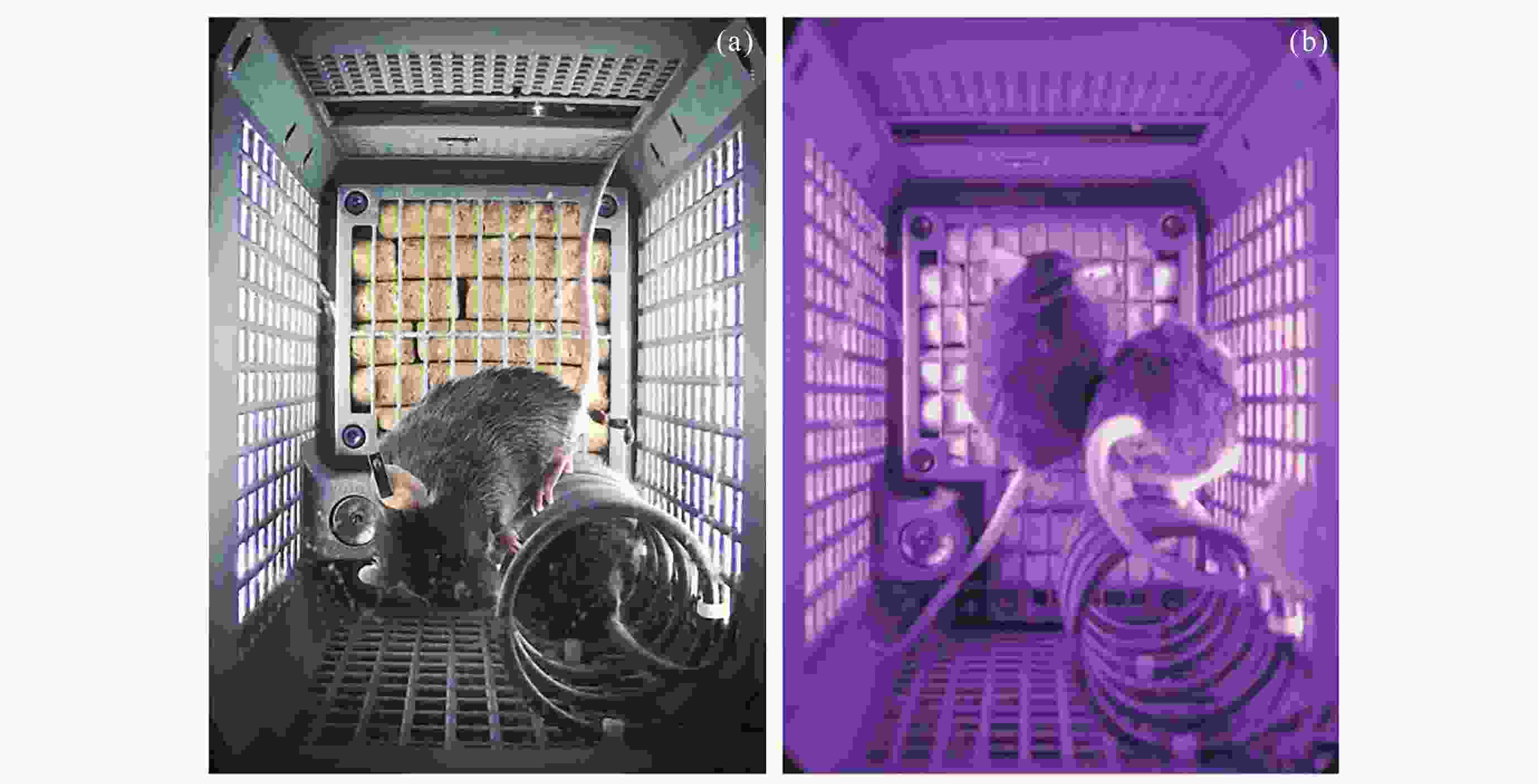
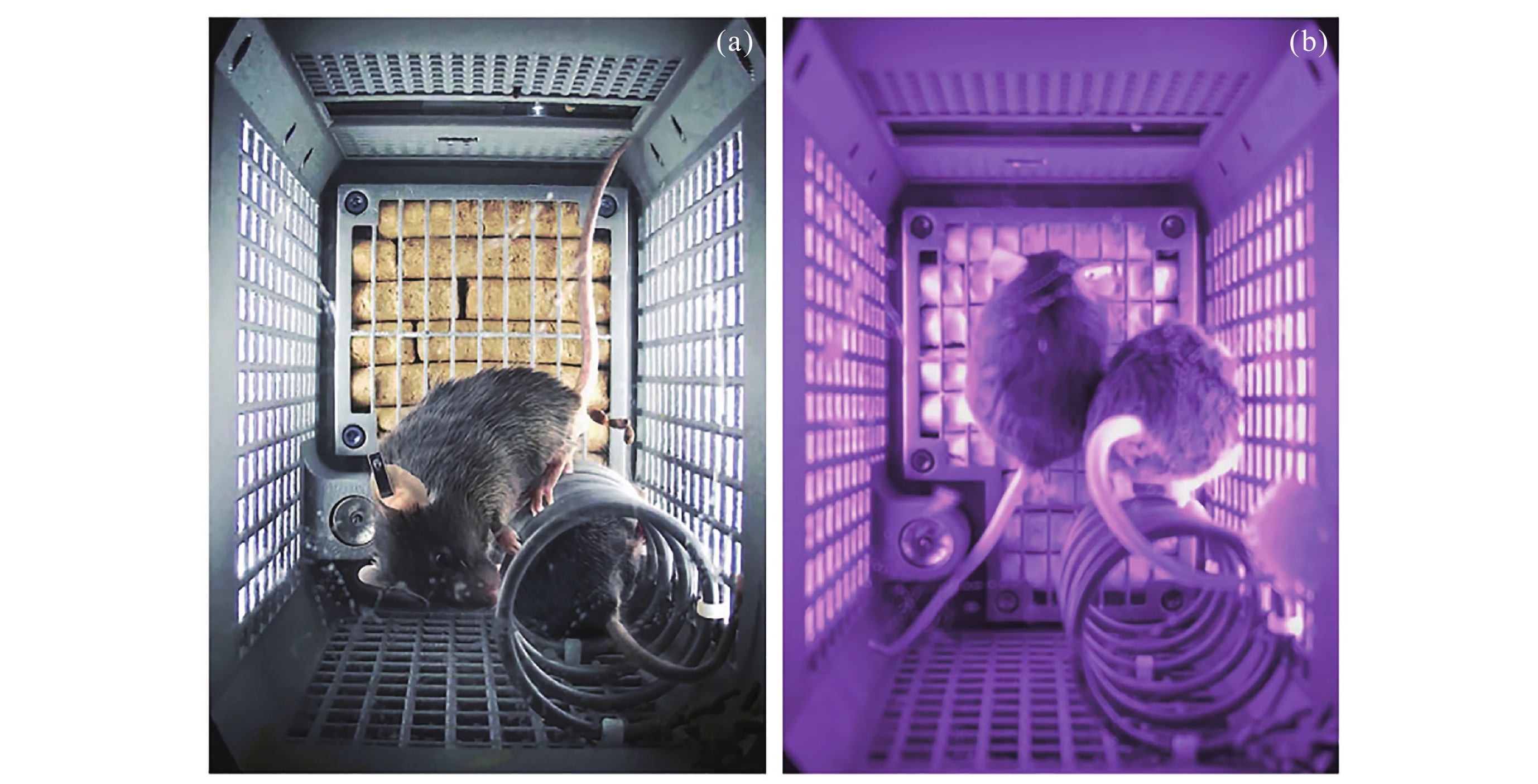
Figure 1. In-orbit experiment photo of mice[10]. (a) Daytime working lighting, (b) night infrared lighting
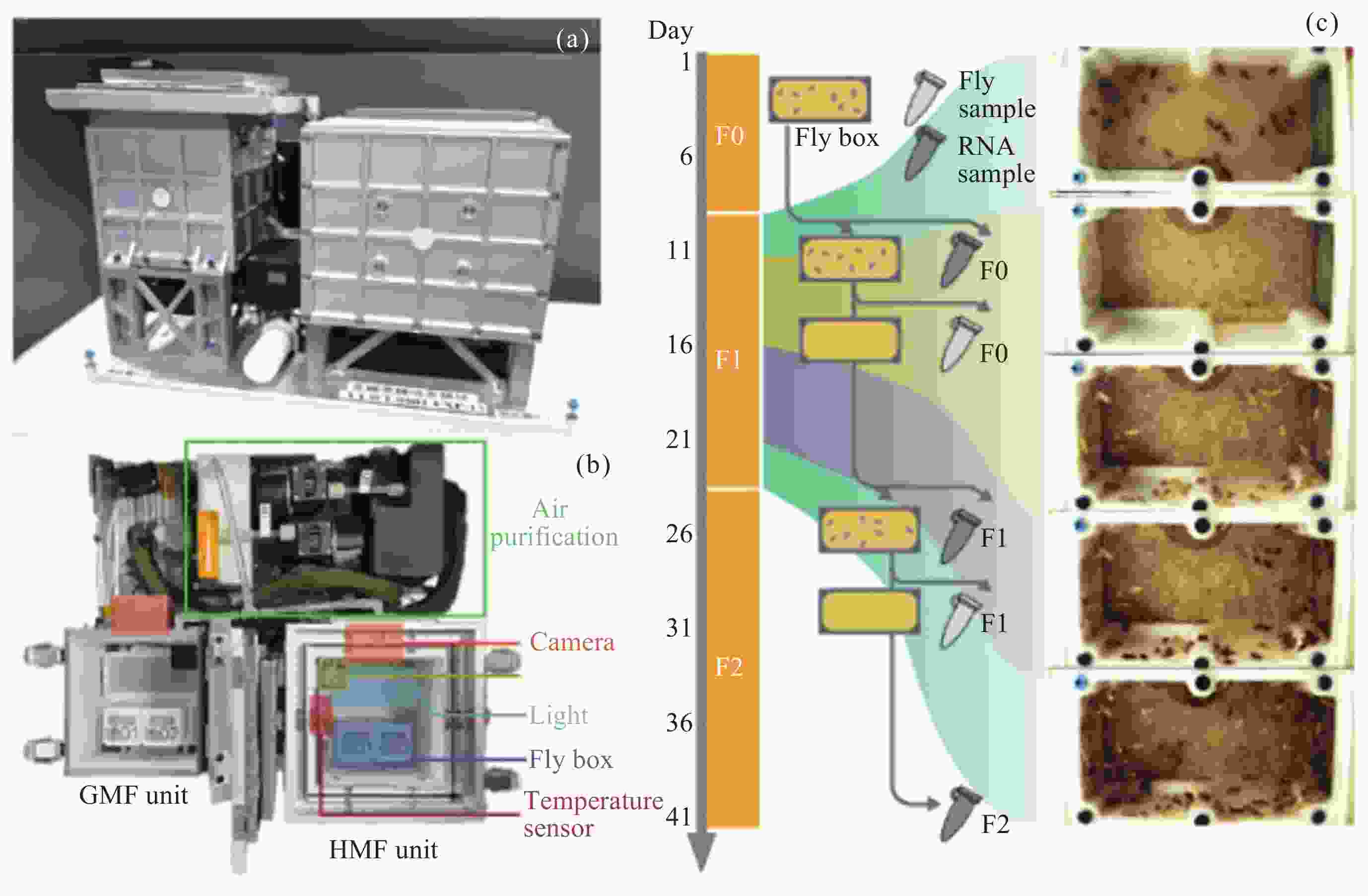
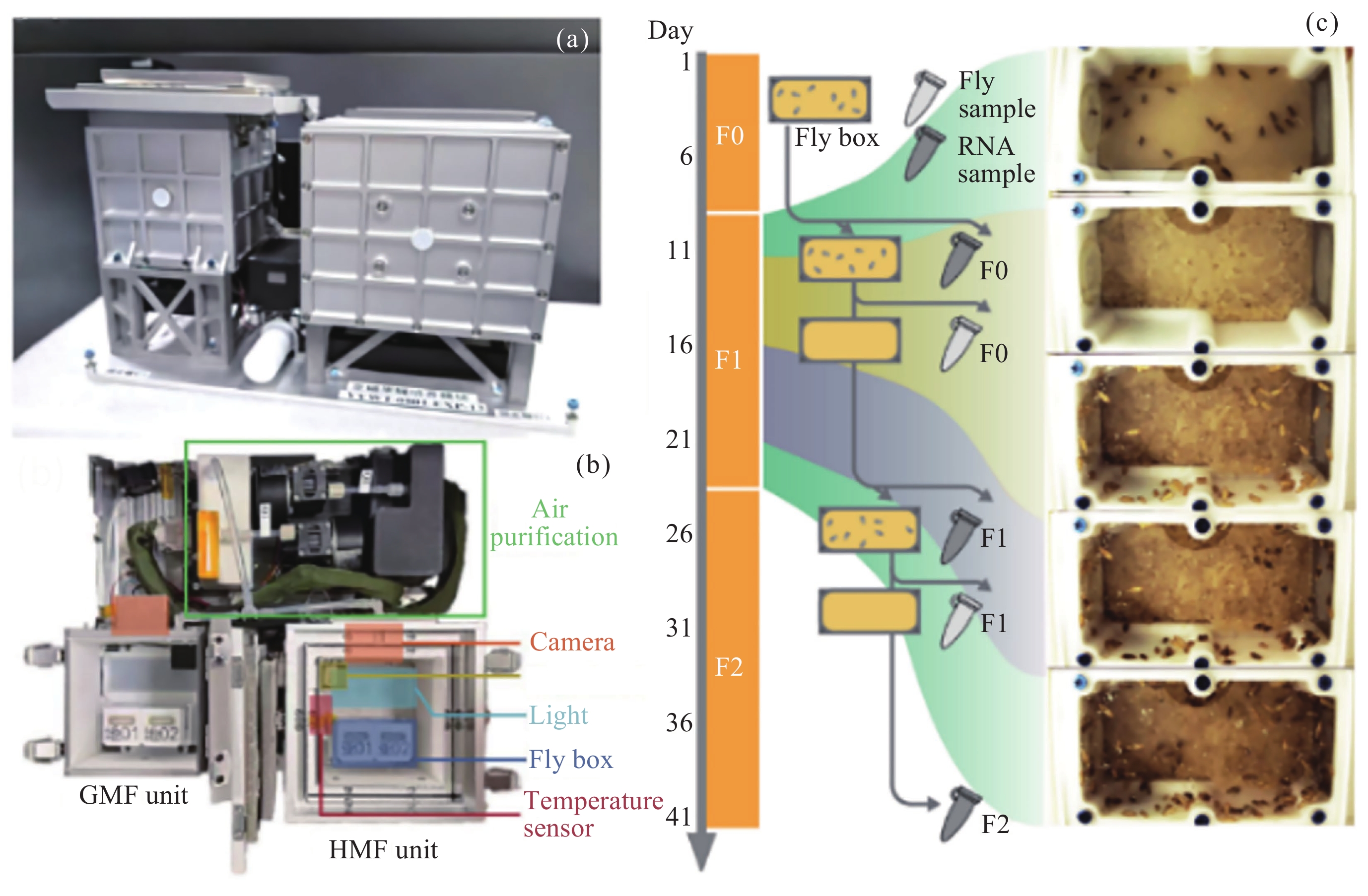
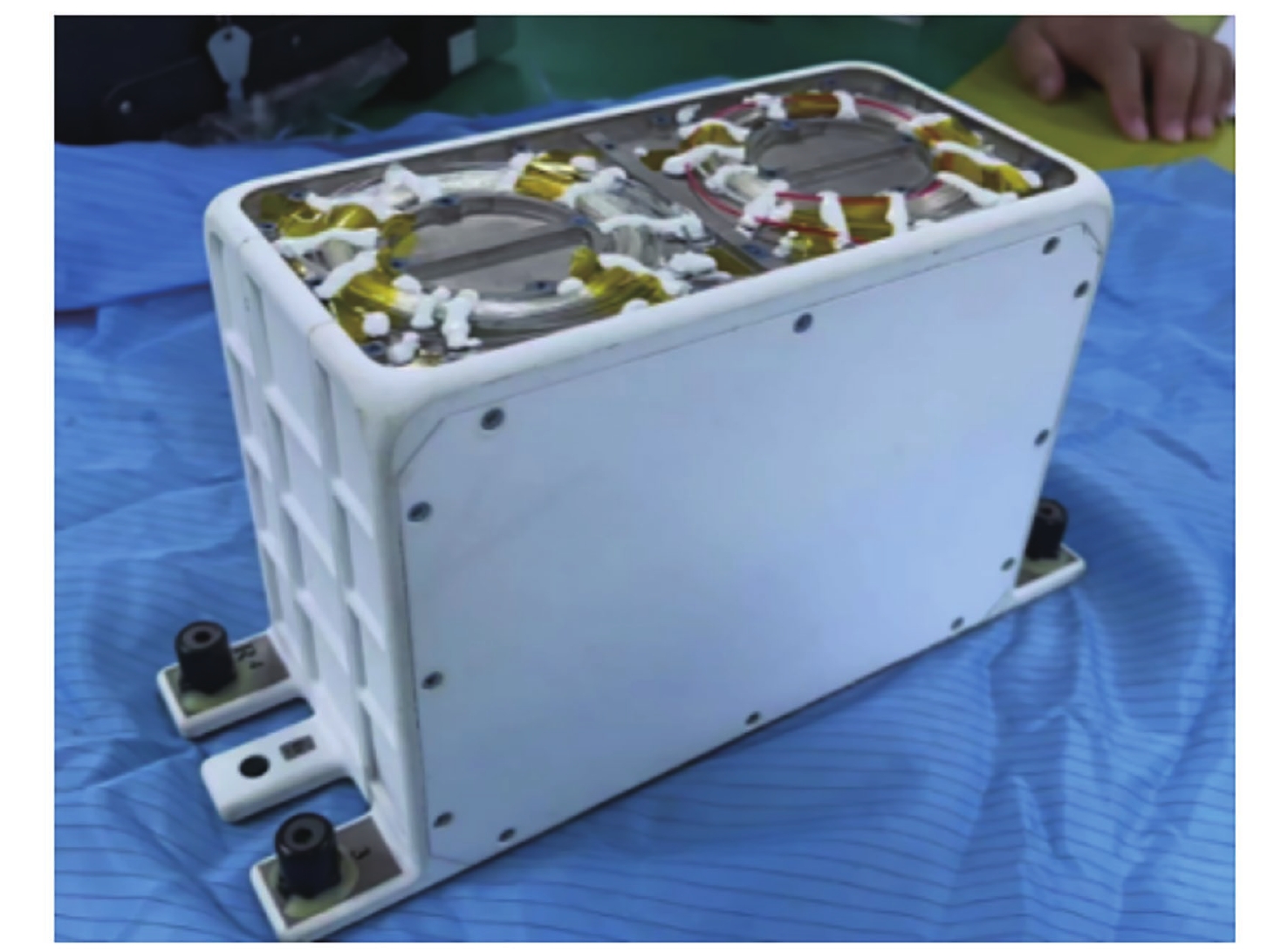
Figure 2. Drosophila research module and procedures for multi-generational cultivation under combined microgravity and hypomagnetic conditions. (a) External appearance of the custom-designed module used aboard the CSS. (b) Internal configuration of the module, showing the GMF and HMF units. (c) Schematic timeline of the three-generation cultivation, concurrent on-orbit and ground-based sampling, and video acquisition
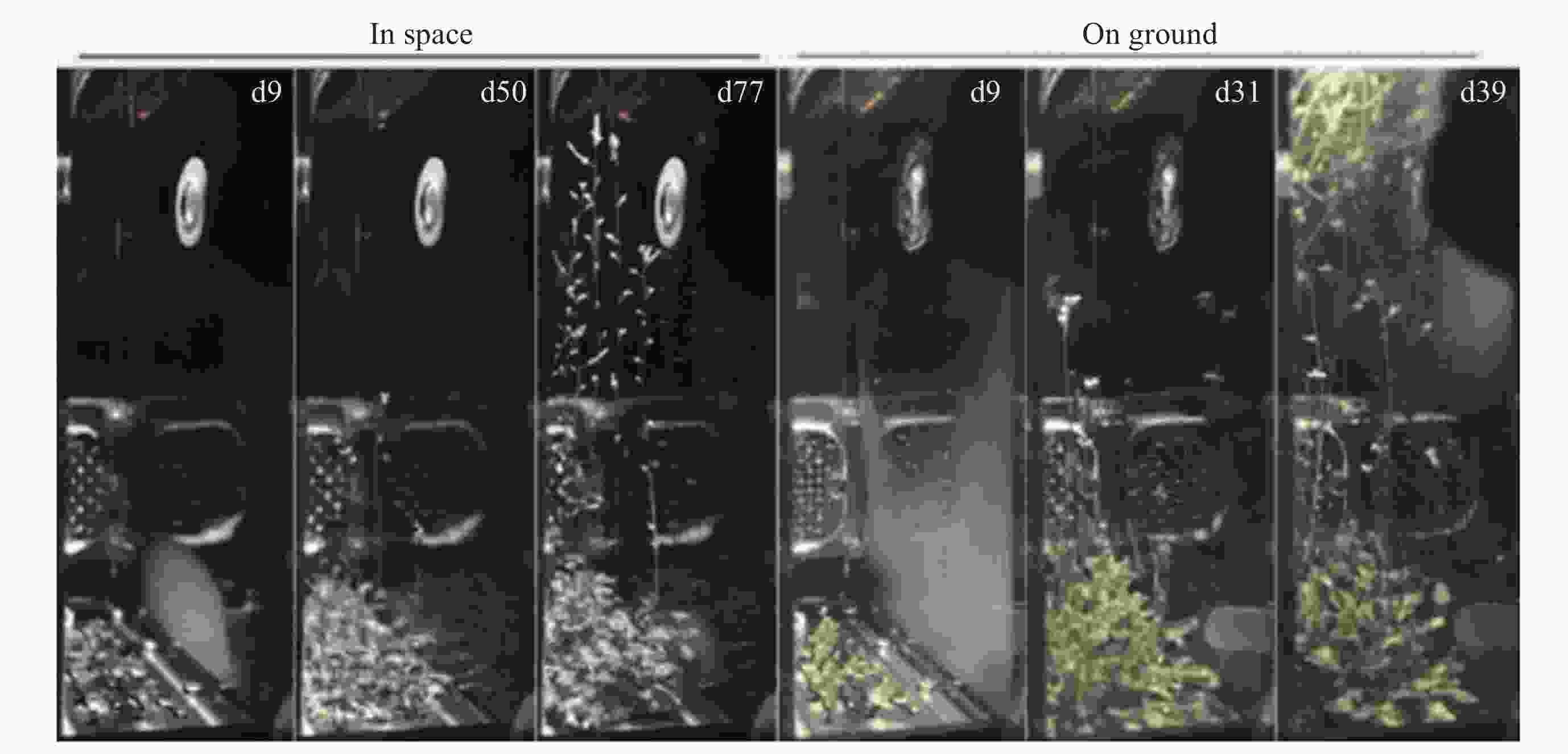
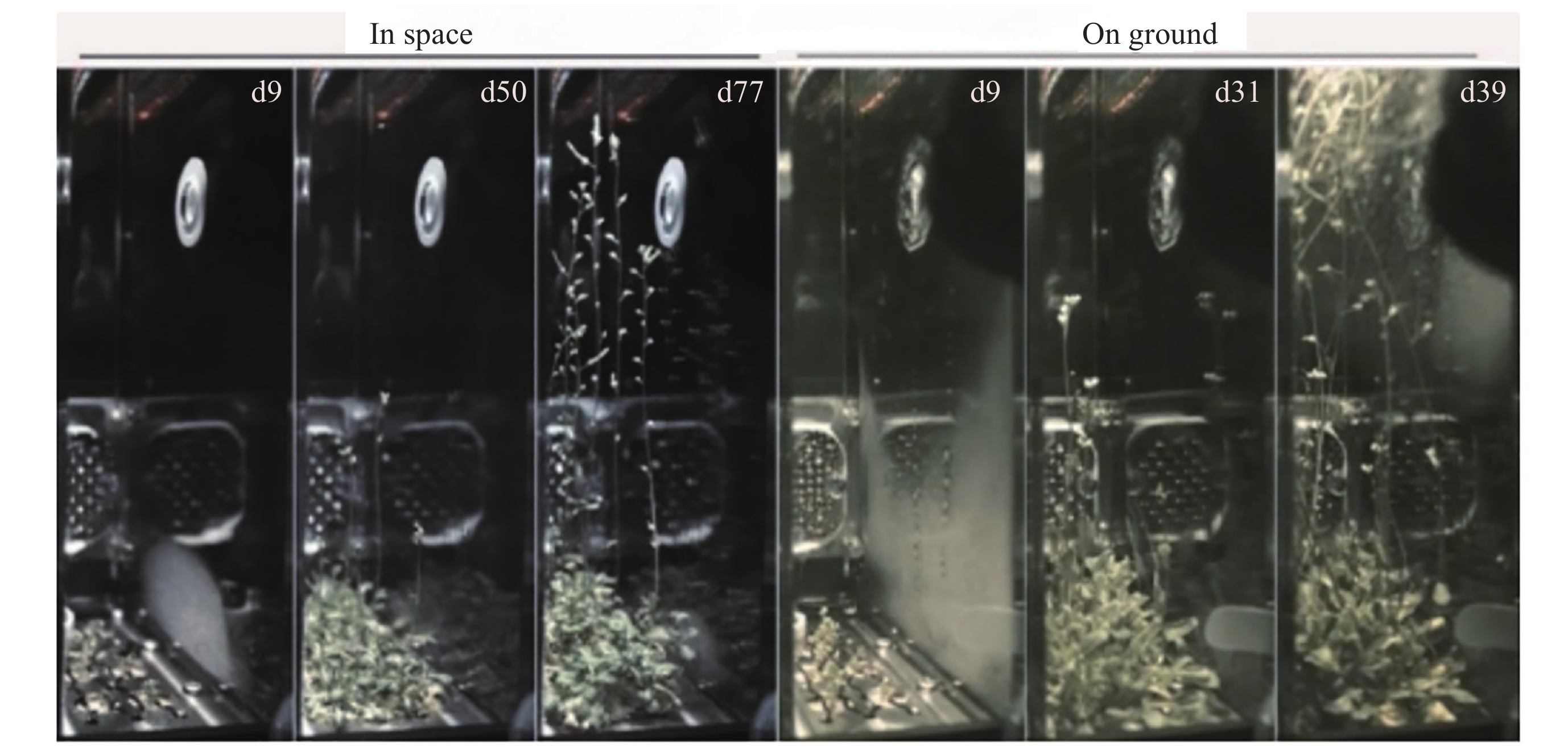
Figure 3. Time-course series of digital images showing the growth and development of Arabidopsis plants grown in space and on ground
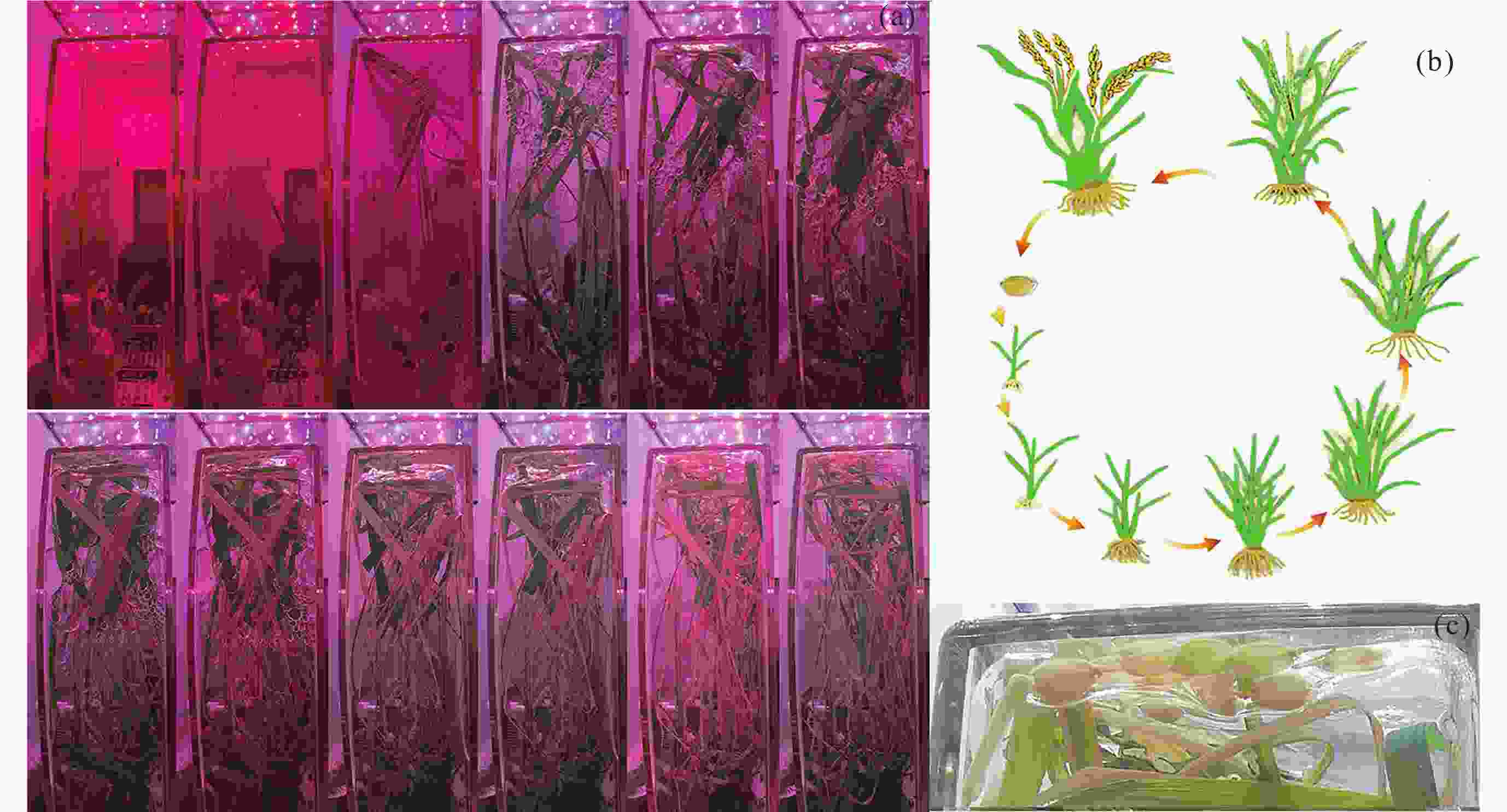
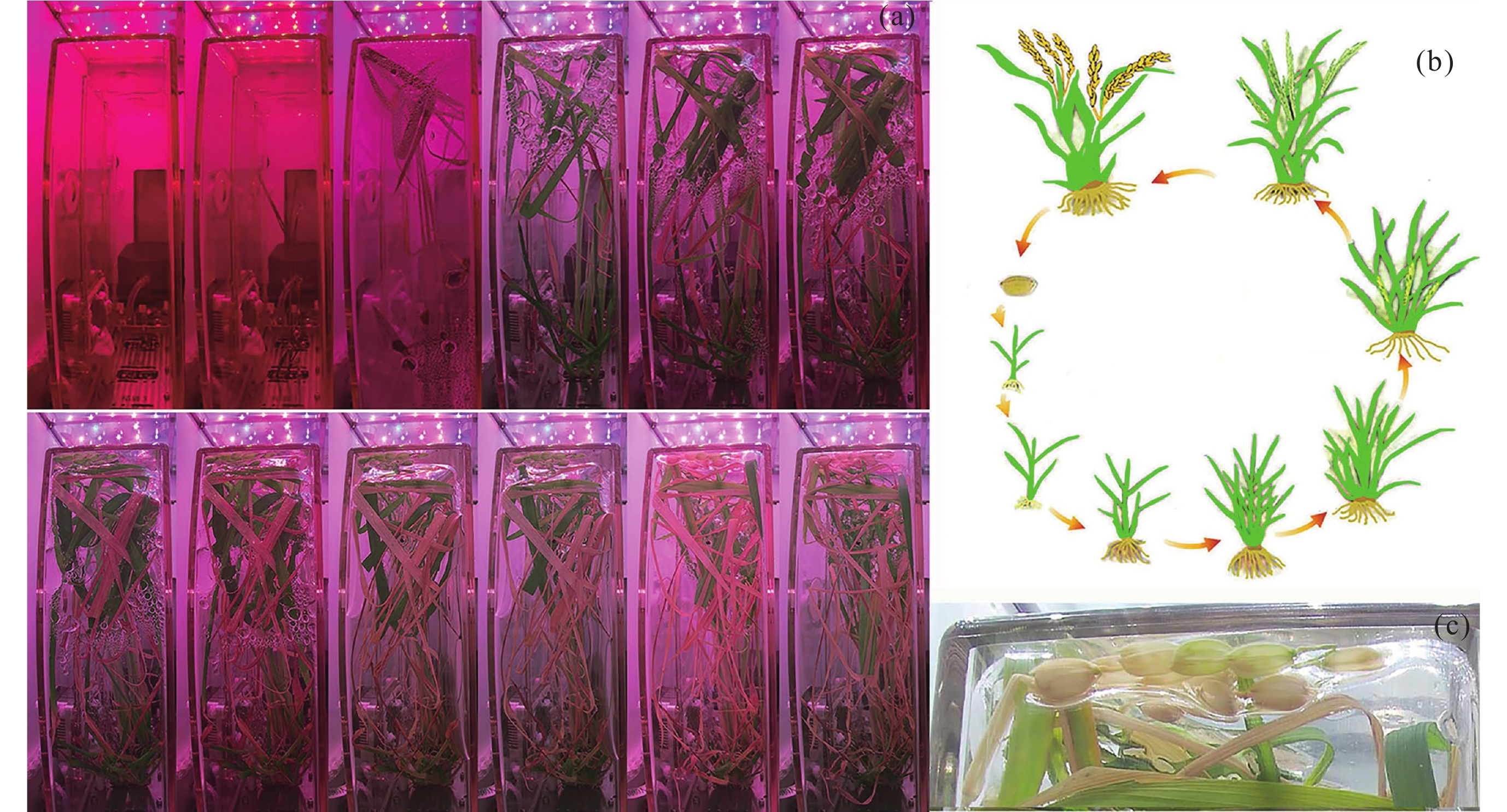
Figure 4. Time-course series of digital images showing the growth and development of rice plants grown aboard the CSS. (a) Time-course series of digital images showing the growth and development of rice plants grown in space, (b) diagram showing transition time of developmental stages of rice in space, (c) enlarged spike images of rice plants grown in space
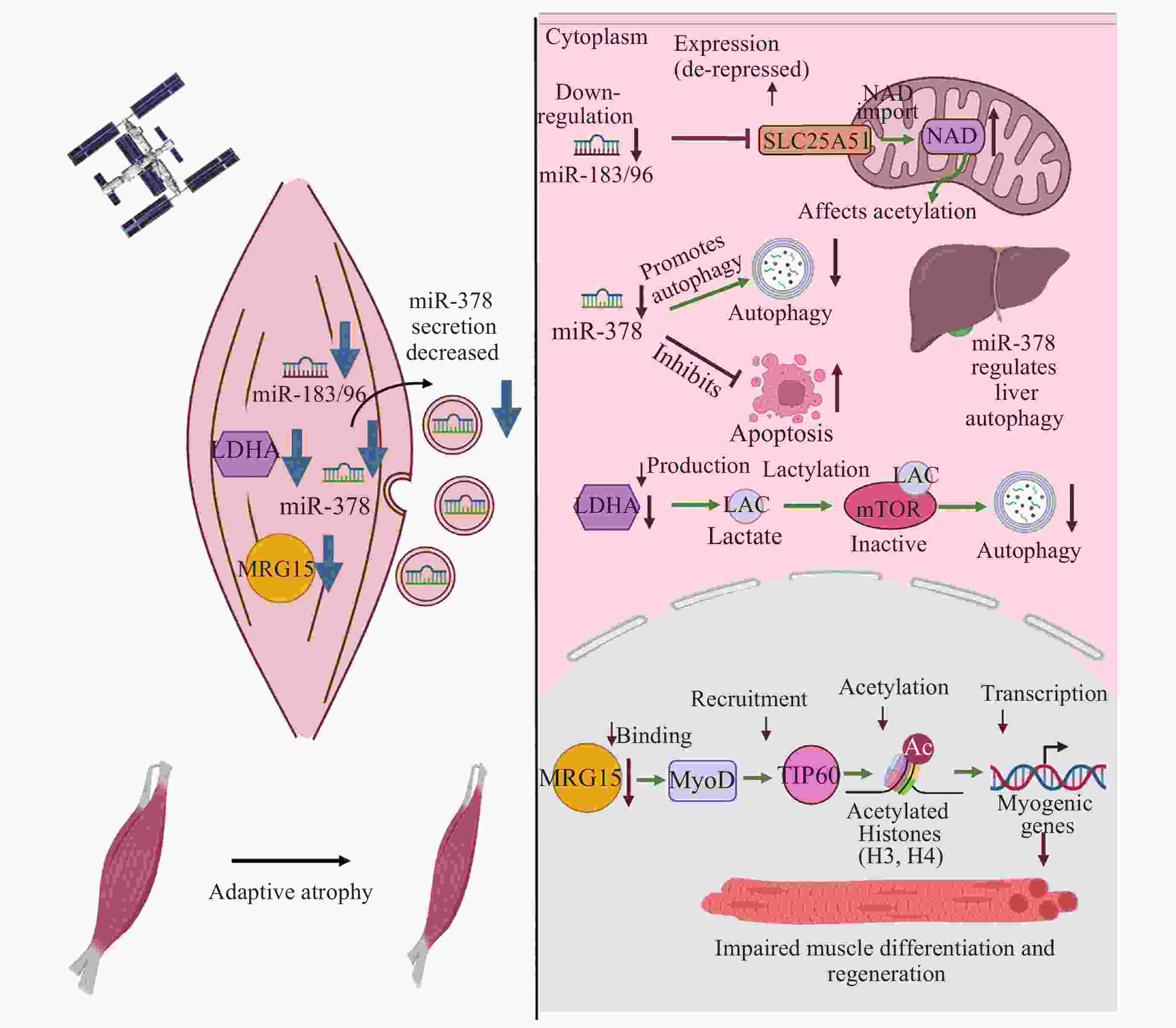
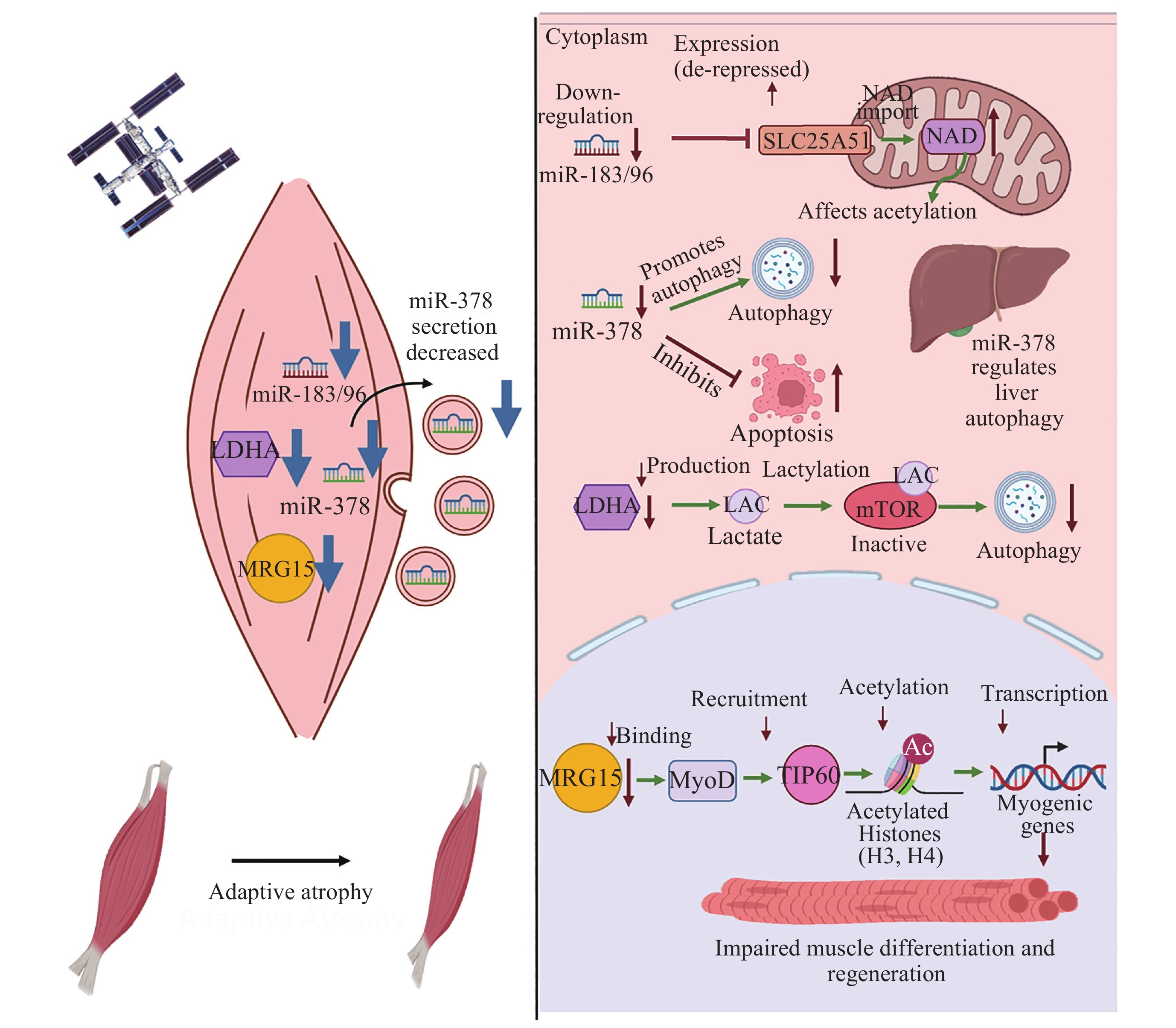
Figure 6. Summary model diagram of the mechanism of action of dysregulated molecules in skeletal muscle cells during space flight
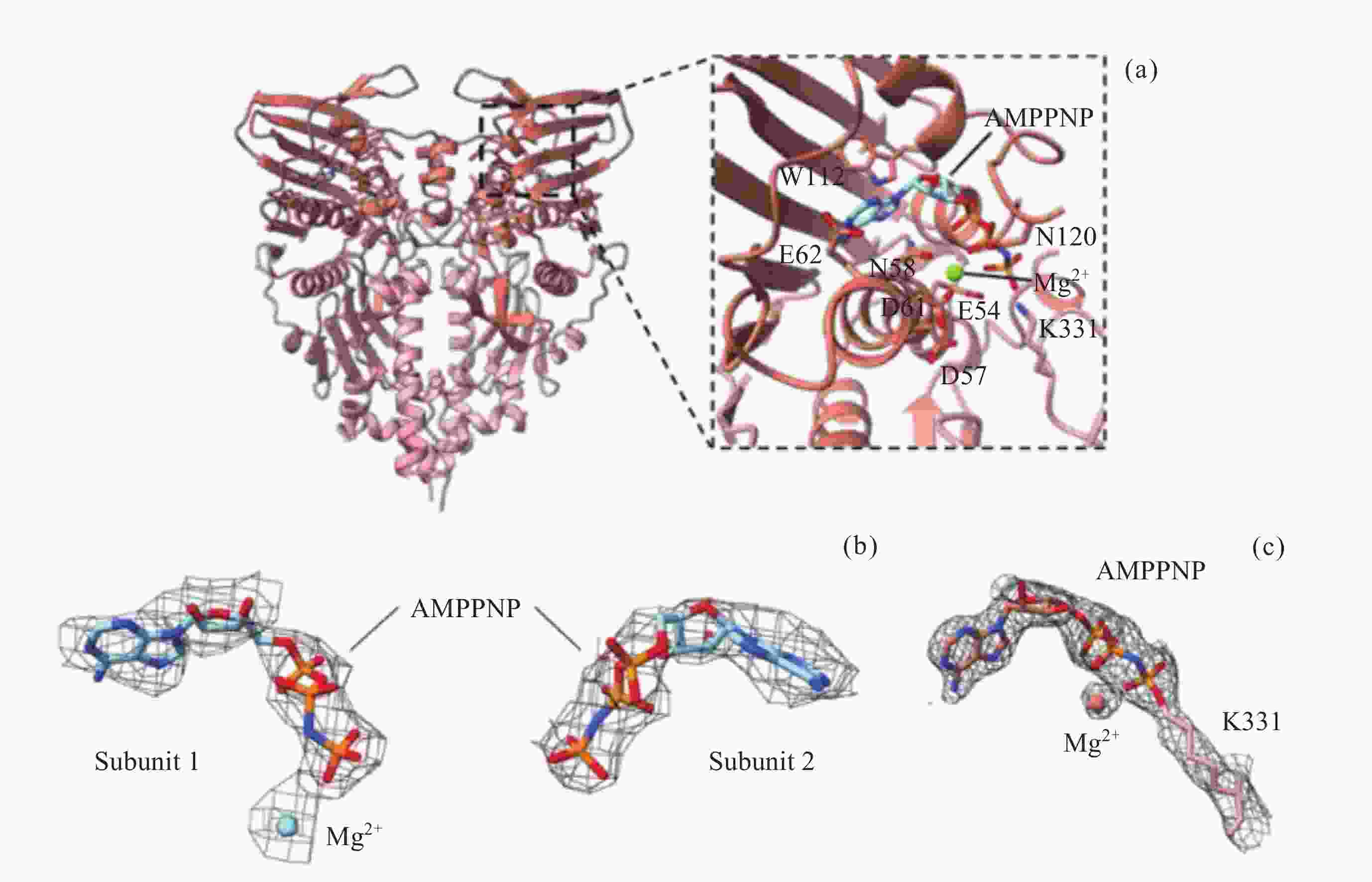
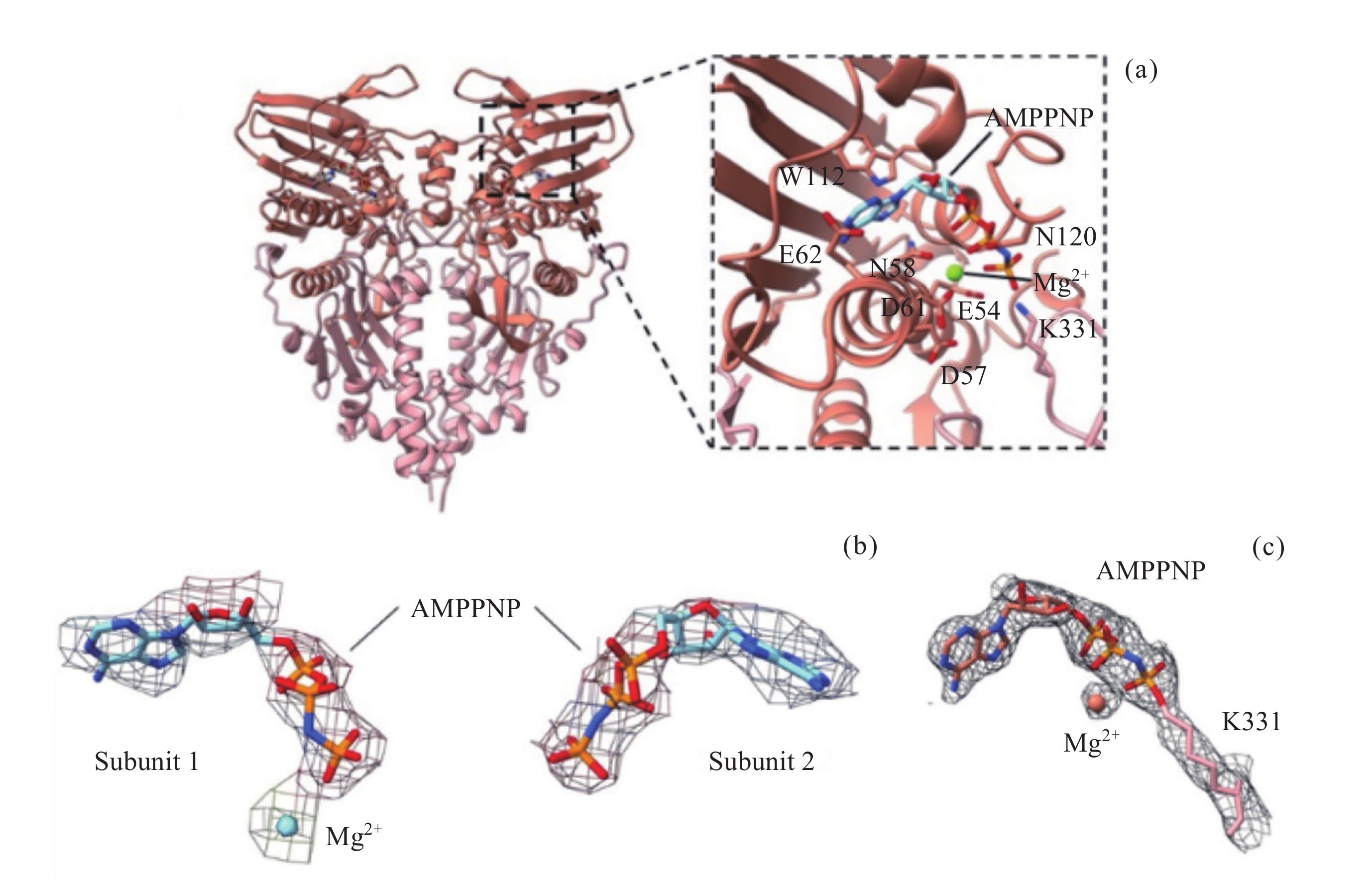
Figure 7. Protein samples returned from on-orbit test [10,30]. (a) Overall structure of the T6 Topo II ATPase domain crystal and a local view of the active center. (b) The local density of magnesium ions and AMPPNP in the two active centers of the cryo-EM. (c) The local density of magnesium ions and AMPPNP in the active center of the crystal structure
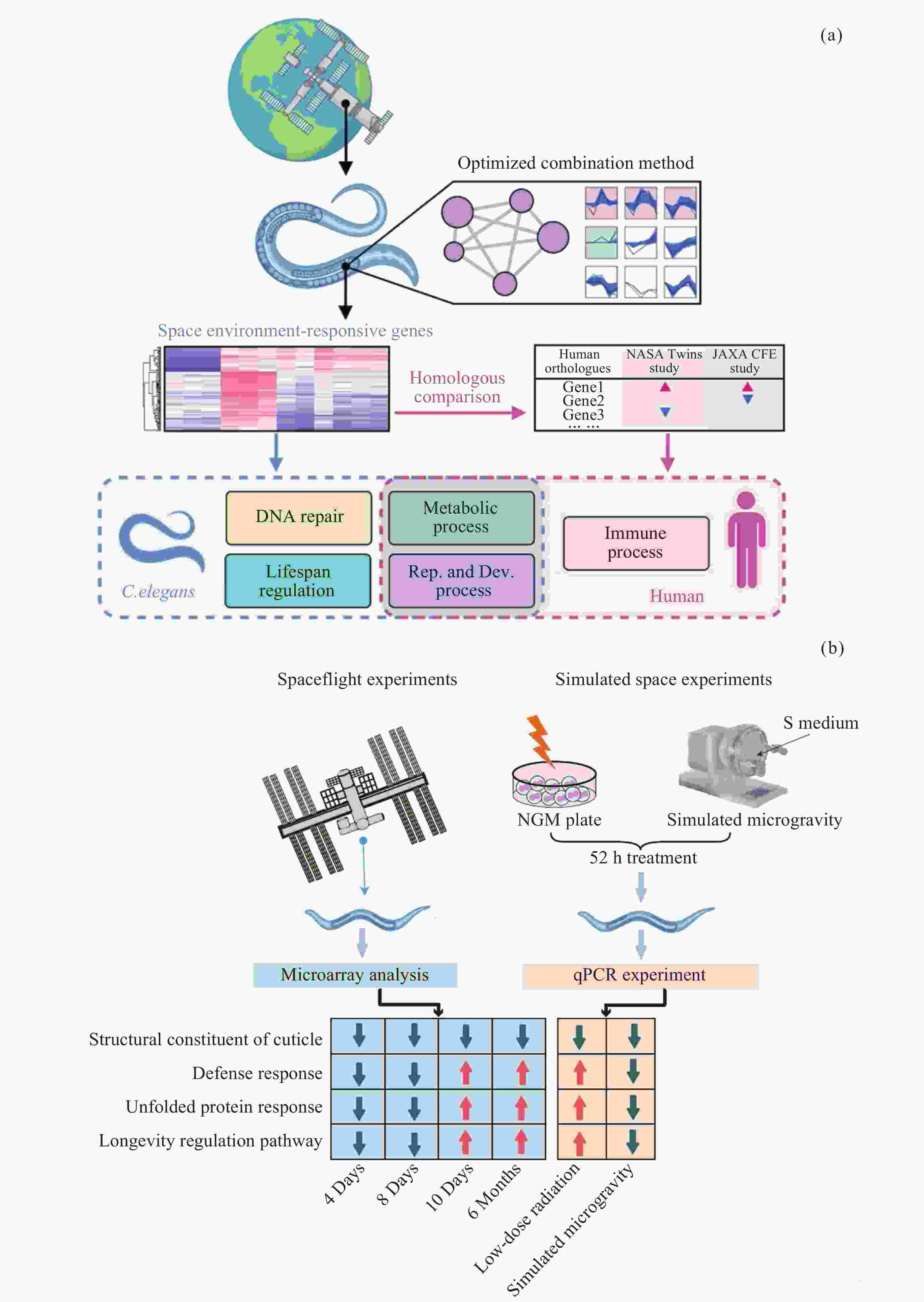
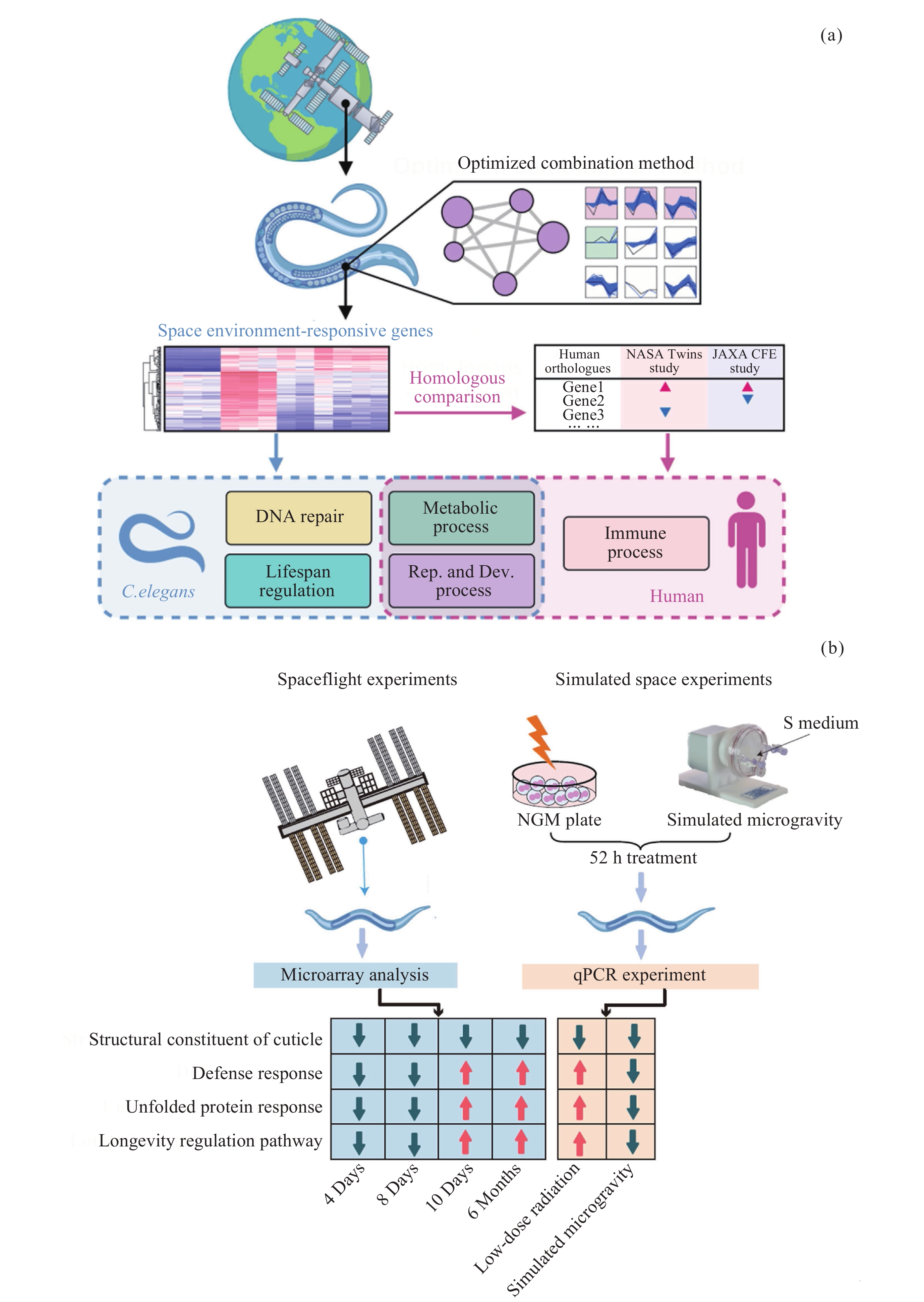
Figure 9. Integrated spaceflight multi-omics profiling identifies novel spaceflight-responsive genes and their biological functions in C. elegans. (a) Comparison with astronaut peripheral blood transcriptomic data[10,33]. (b) Validation using ground-based low-dose ionizing radiation and simulated microgravity datasets[10,34]
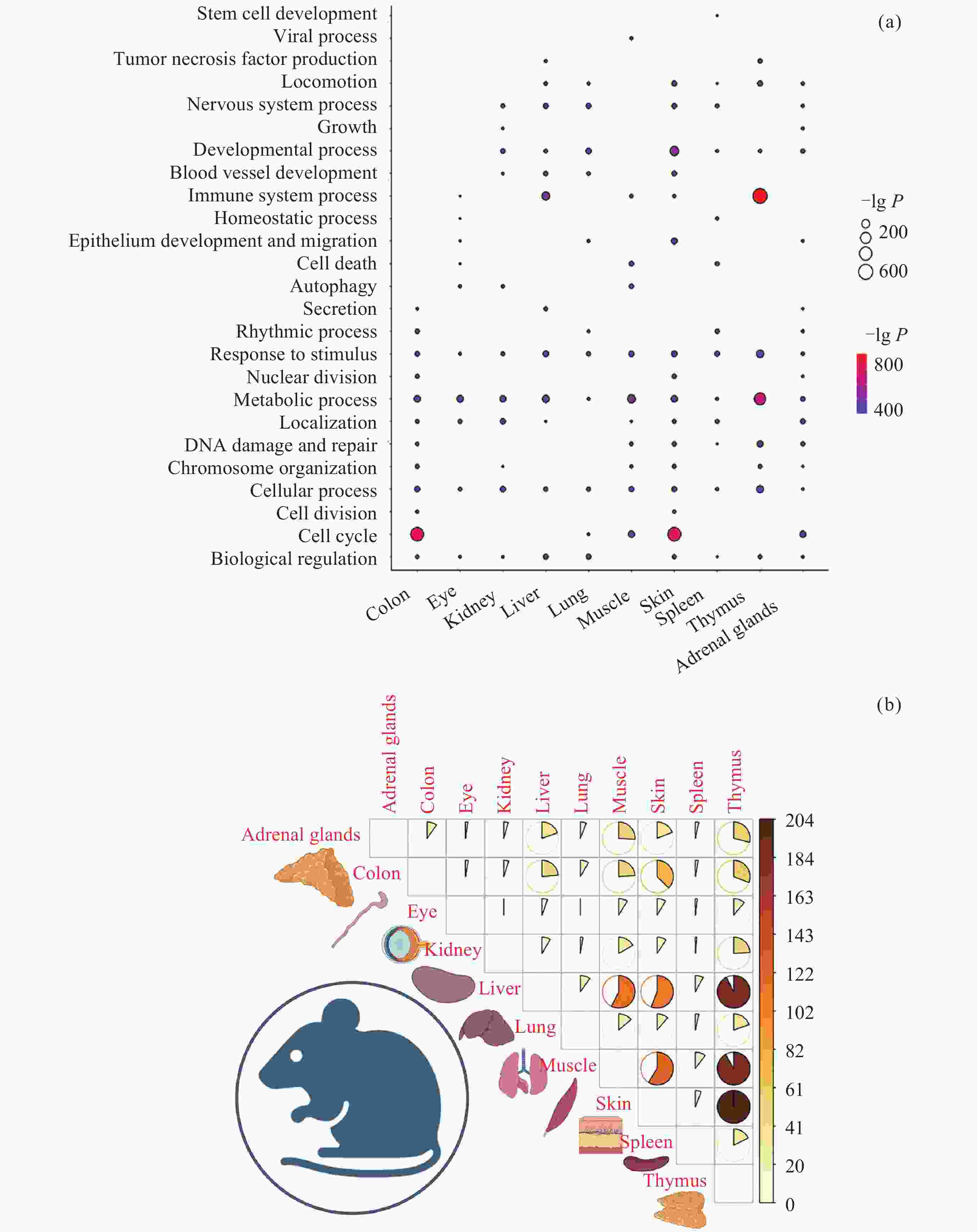
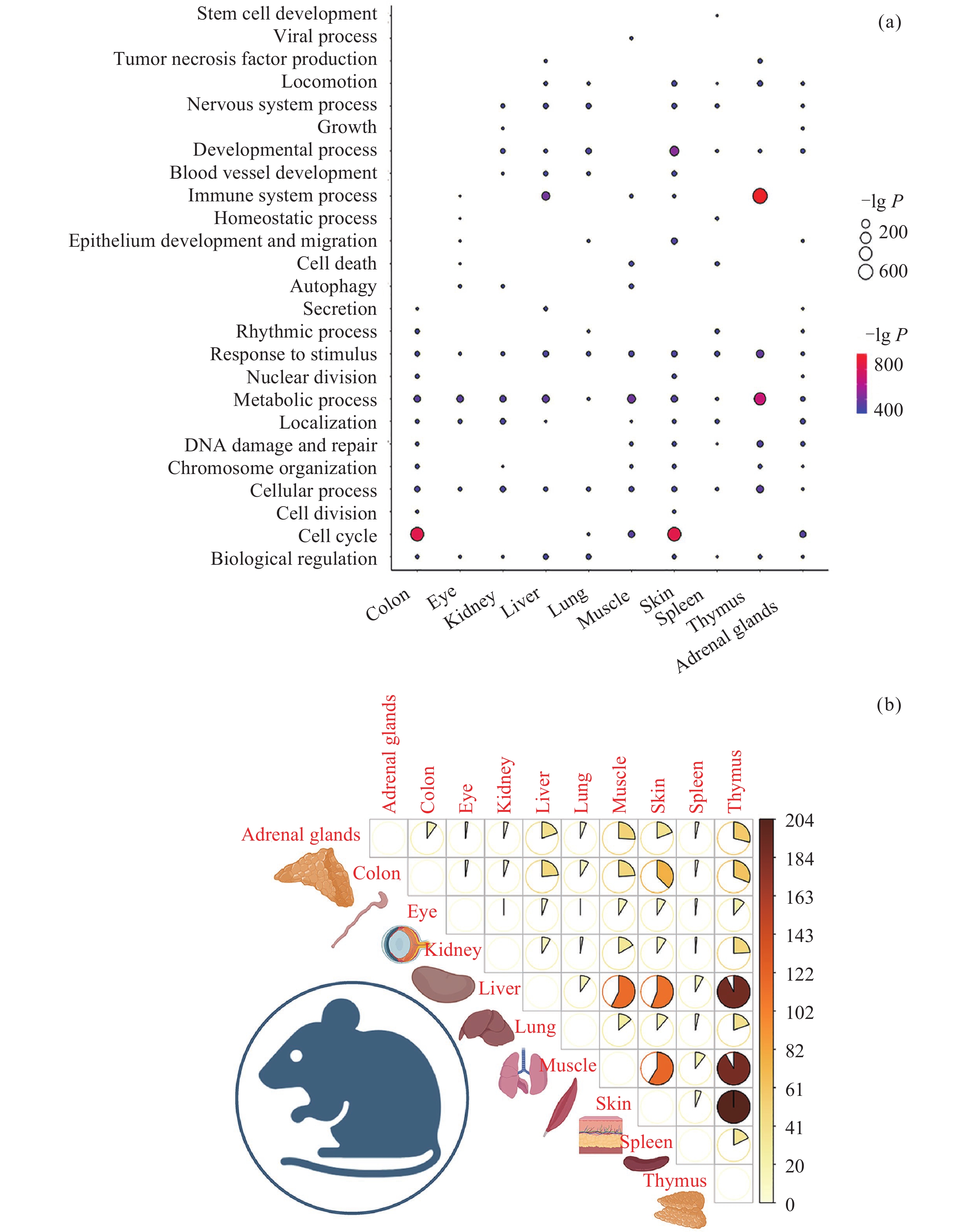
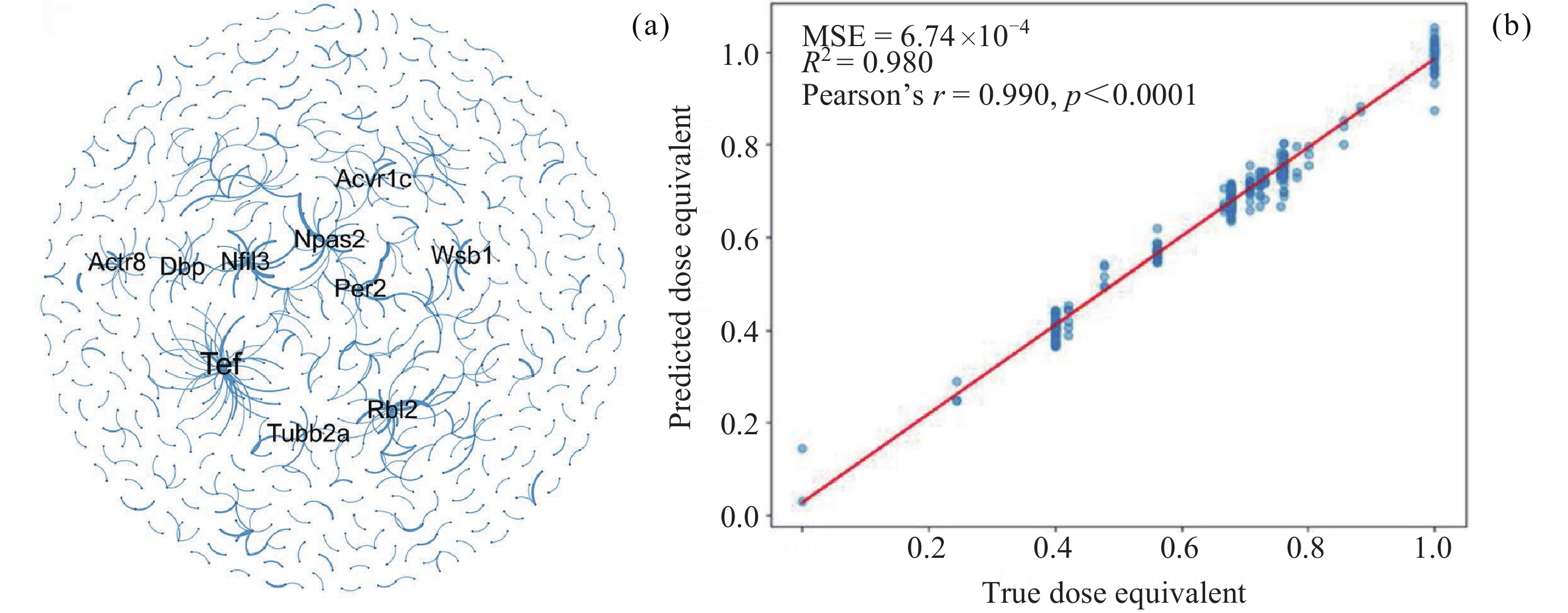
Figure 10. Differentially Interacting Genes (DIGs) and their functions in different tissues of mouse under the space environment[10,35]. (a) The intersection of DIGs in ten tissues. The size and color of the fans represent the number of overlapping DIGs in the two tissues. (b) GO enrichment result for DIGs in ten tissues
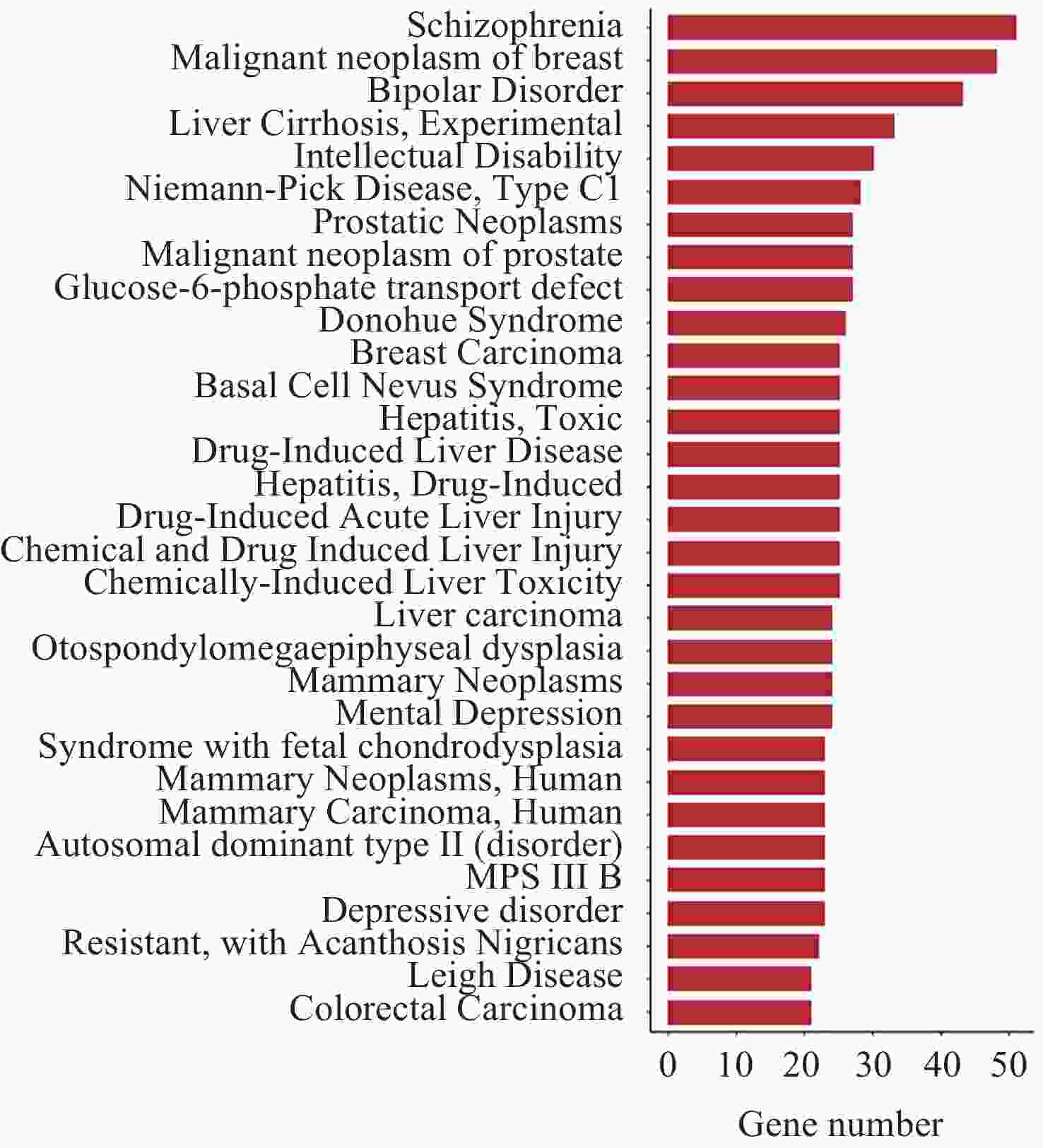
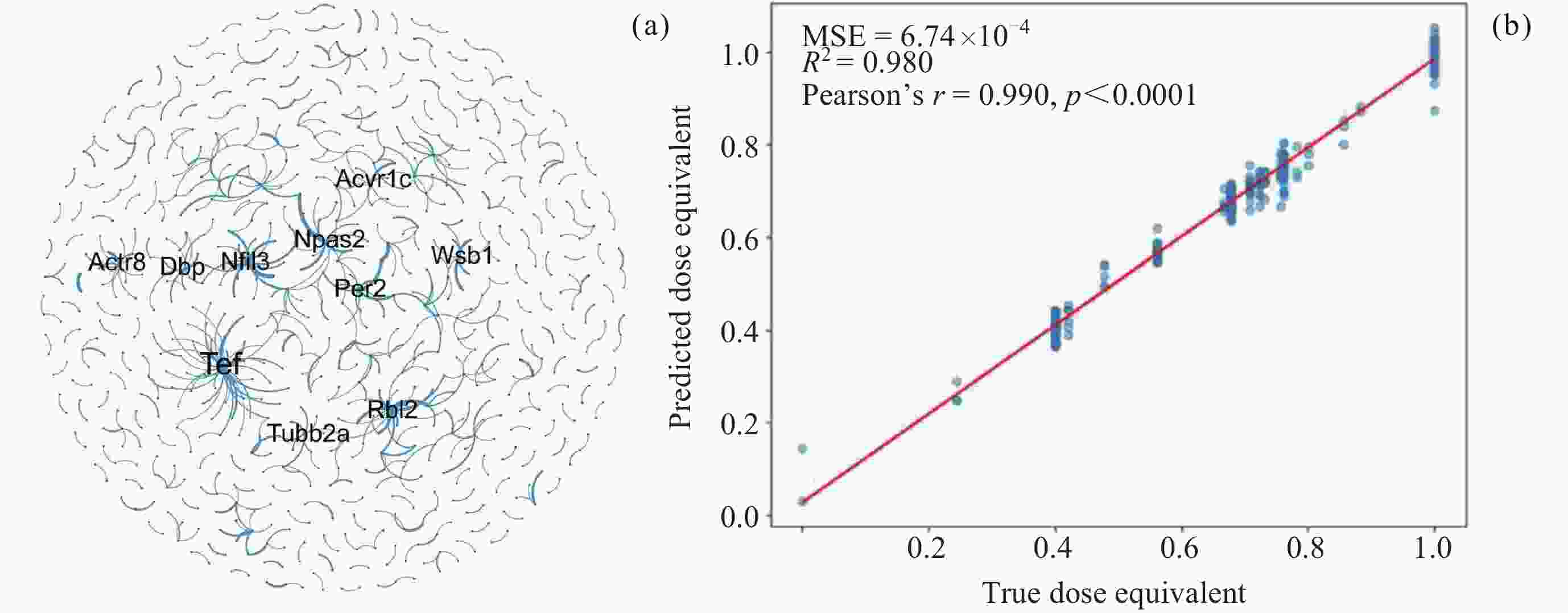
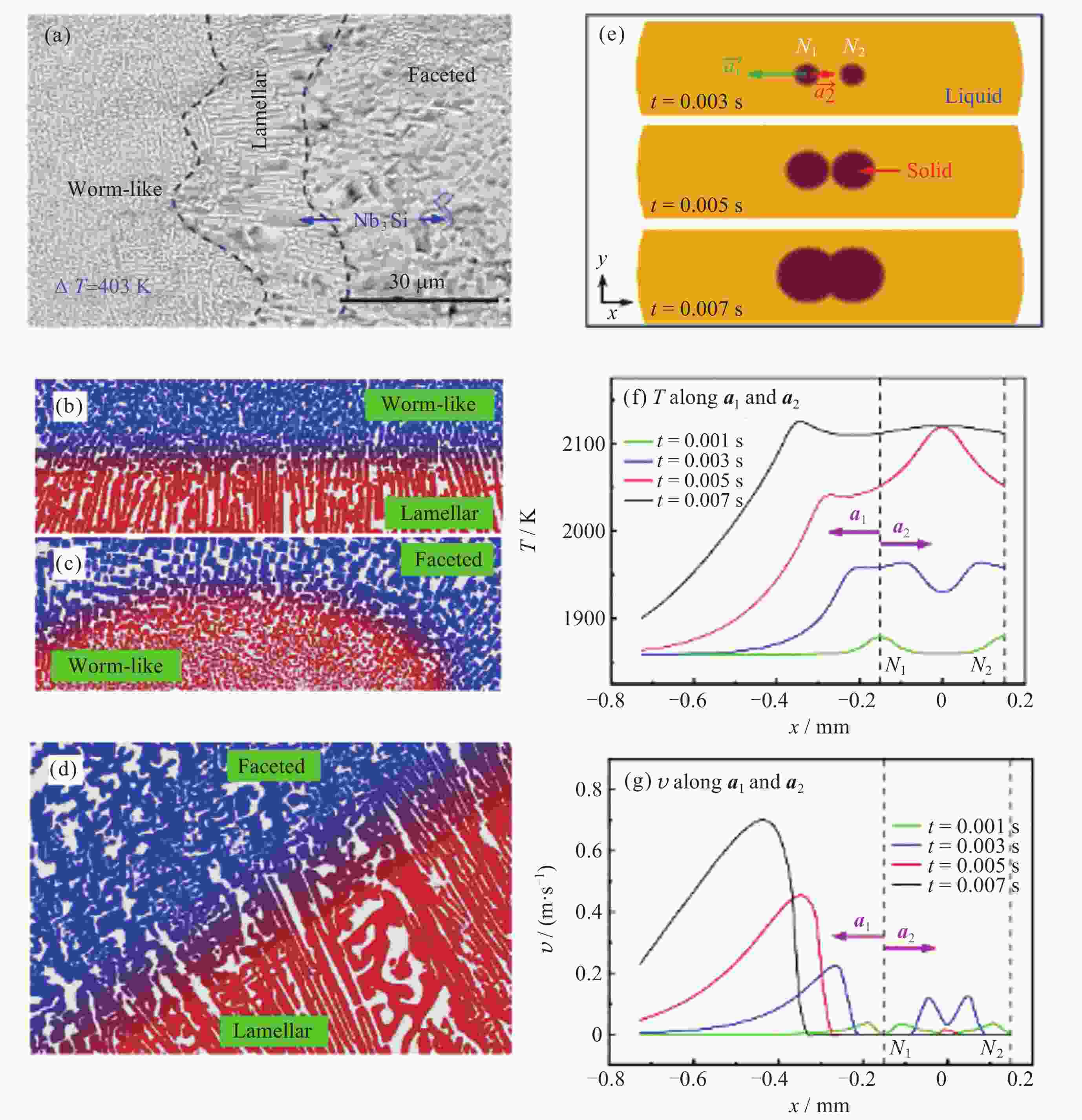
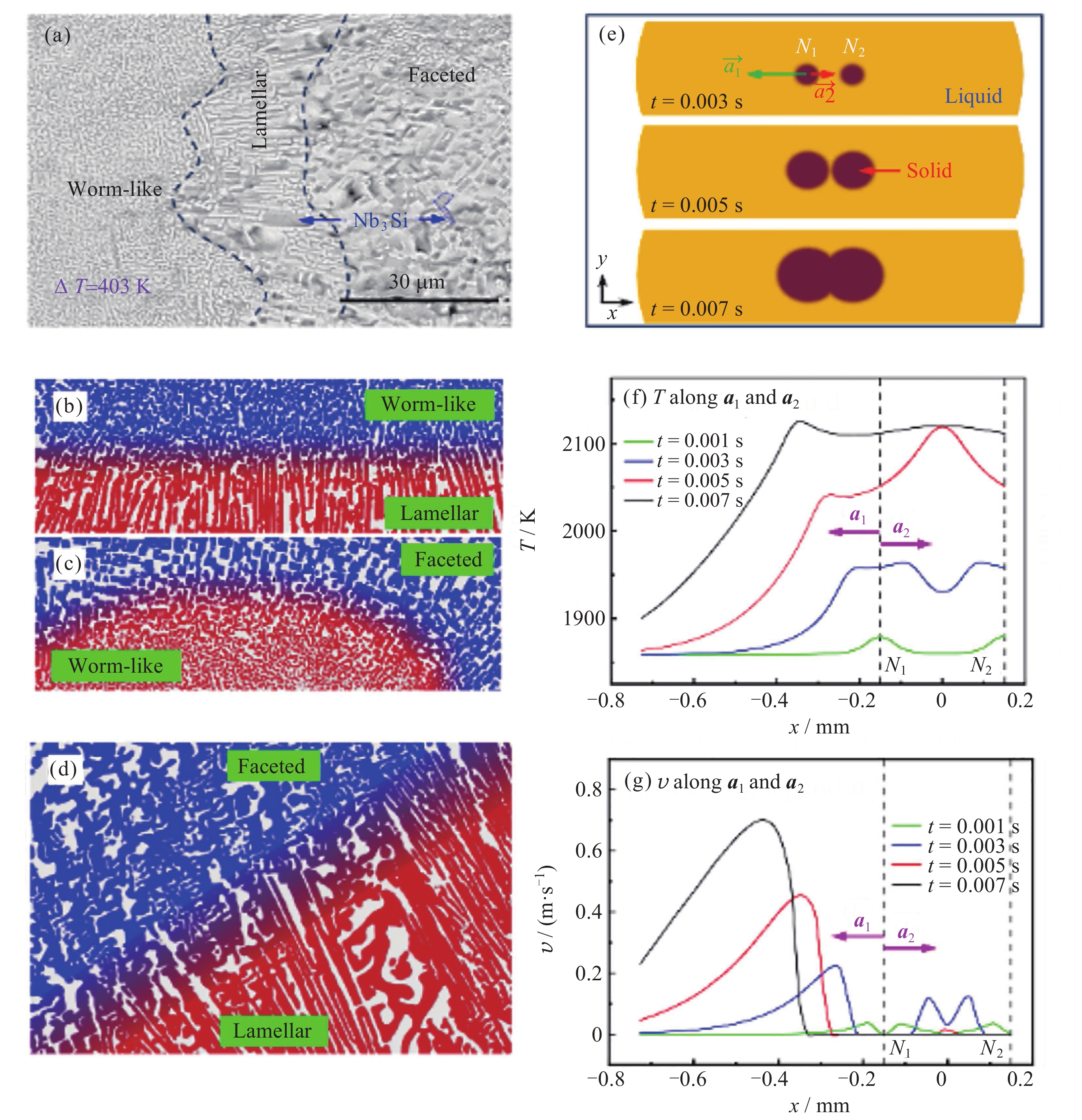
Figure 13. Various eutectic growth modes solidified at large undercoolings under microgravity and the numerical simulation[10,38]
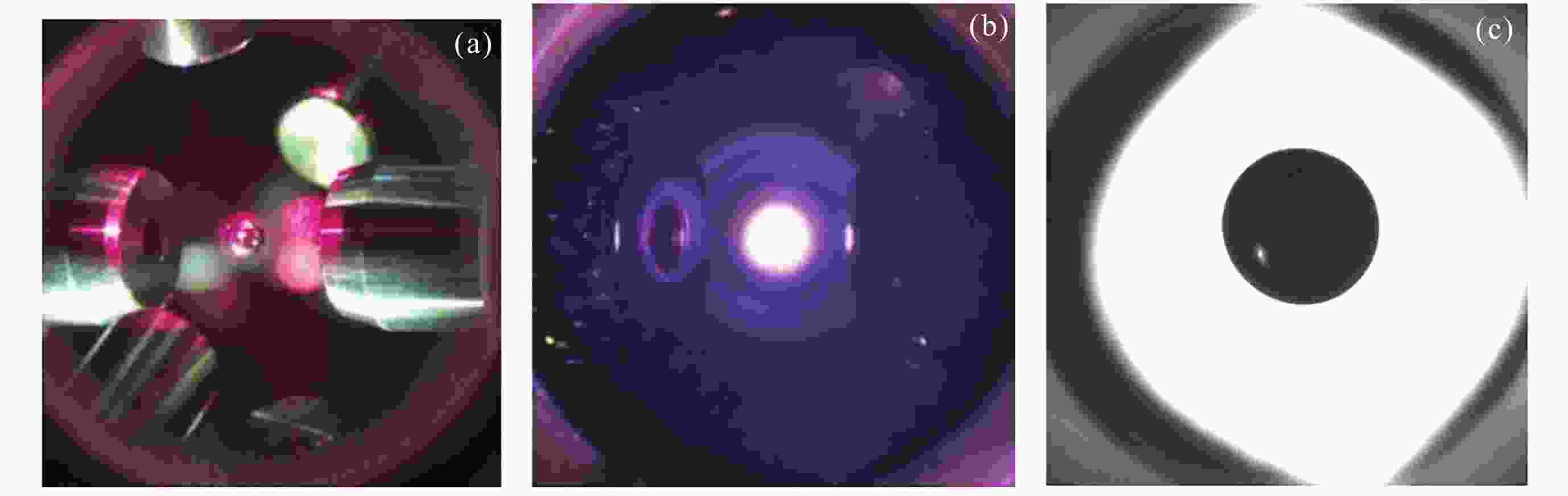
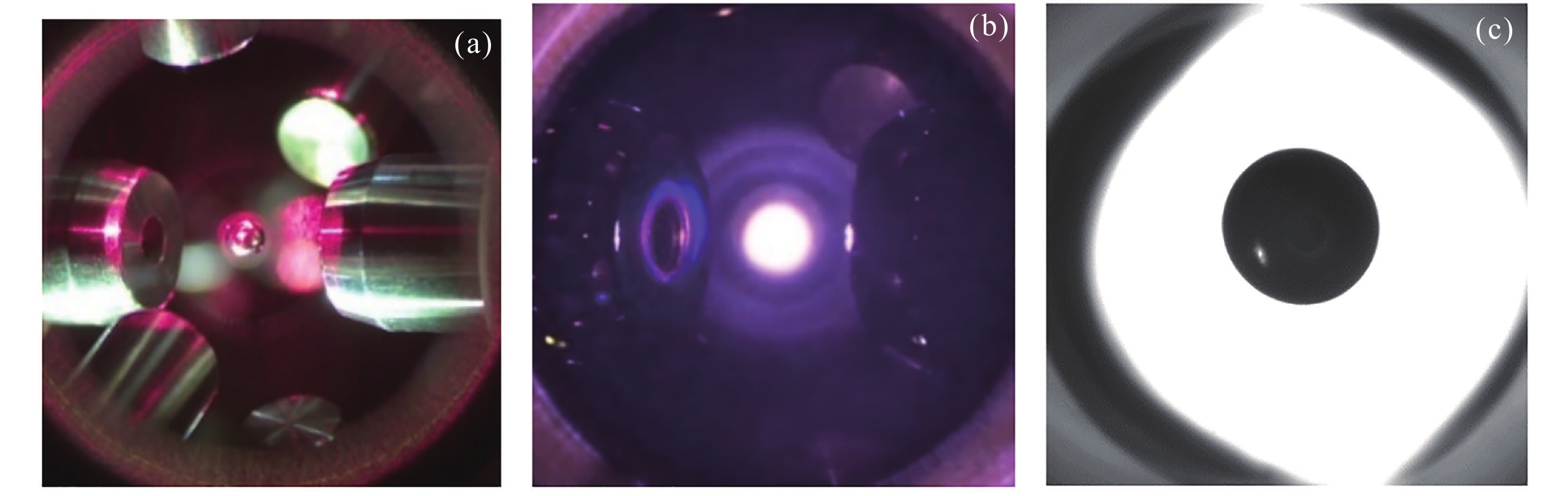
Figure 14. Sample experimental process. (a) Stable suspension in space, (b) heating and melting of samples, (c) measurement of melt density
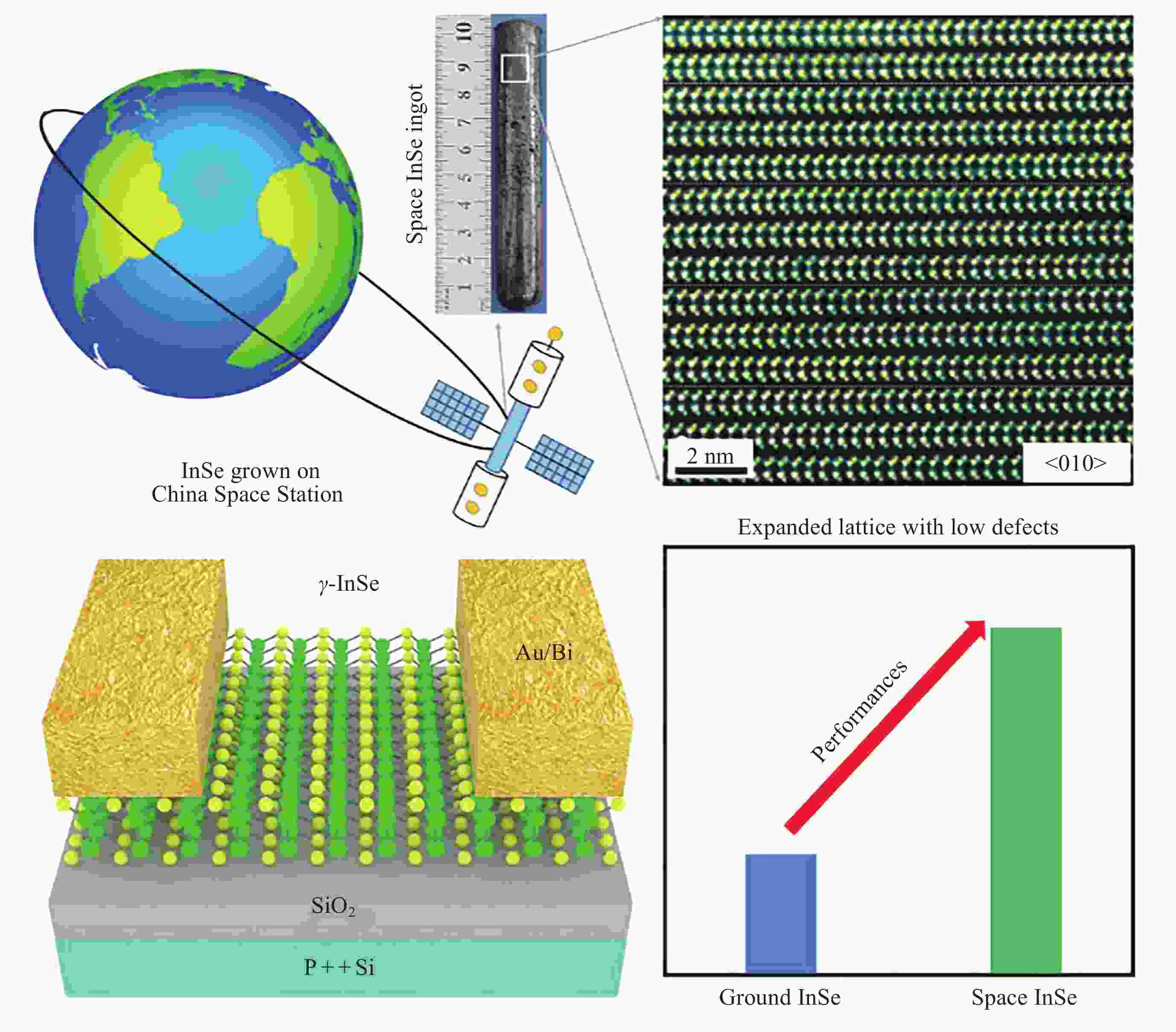
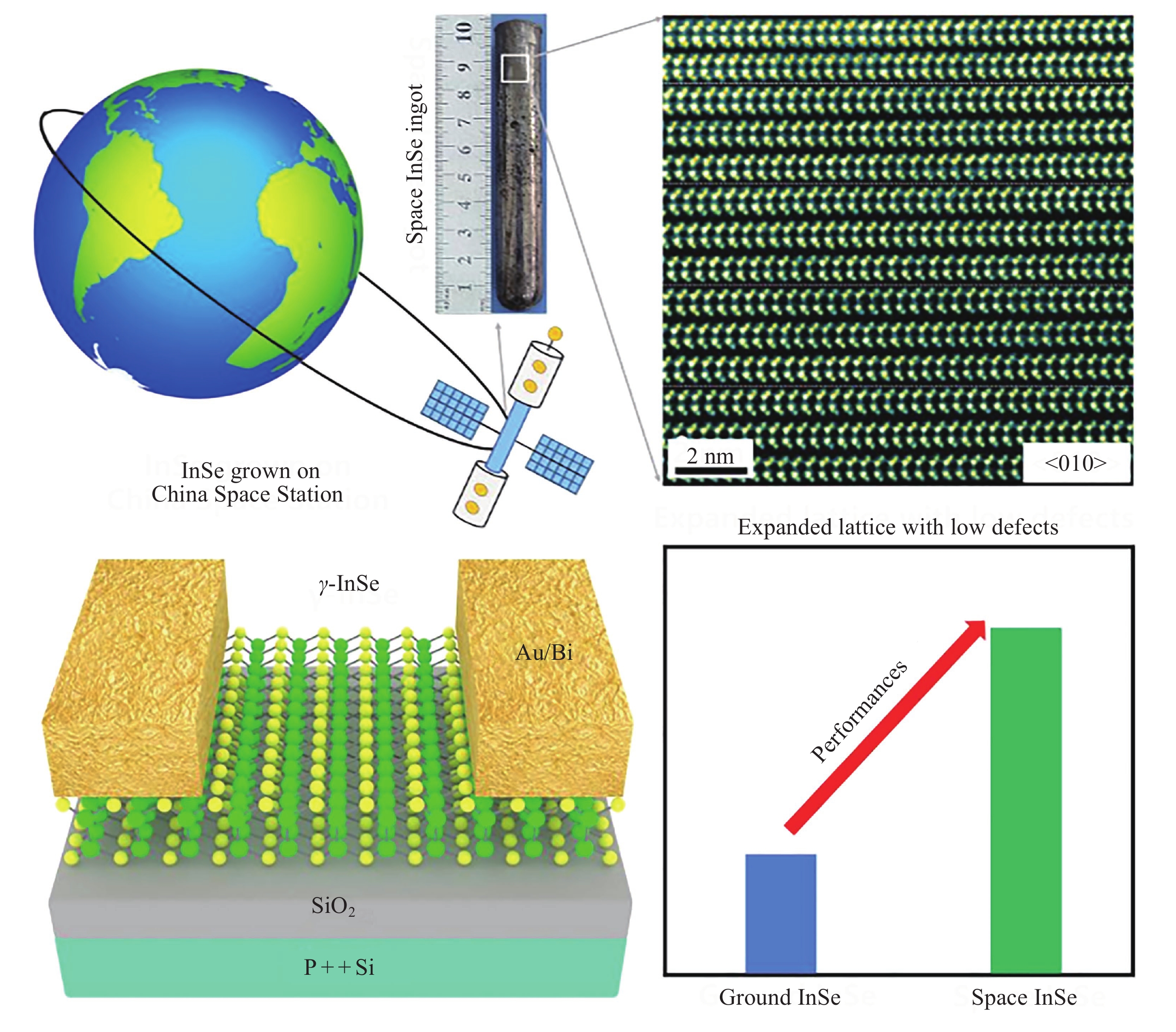
Figure 15. Microstructure of space grown InSe crystal and high performance field-effect transistors[43]
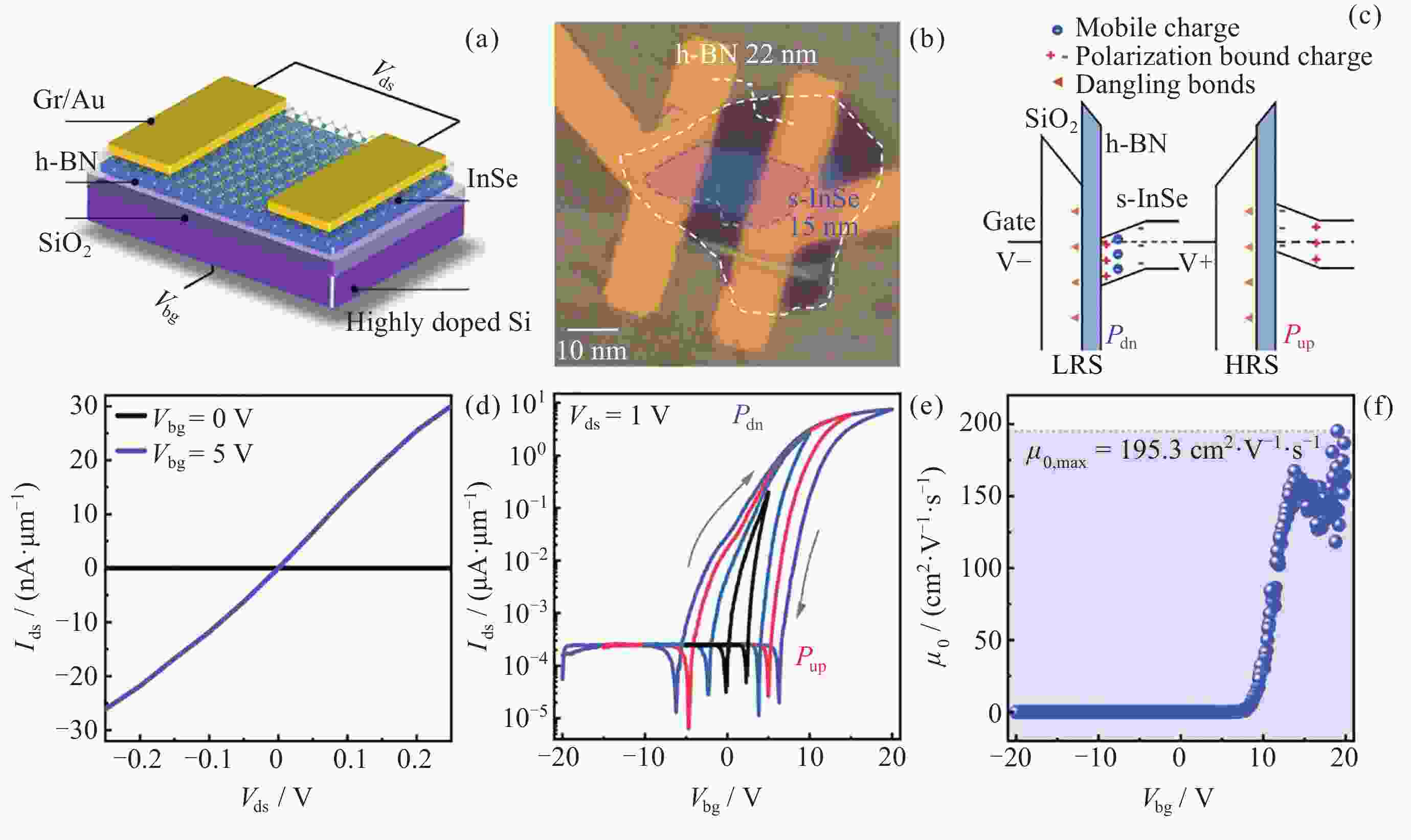
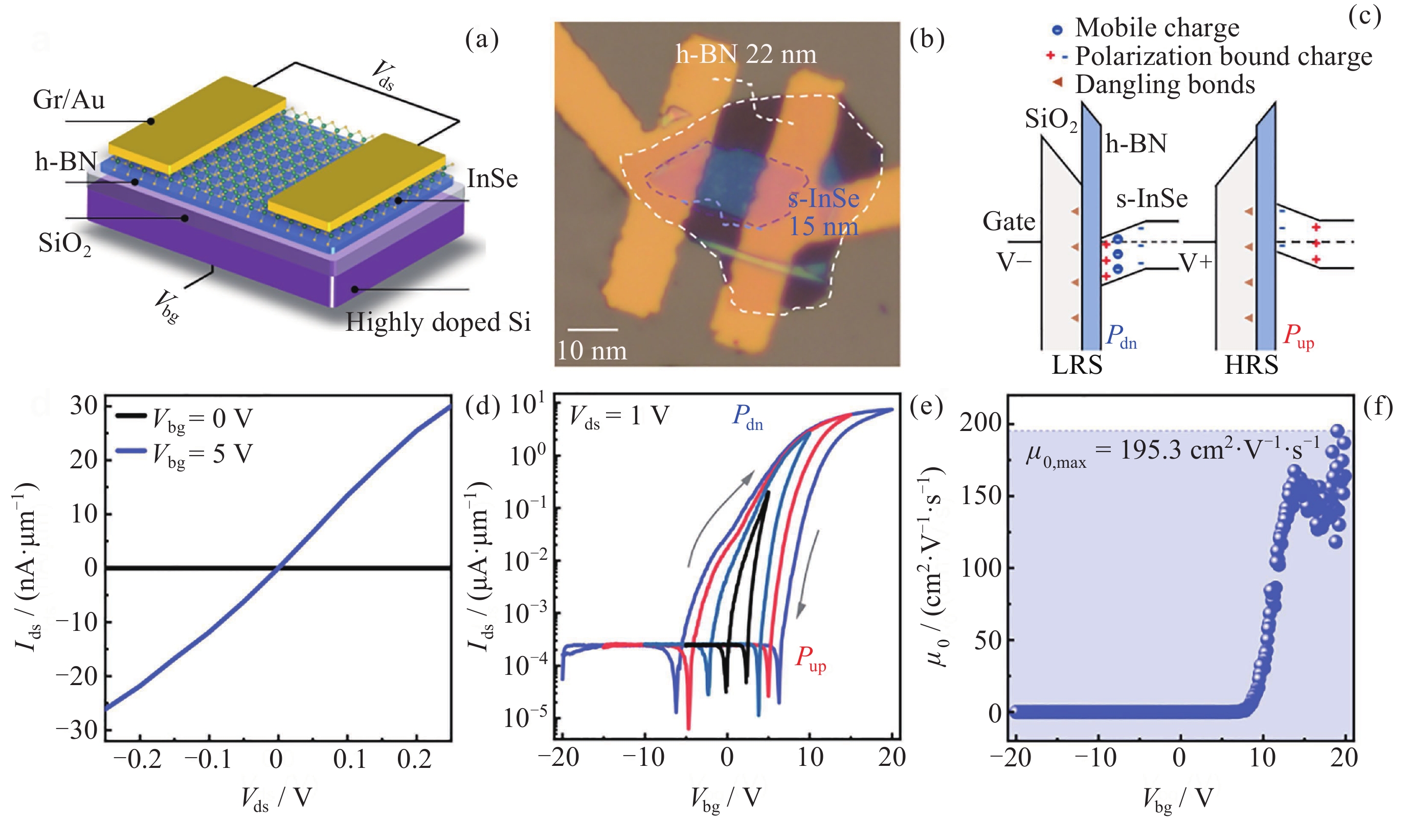
Figure 16. Electrical performance of back-gated ferroelectric semiconductor field effect transistors[44]
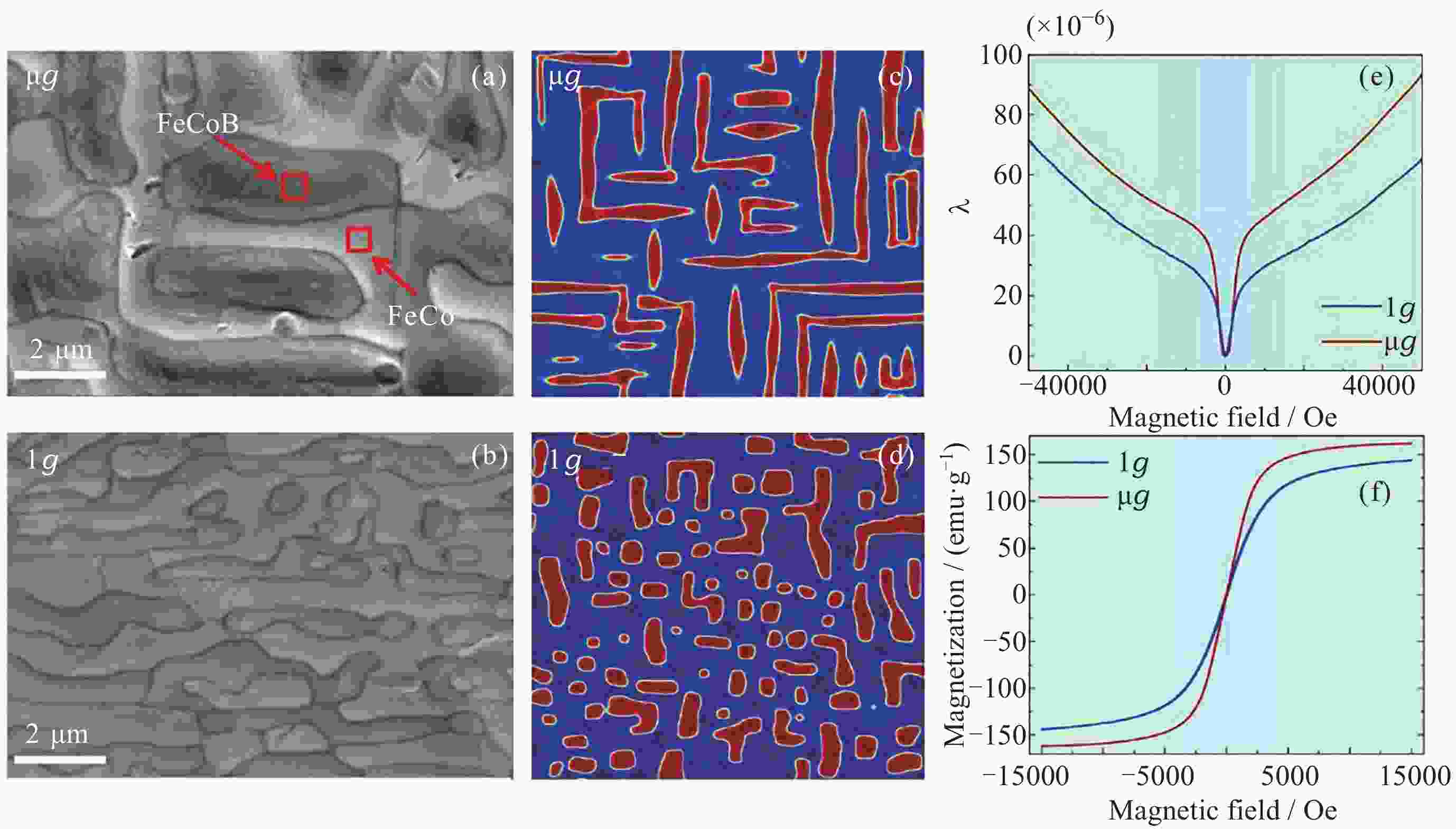
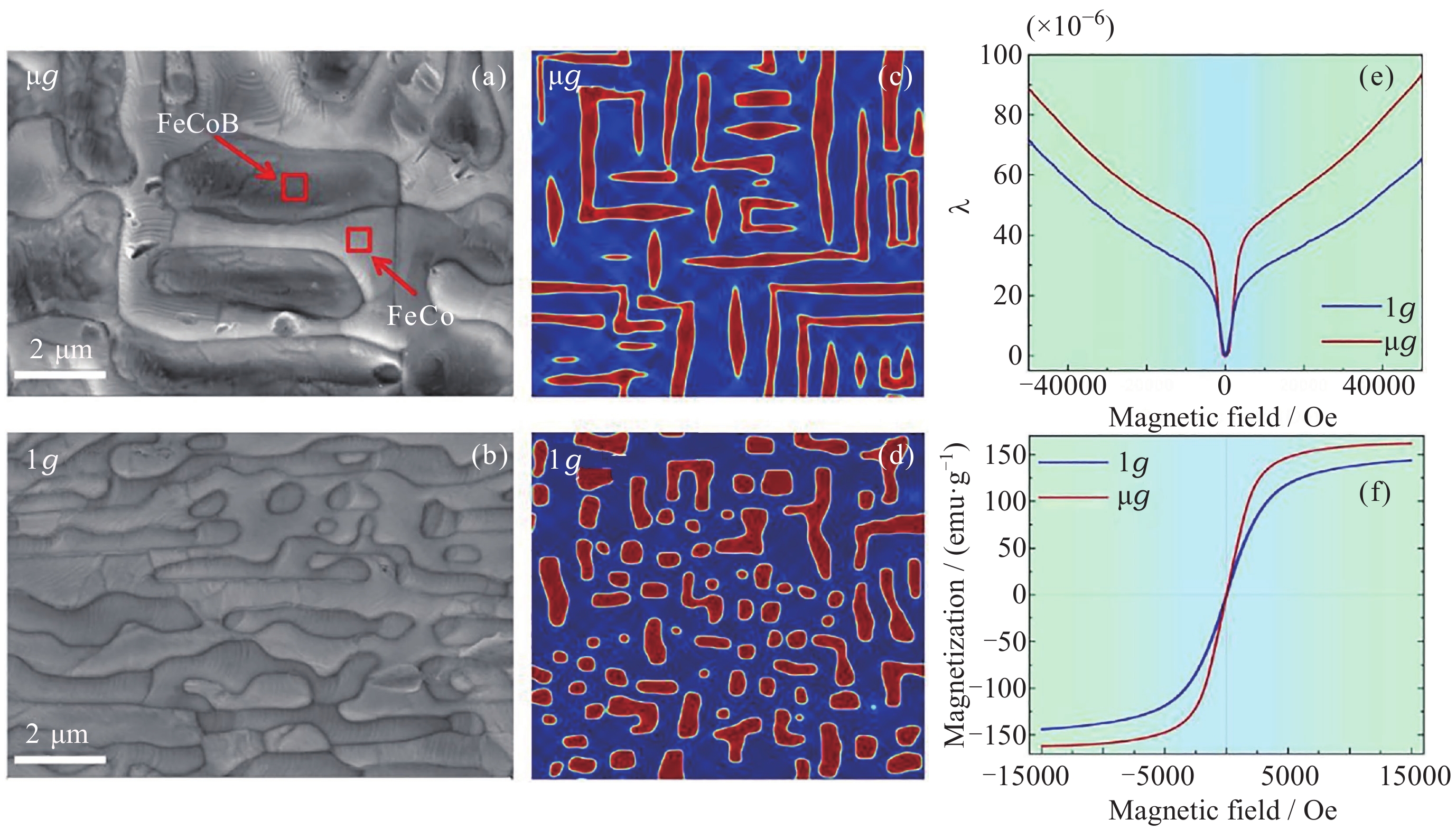
Figure 17. Microstructures and magnetic properties of FeCoB alloys solidified in outer space and on the ground[10]
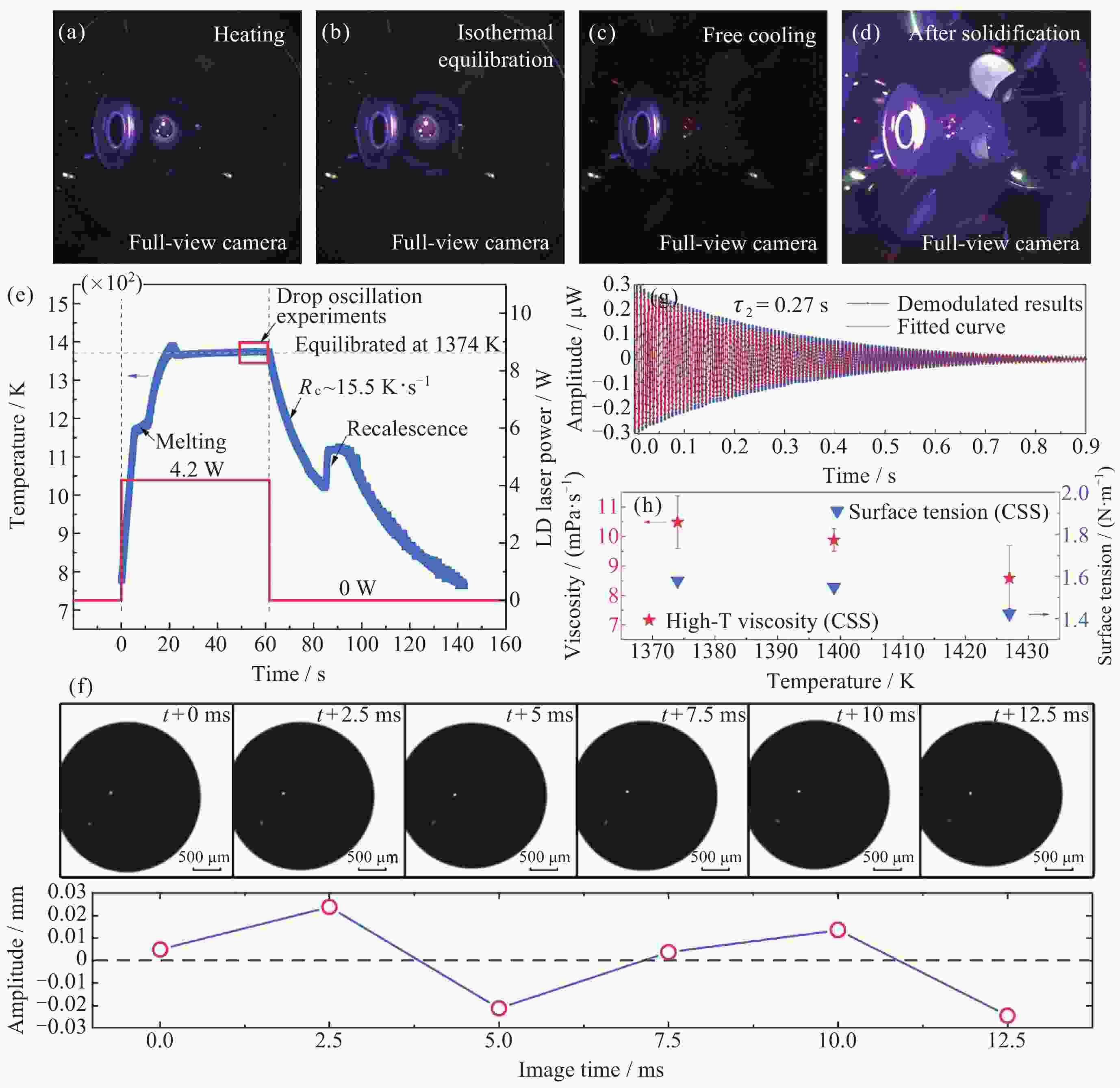
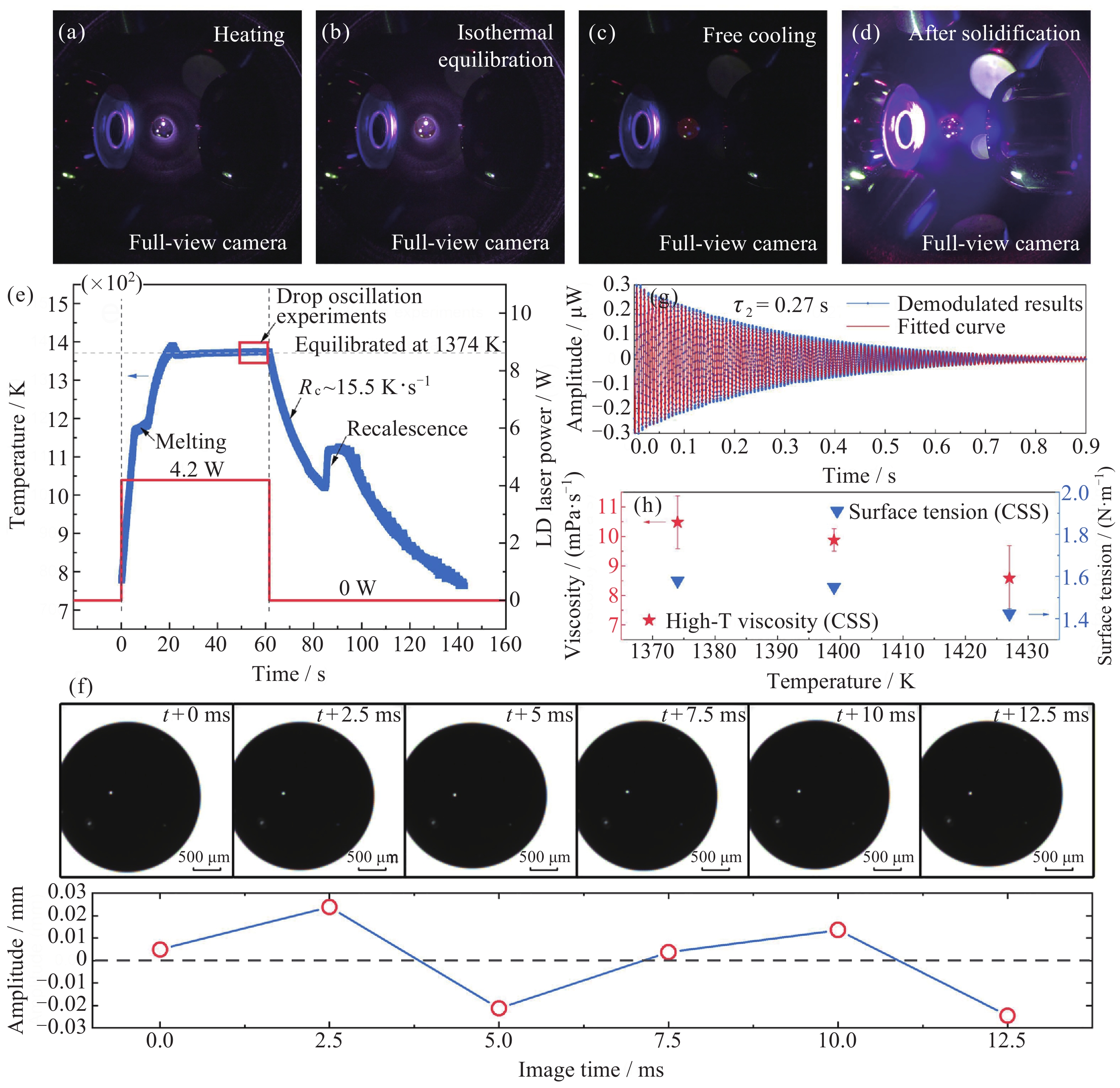
Figure 18. On-orbit ESL experiments. (a)–(d) Full-view camera images showing the suspended sample during heating, isothermal equilibration, free cooling, and after solidification. (e) Temperature-time profile and applied laser power. (f) Images of an oscillating droplet and the corresponding oscillation amplitude. (g) Oscillation decay curve and fitted curve. (h) Temperature dependences of viscosity and surface tension[45]
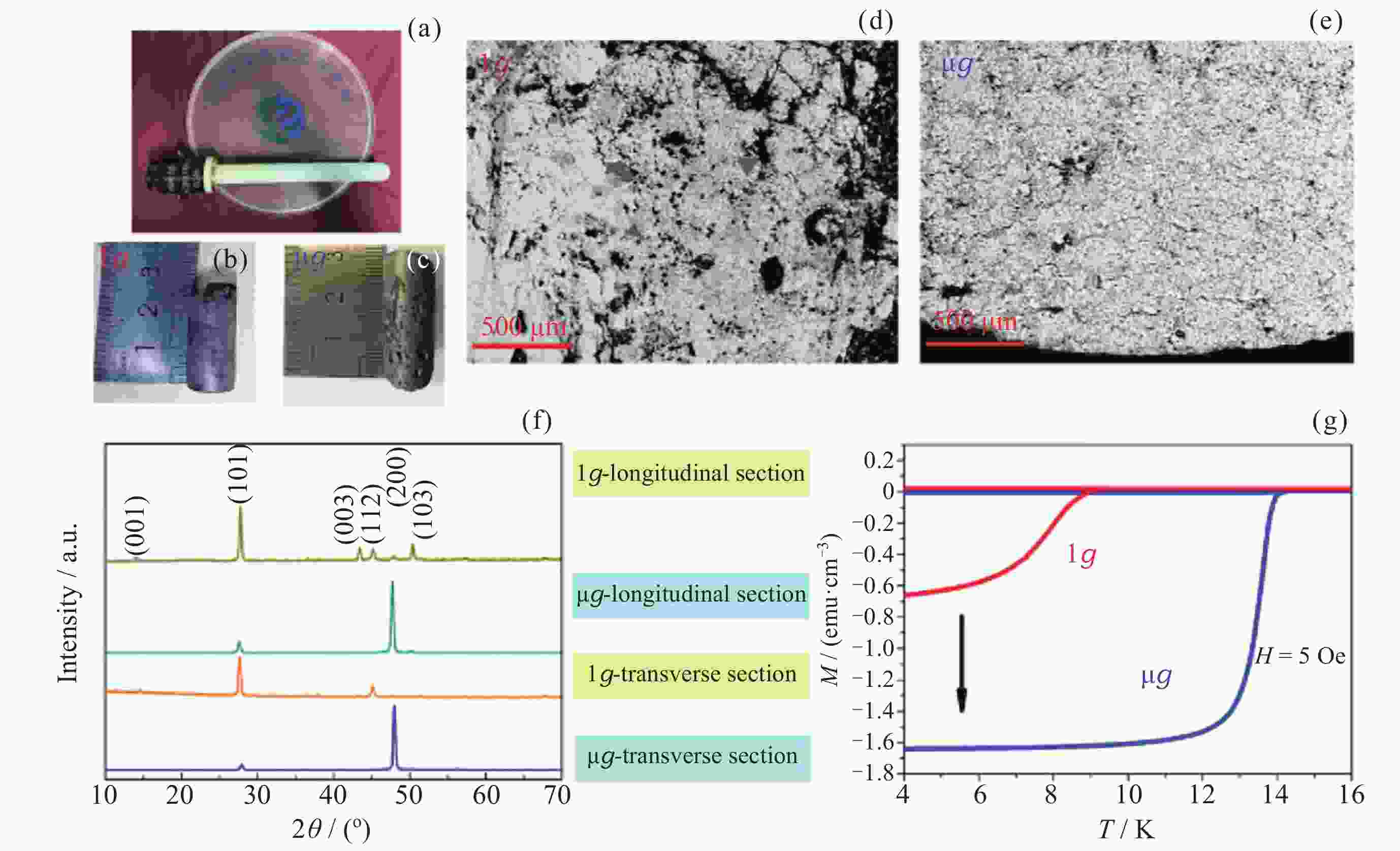
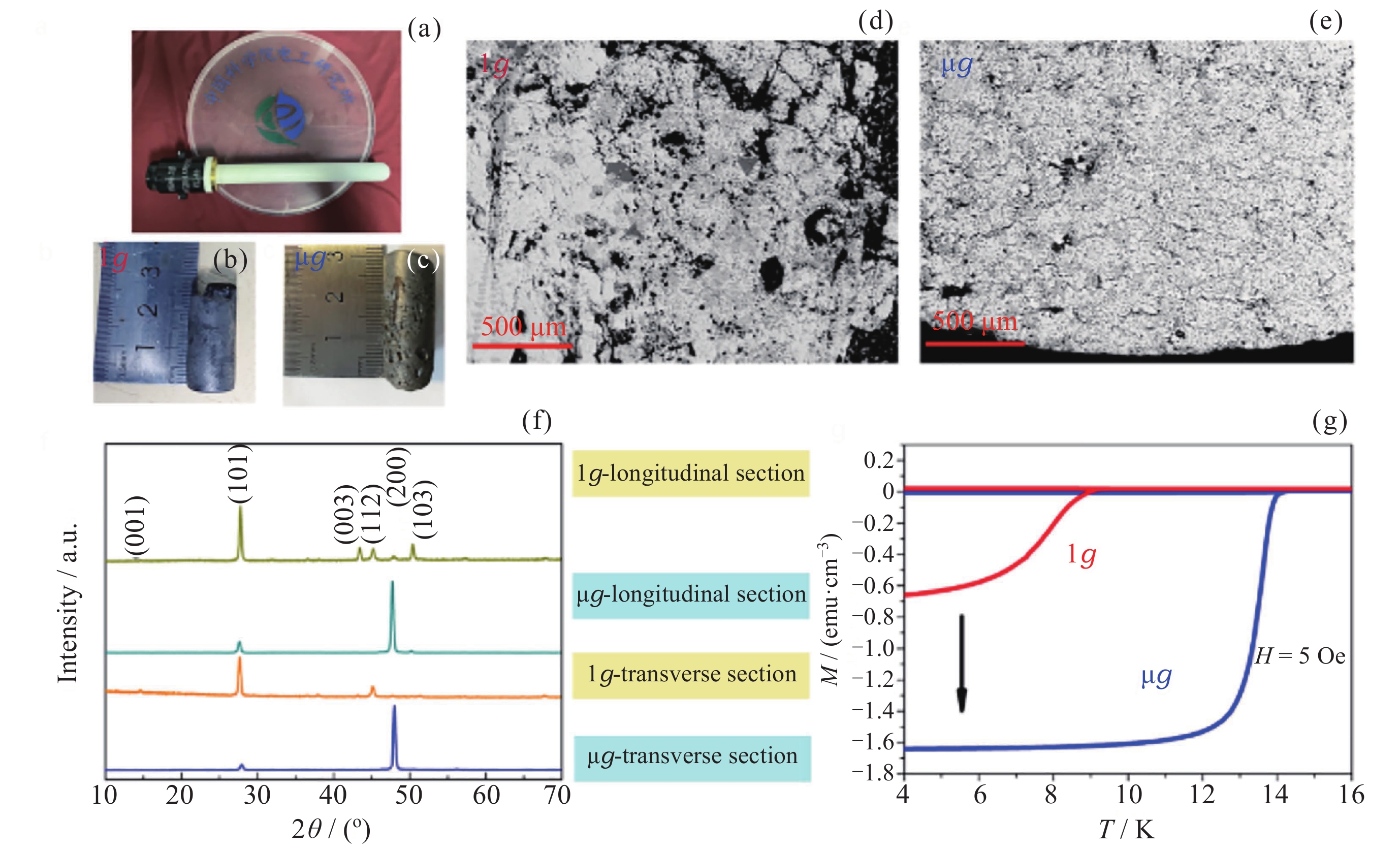
Figure 19. Comparison of directionally solidified FeSeTe samples[10]. (a) Returned sample ampoule; (b) $1\;g $ (ground) and (c) μ$g $ (microgravity) sample rods; backscattered Electron (BSE) images of the (d) $1\;g $ and (e) μ$g $ samples, respectively; (f) XRD patterns; (g) superconducting transition
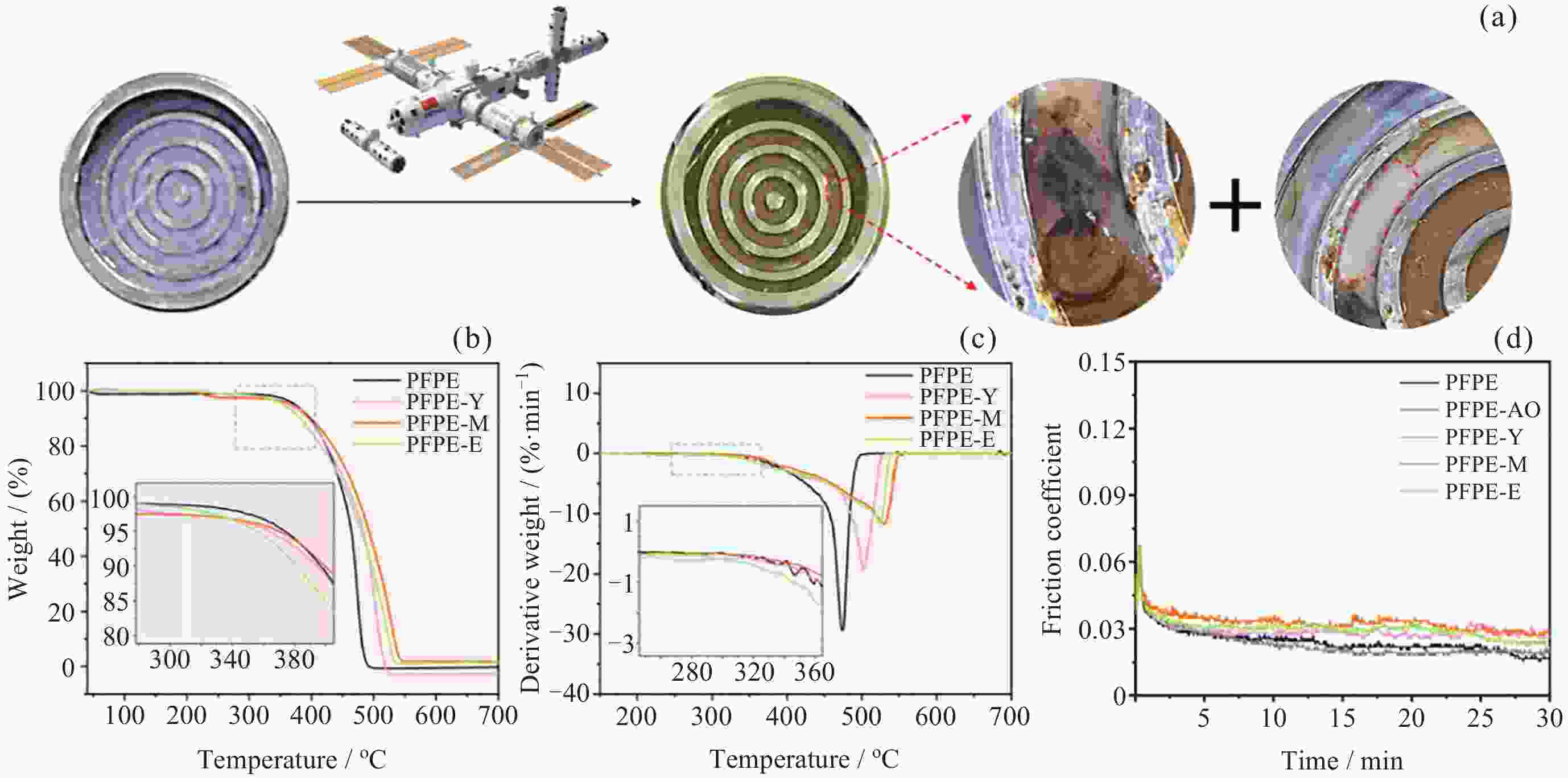
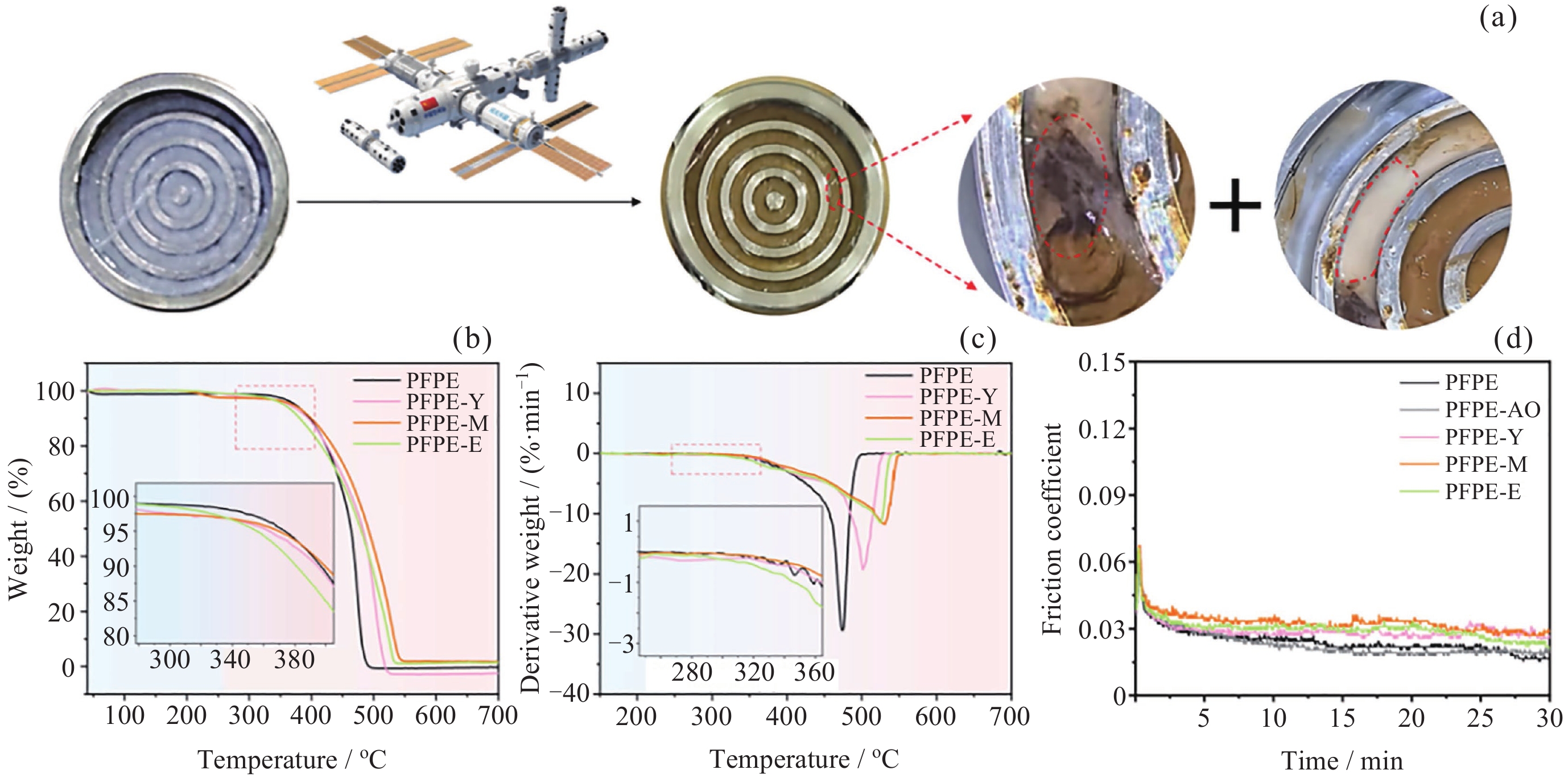
Figure 20. Comparison of supramolecular gel before and after space exposure. (a) Photographs, (b) thermogravimetric analysis curves, (c) derivative thermogravimetric curves, (d) coefficient of friction[47]
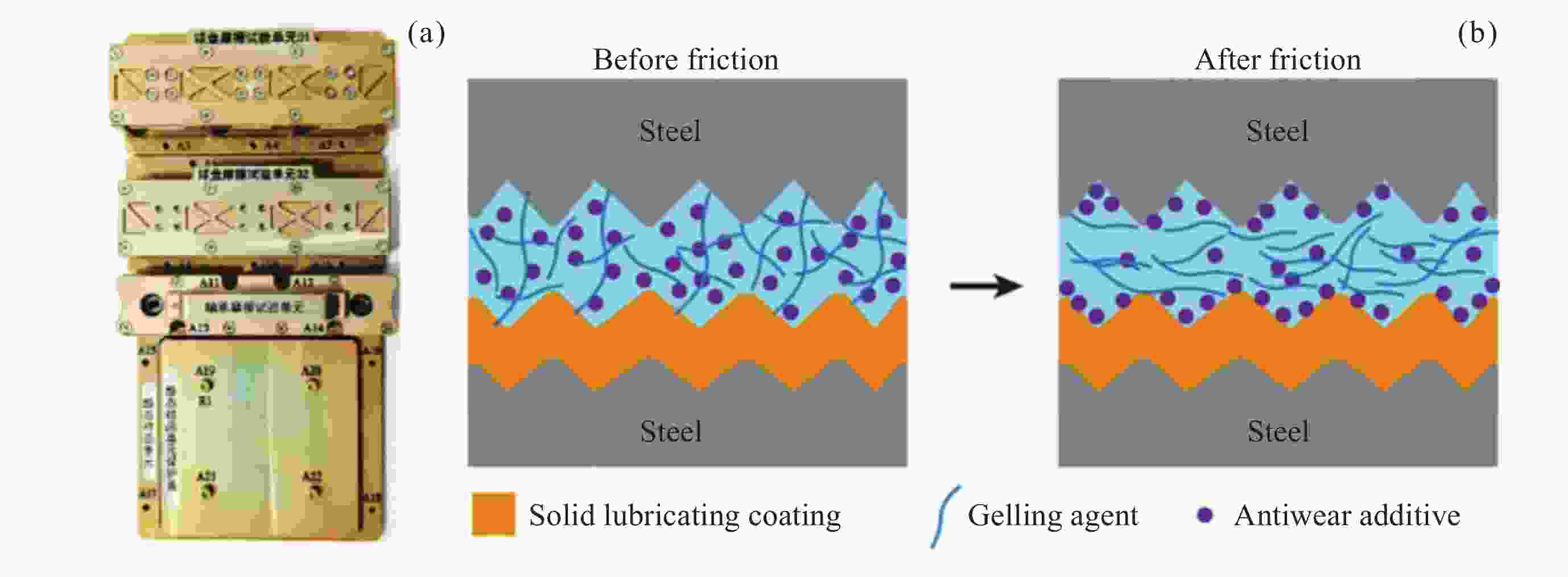
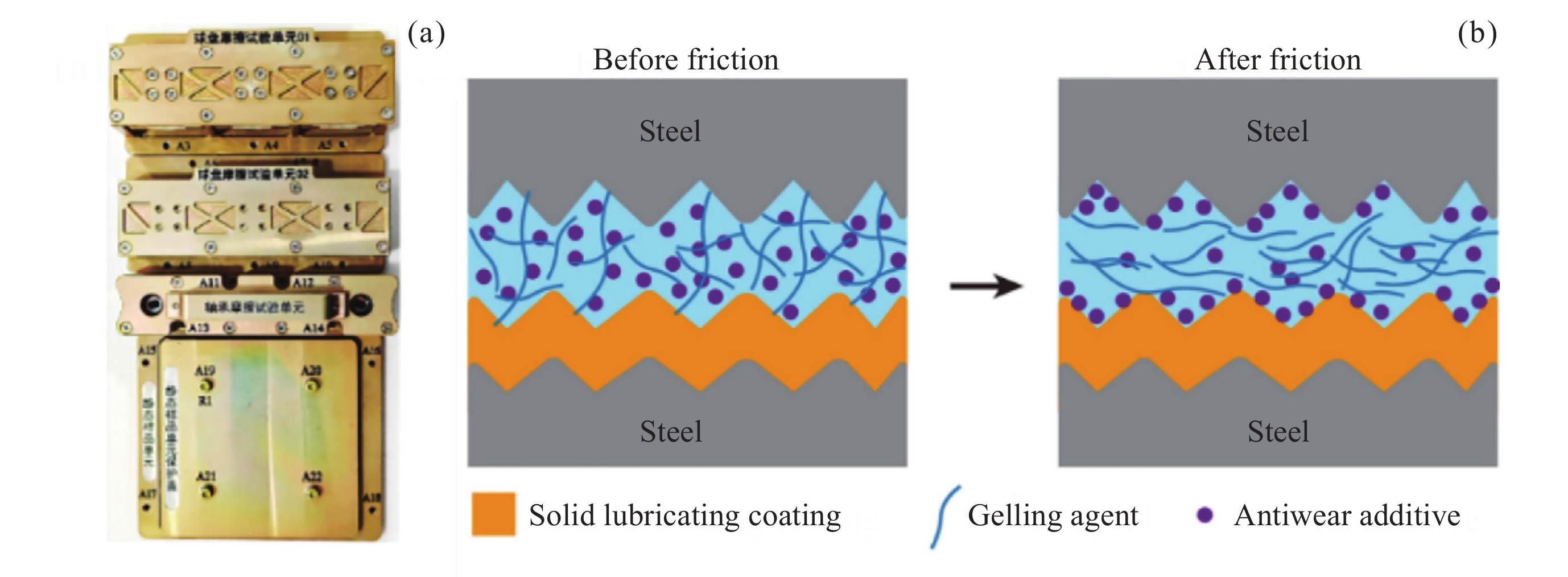
Figure 21. Solid-liquid composite lubrication. (a) Solid-liquid composite lubrication tribology test box[10], (b) solid-liquid composite lubrication mechanism
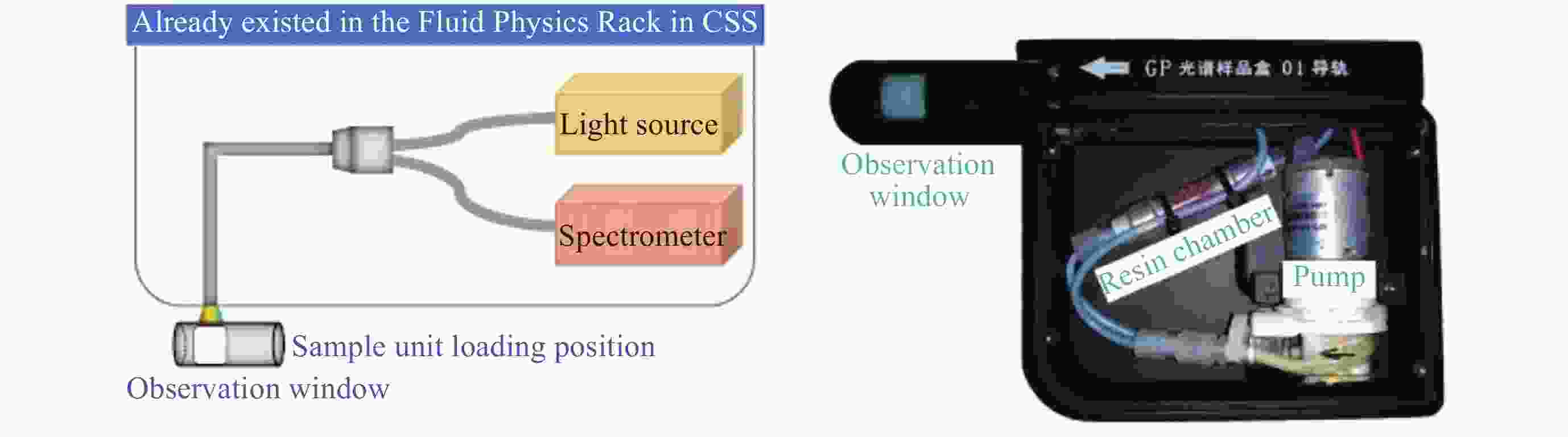
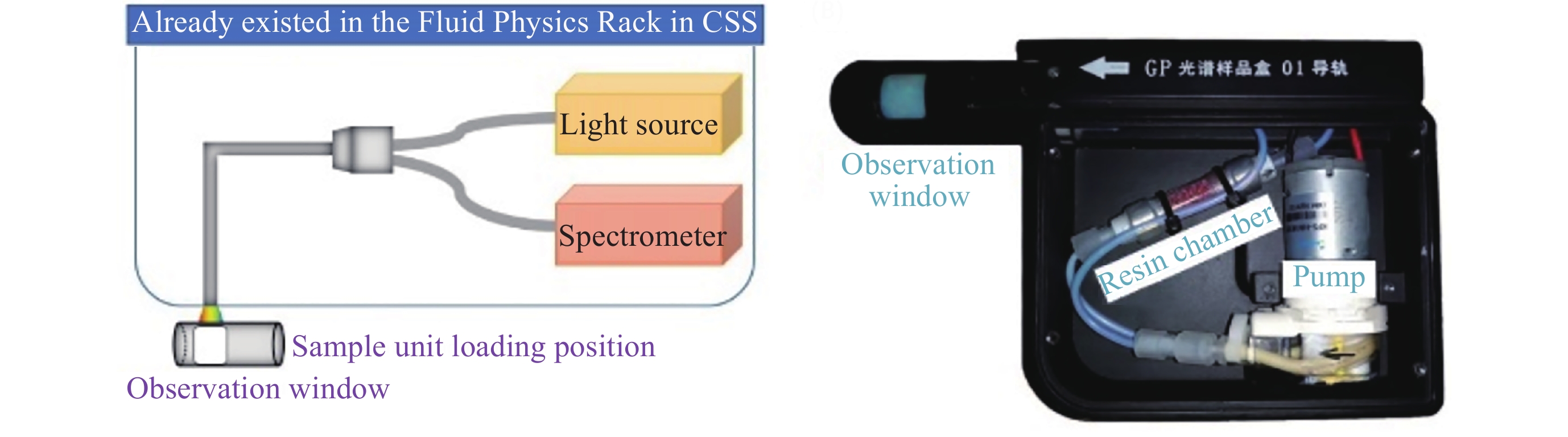
Figure 22. Reflection spectrometer and sample unit[10,49]. (a) Reflection spectrometer in the fluid physics rack, (b) photograph of the sample unit
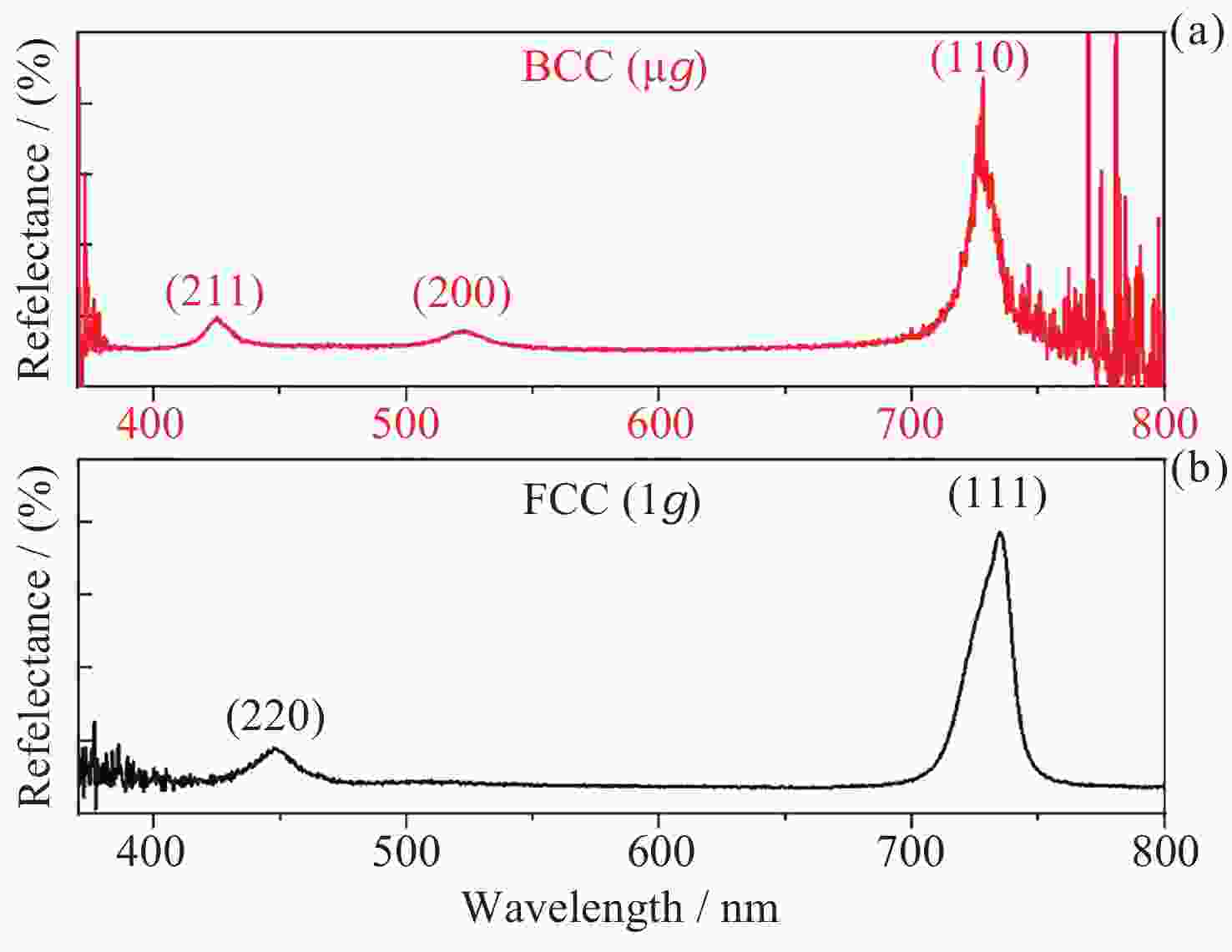
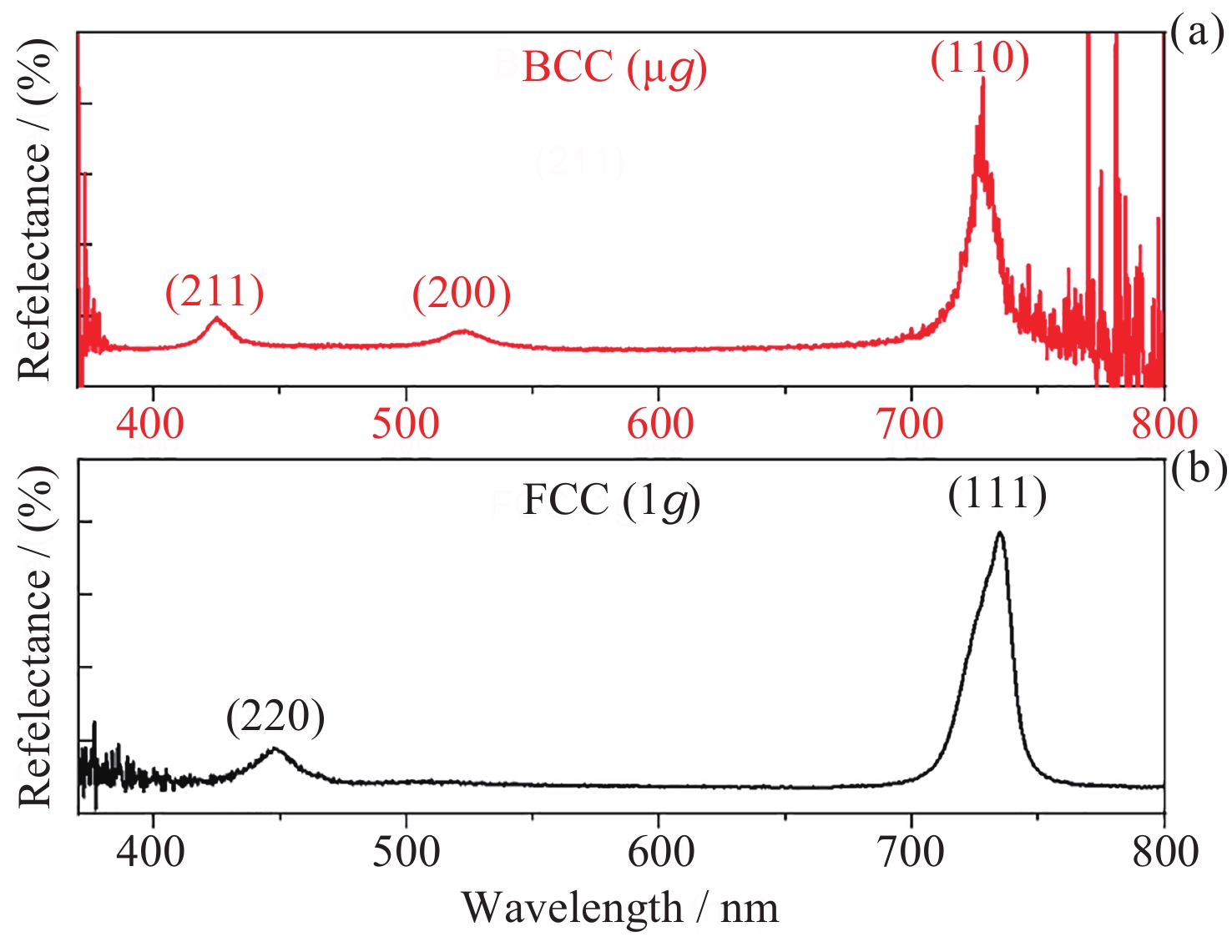
Figure 23. Reflection spectra of colloidal crystals formed in space (a) and on the ground (b)[10,49]. The crystal structures are metastable BCC and stable FCC, respectively
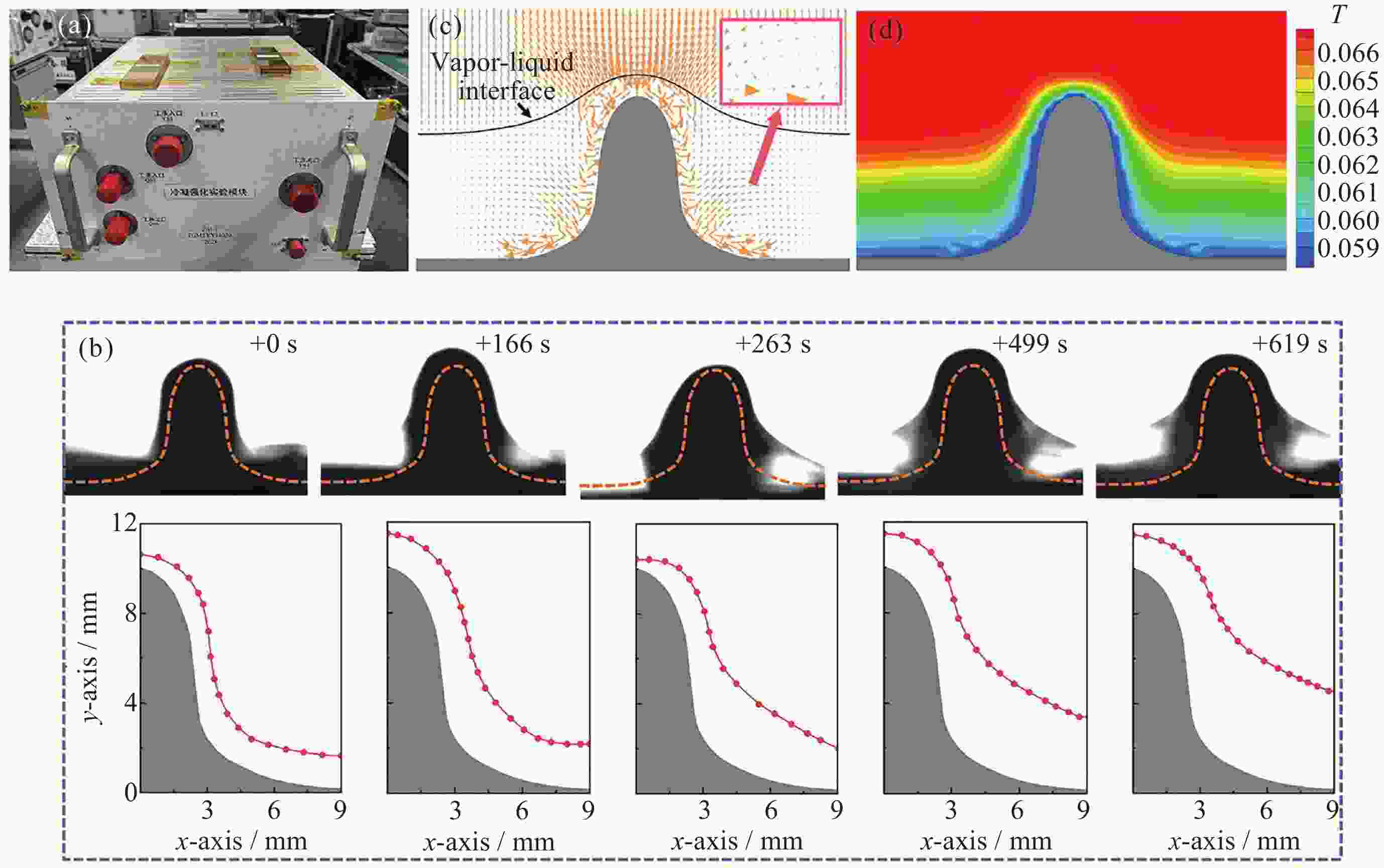
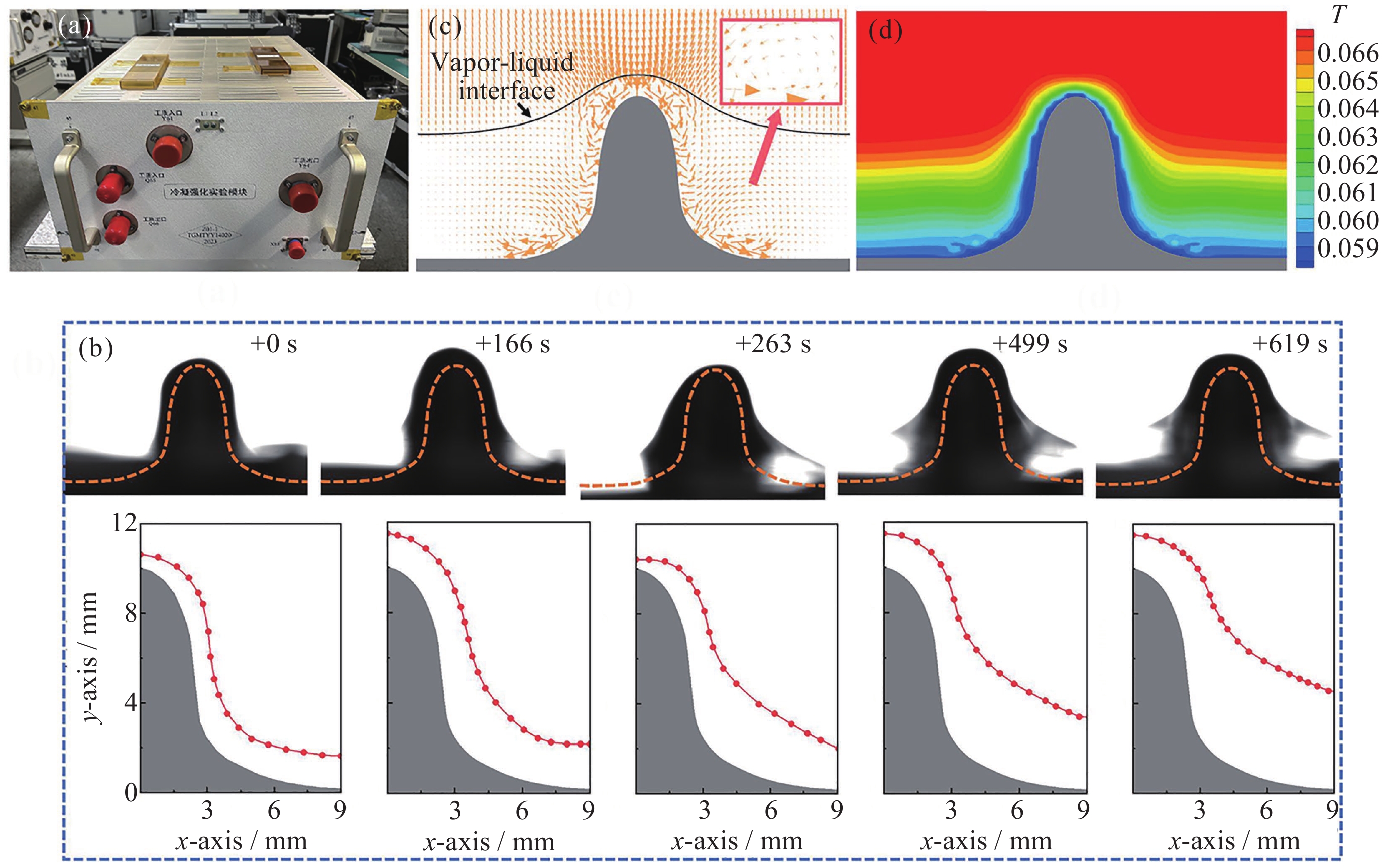
Figure 24. Evolution behavior and heat transfer of the space condensation liquid film on a single pin-fin surface[10]. (a) Experimental setup for film condensation under microgravity, (b) evolution of the condensation interface on the single pin-fin surface under microgravity, (c) velocity field distribution, (d) temperature distribution
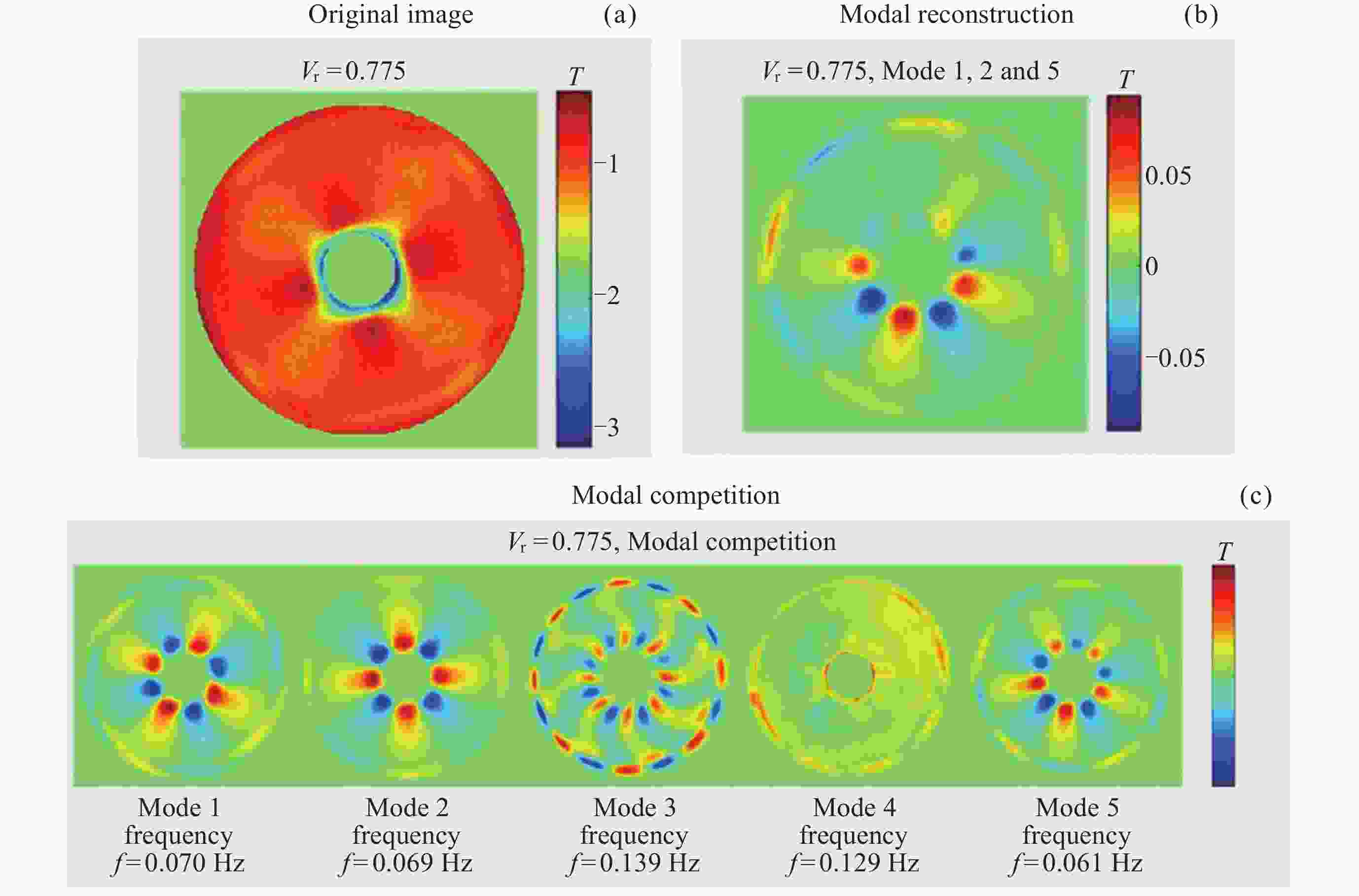
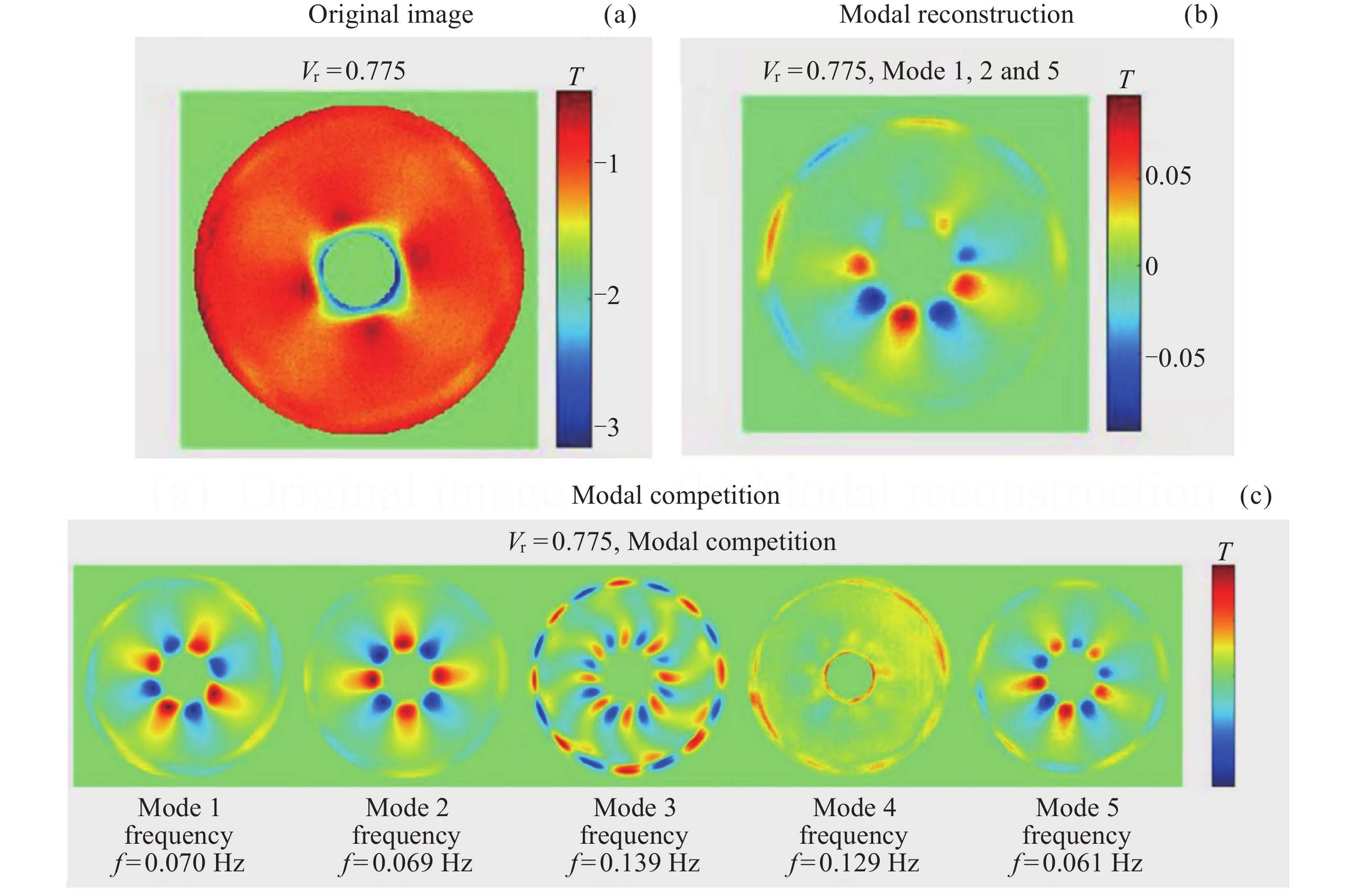
Figure 25. Modal competition of thermal fluid waves under microgravity annular flow[6]
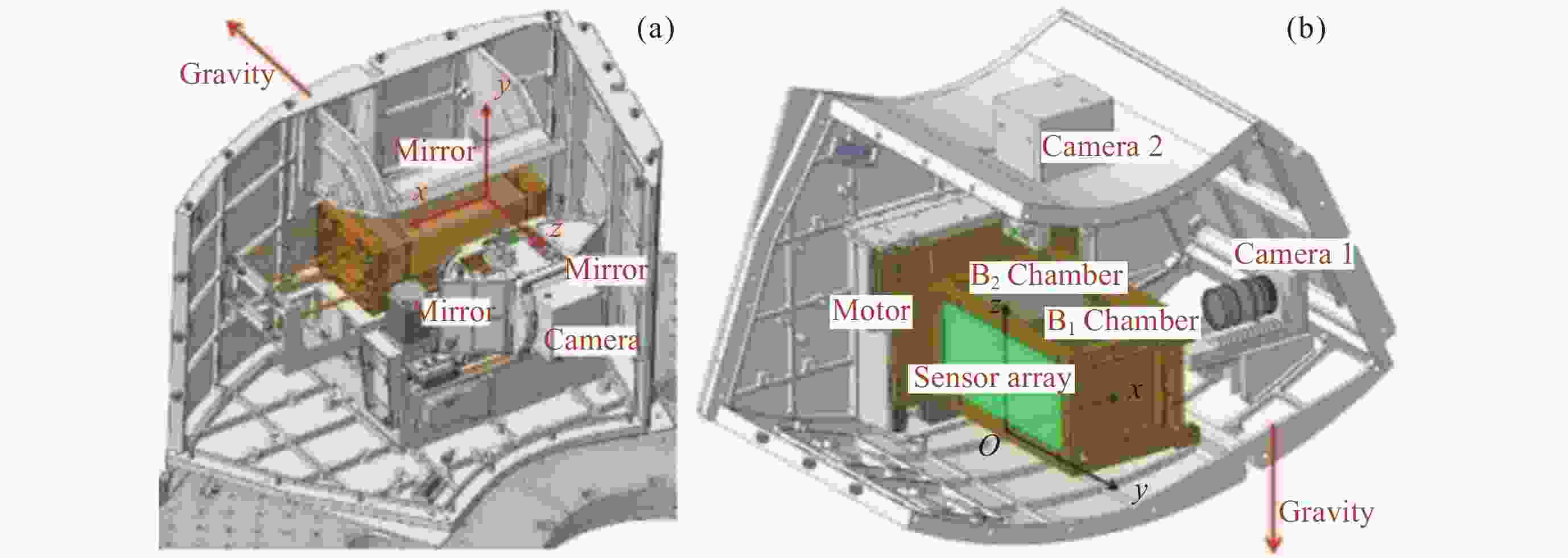
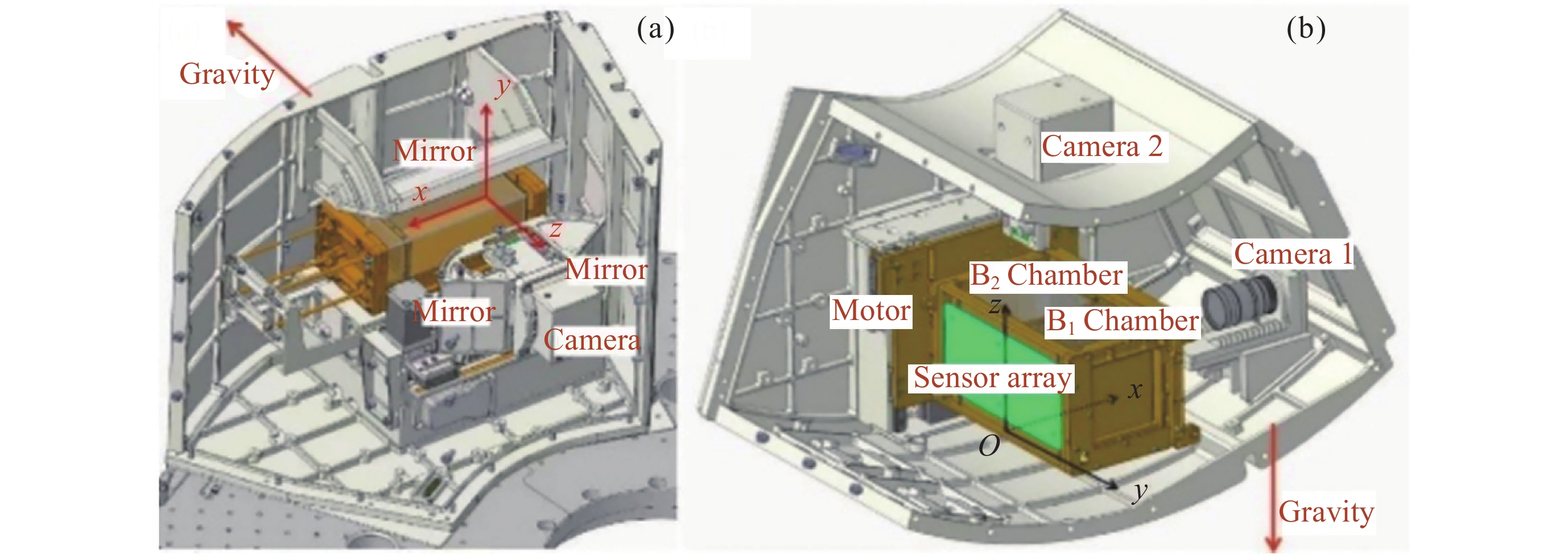
Figure 26. Setup diagram of the CSS granular fluidization experiments for Chamber A (a) and Chamber B (b)[6]
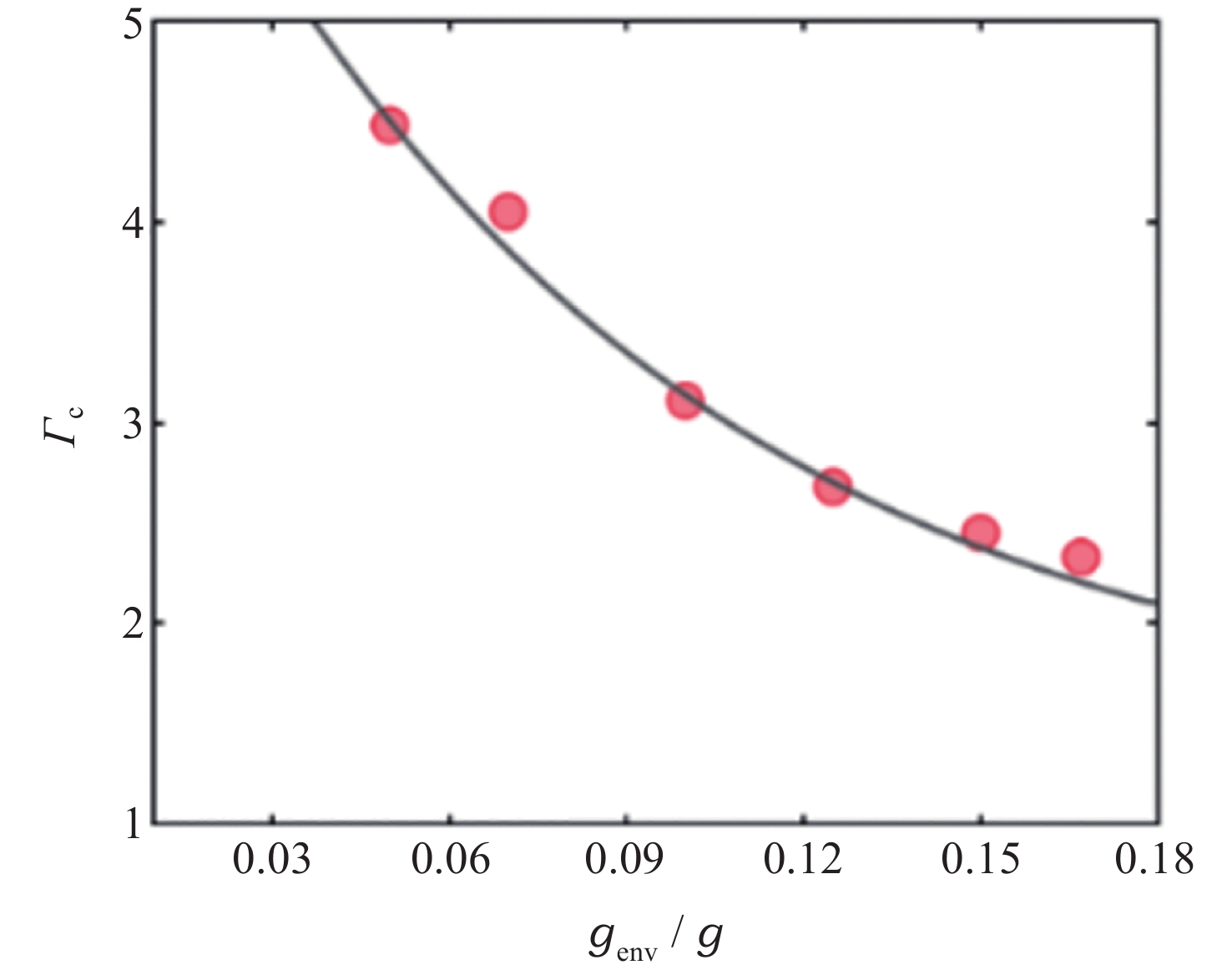
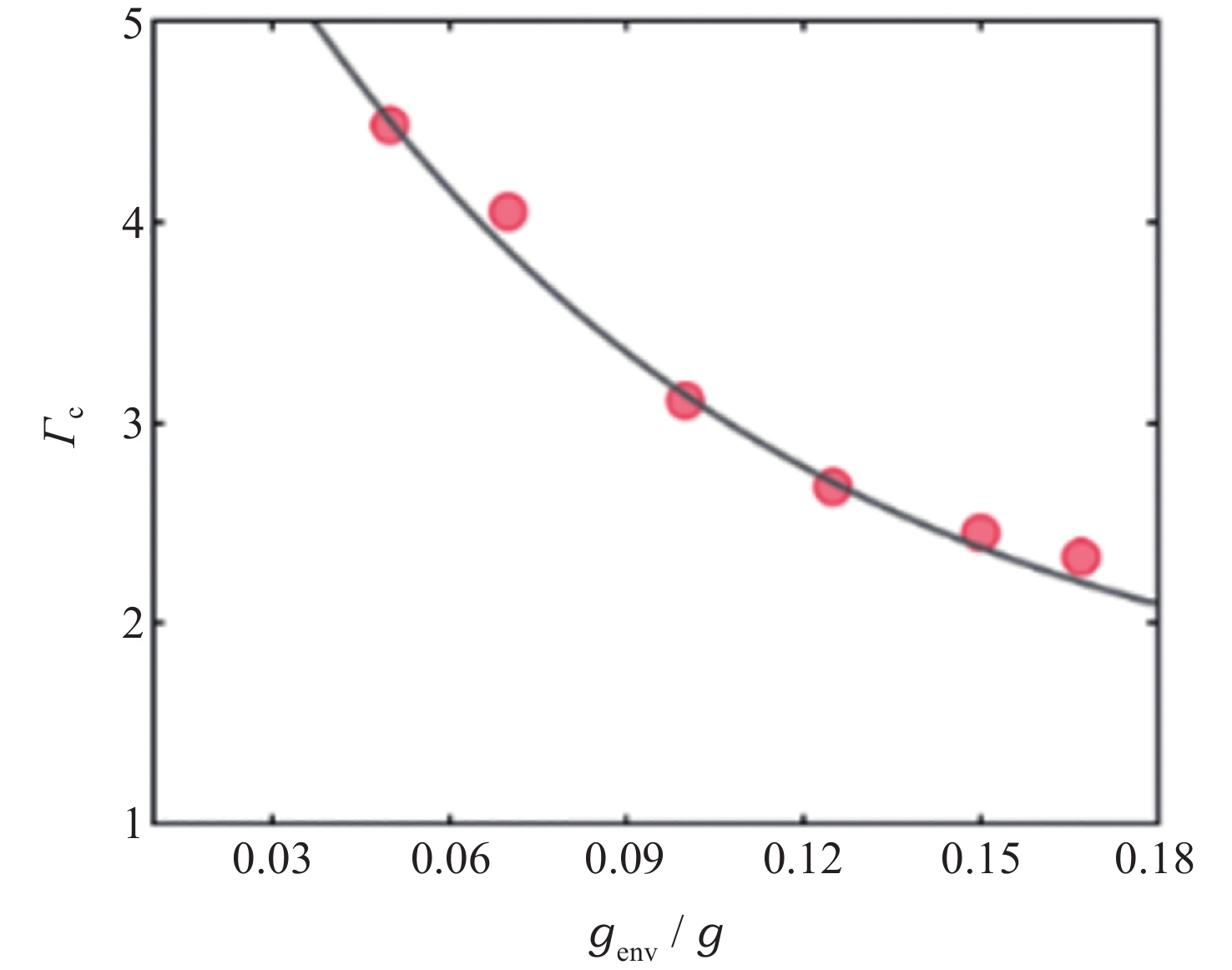
Figure 27. Critical vibration acceleration required for large particles to move upwards decreases as gravity increases
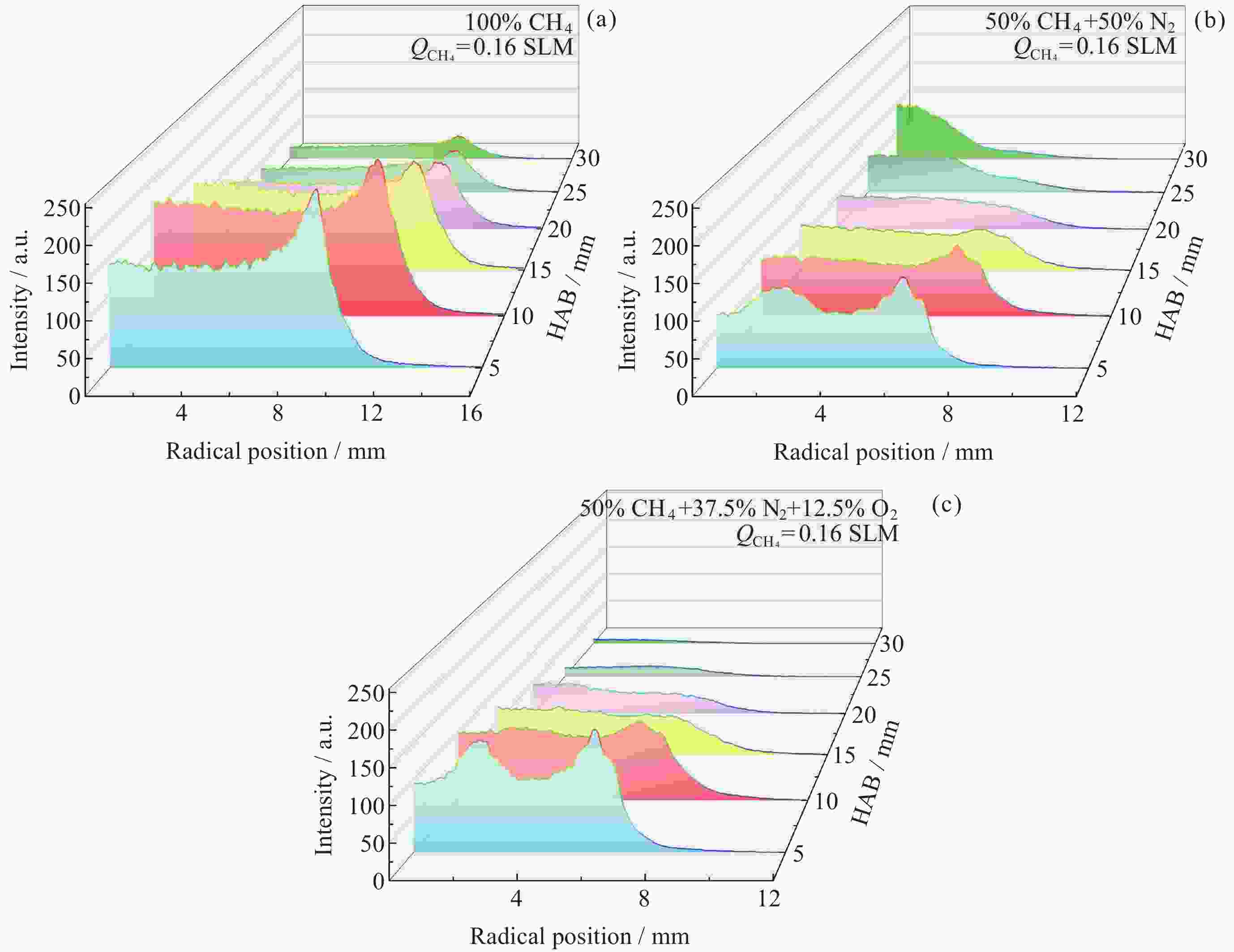
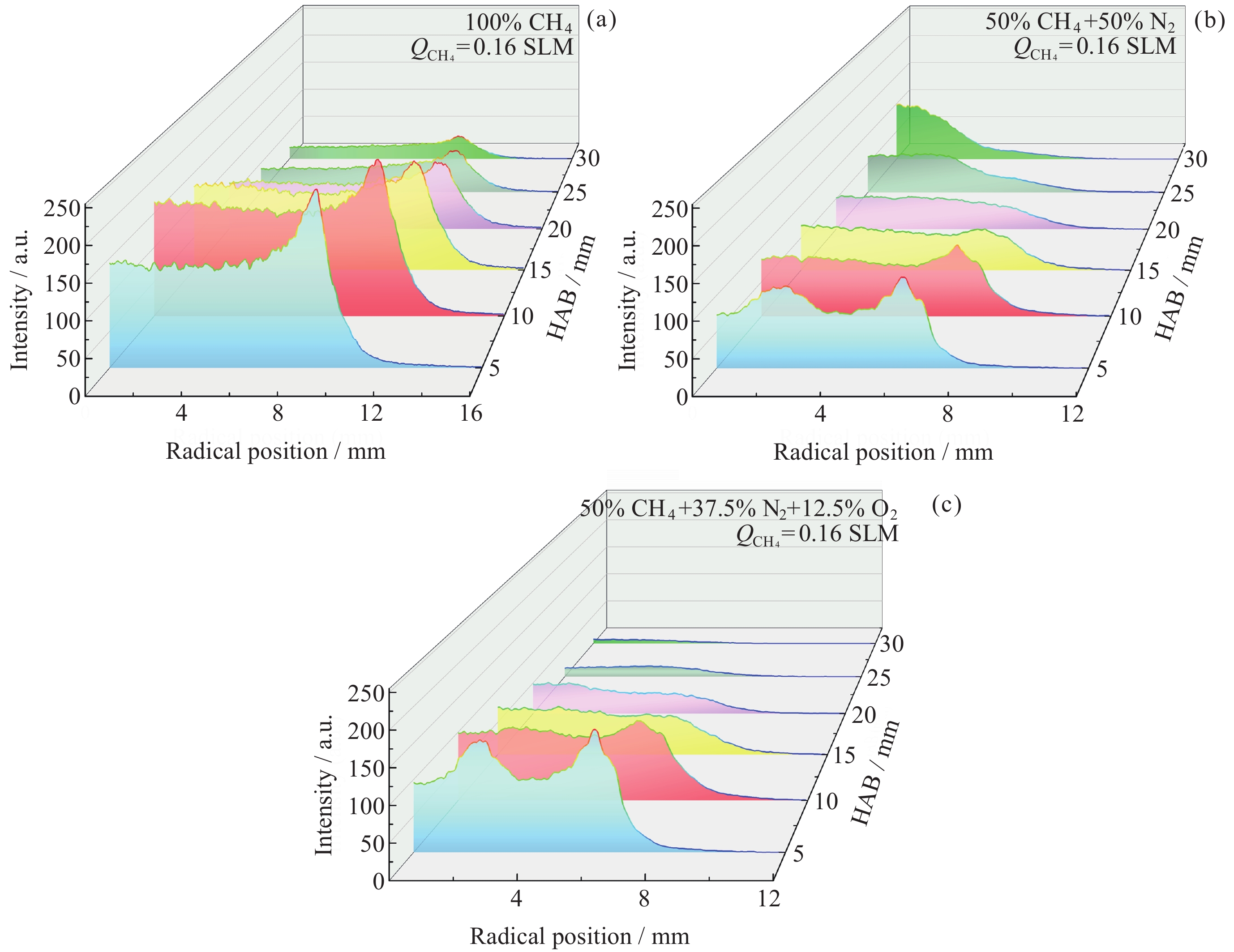
Figure 28. CH* radical intensity with radial position at different heights of the flames
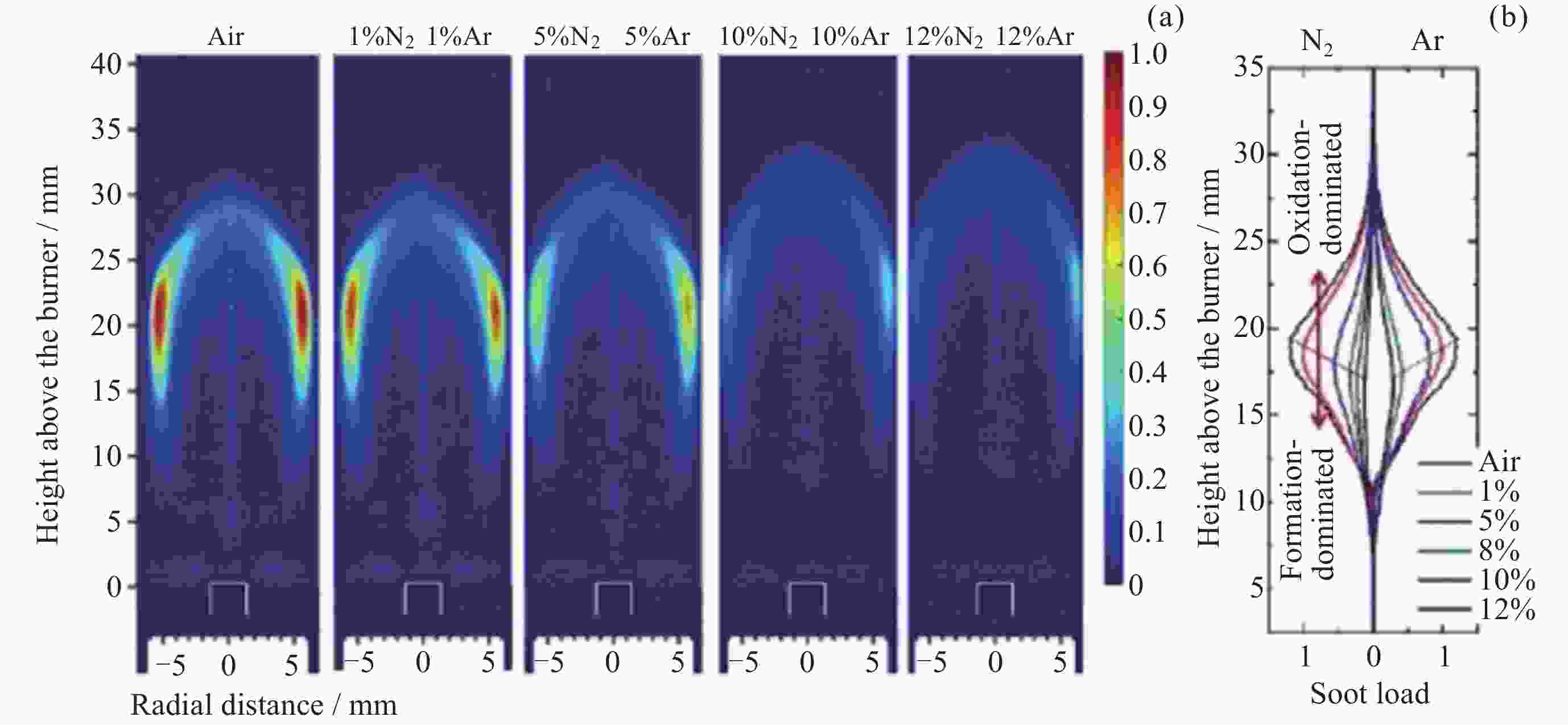
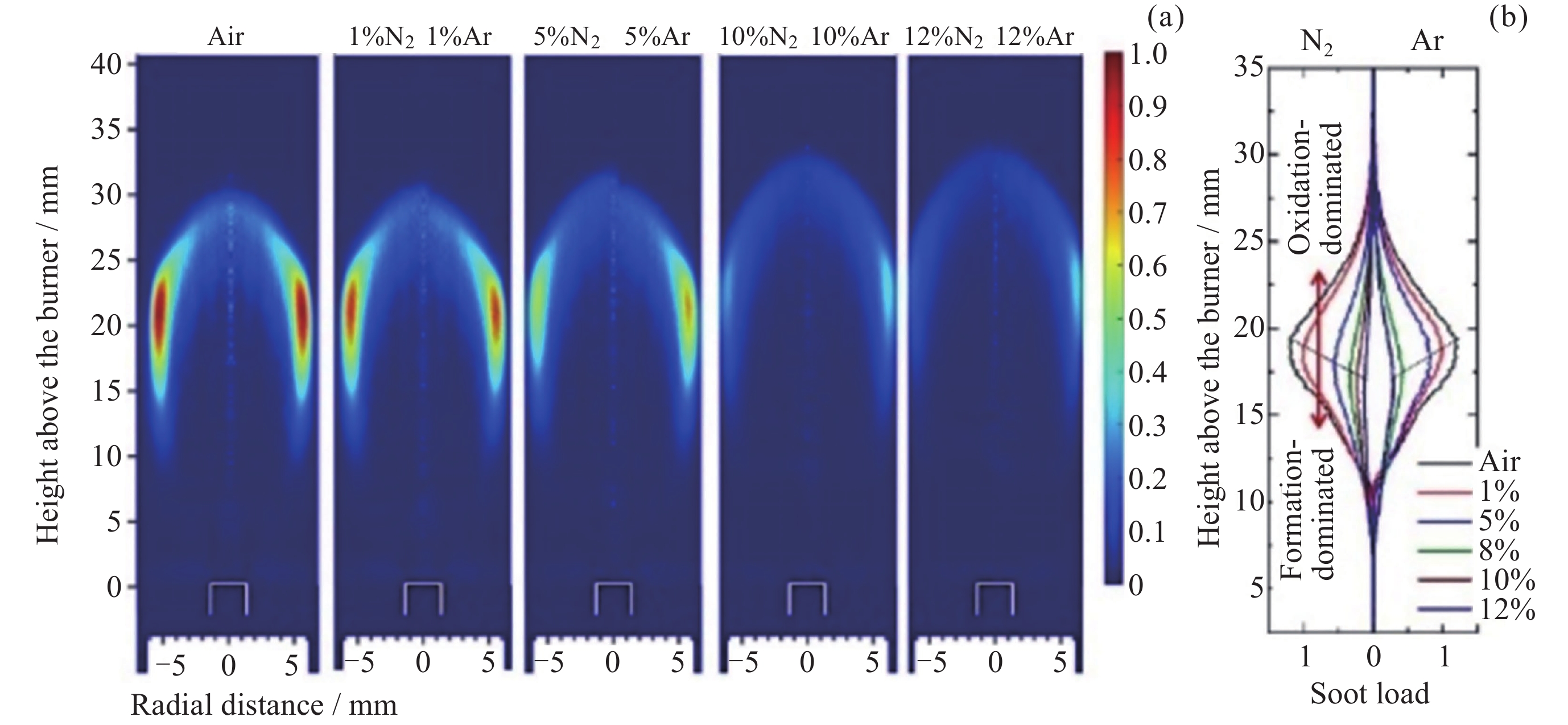
Figure 29. Soot concentration distributions (a) and evolution of soot load (b) under microgravity laminar diffusion flames at various coflowing oxidizer conditions[10,60]
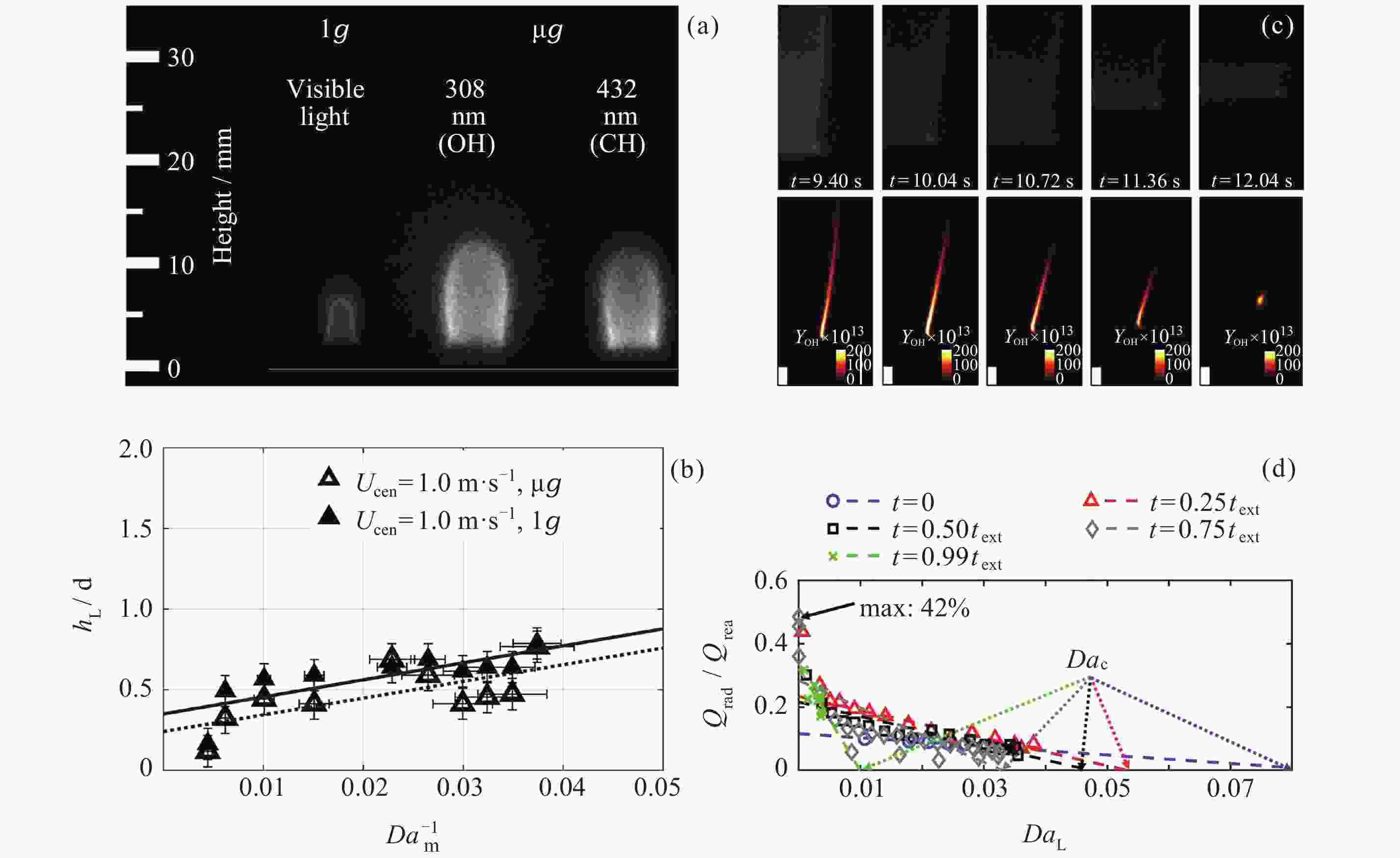
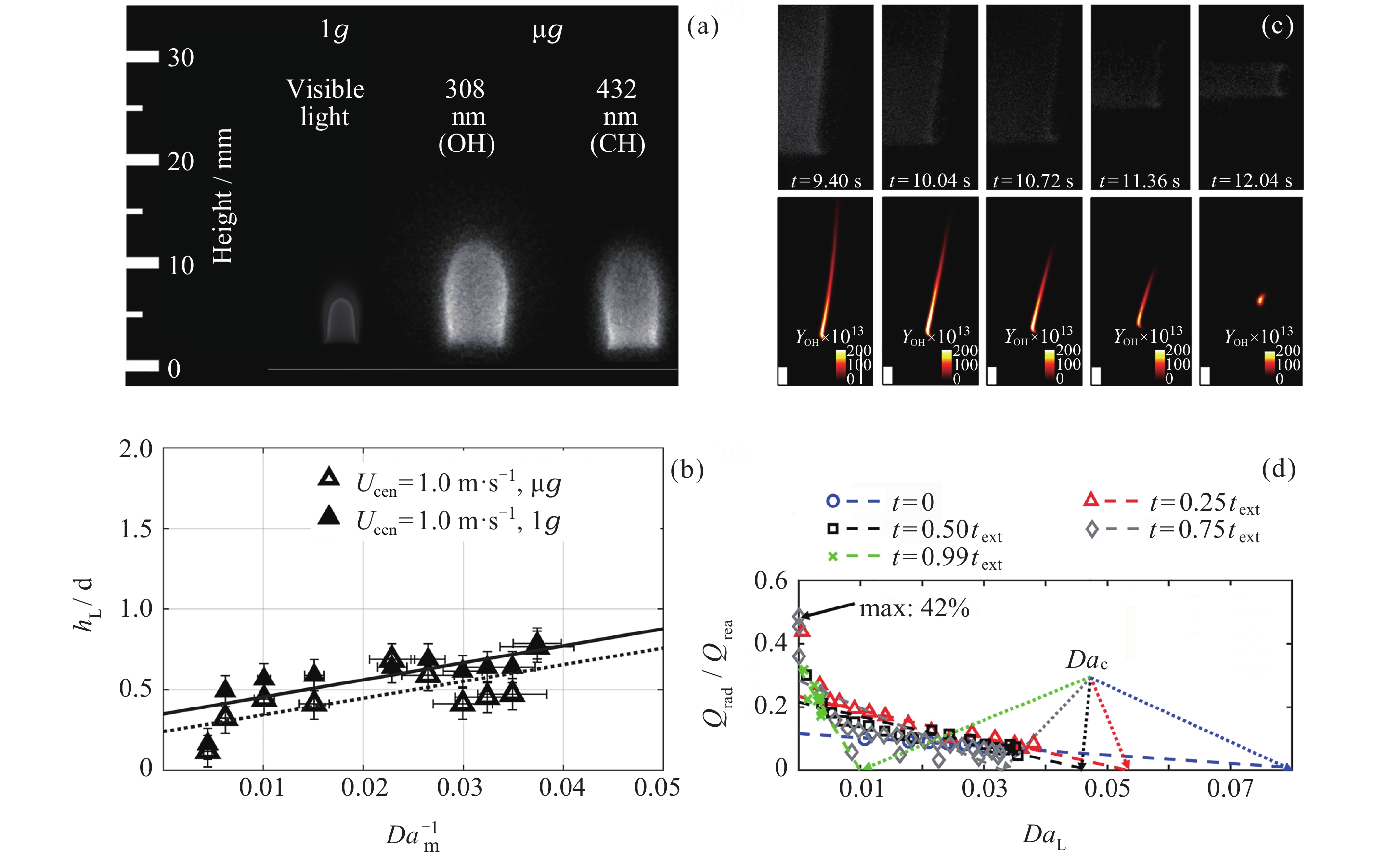
Figure 31. Lift-off stabilization and extinction behaviors of near-limit partially premixed flame under microgravity[6,10]. (a) Lift-off flame in $1\;g $ and μ$g $, (b) flame liftoff height hL over burner size d, i.e., hL/d vs. inverse of mixing Damköhler number Dam−1, (c) extinction of partially premixed flame under microgravity (upper: experiment; lower: simulation), (d) analysis from simulation for Qrad/Qrea (radiative heat loss over total reaction heat release) vs. Damköhler number DaL
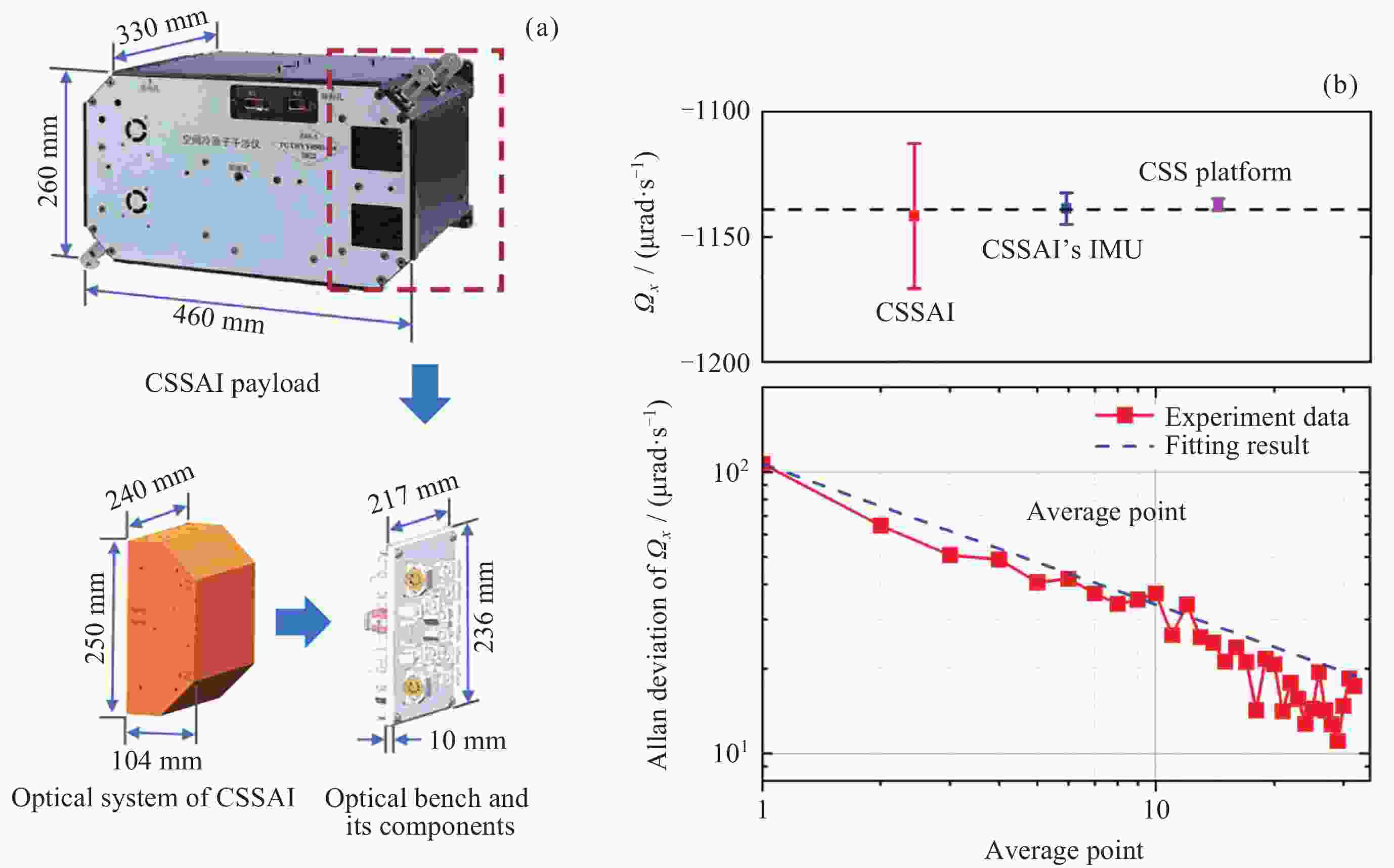
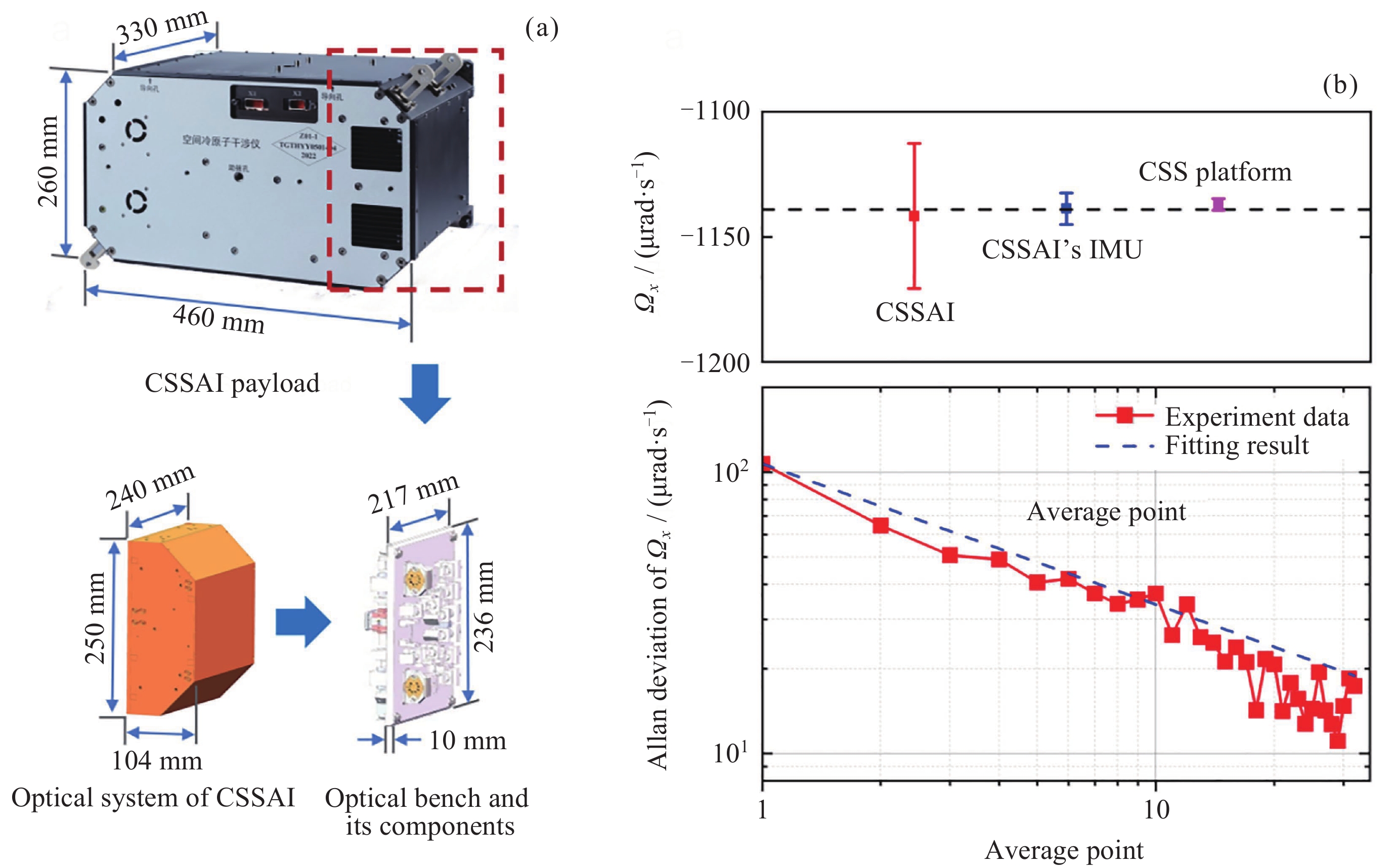
Figure 32. CSSAI and rotation measurement. (a) CSSAI and its optical system[6], (b) rotation measurement in space
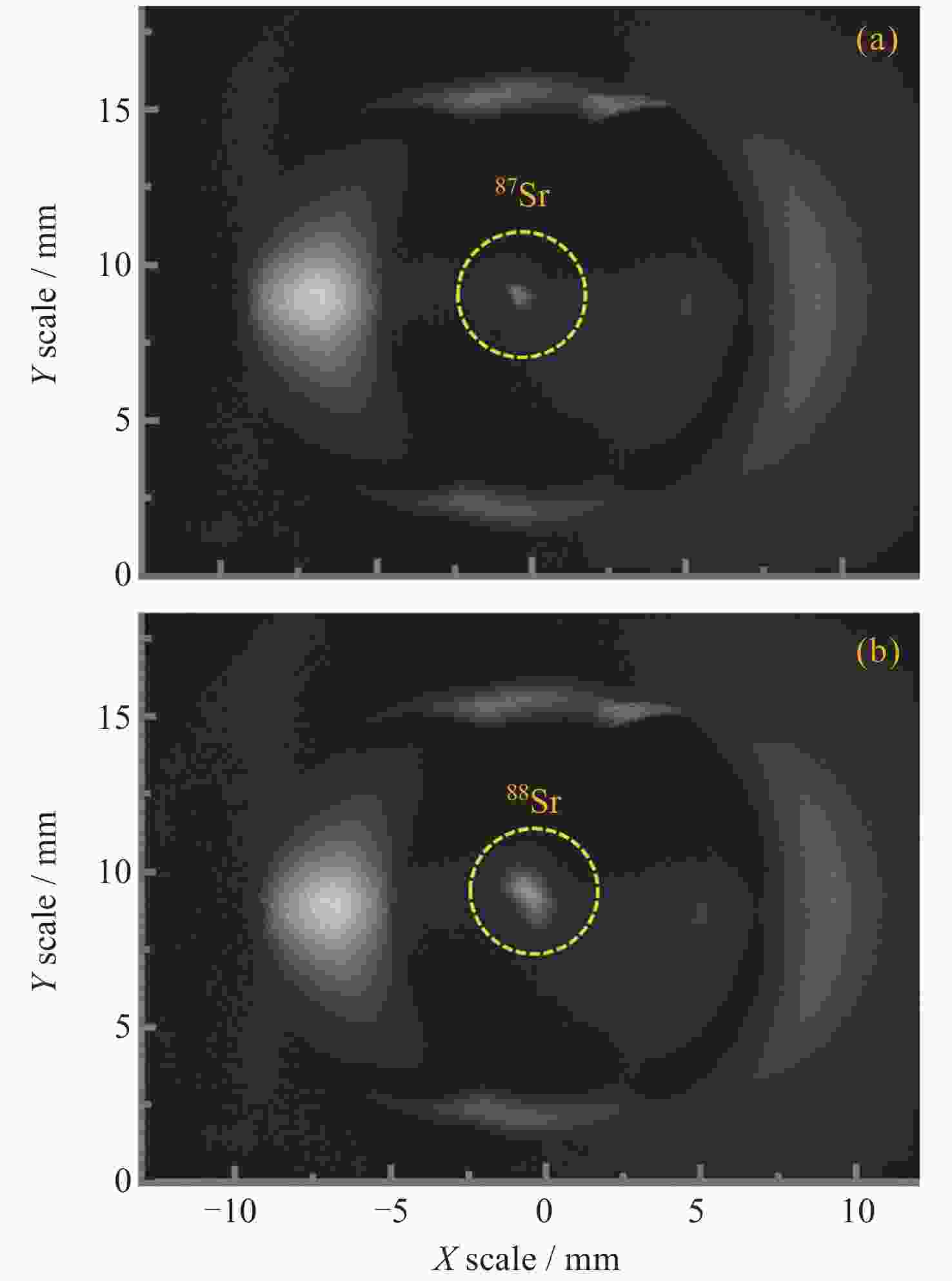
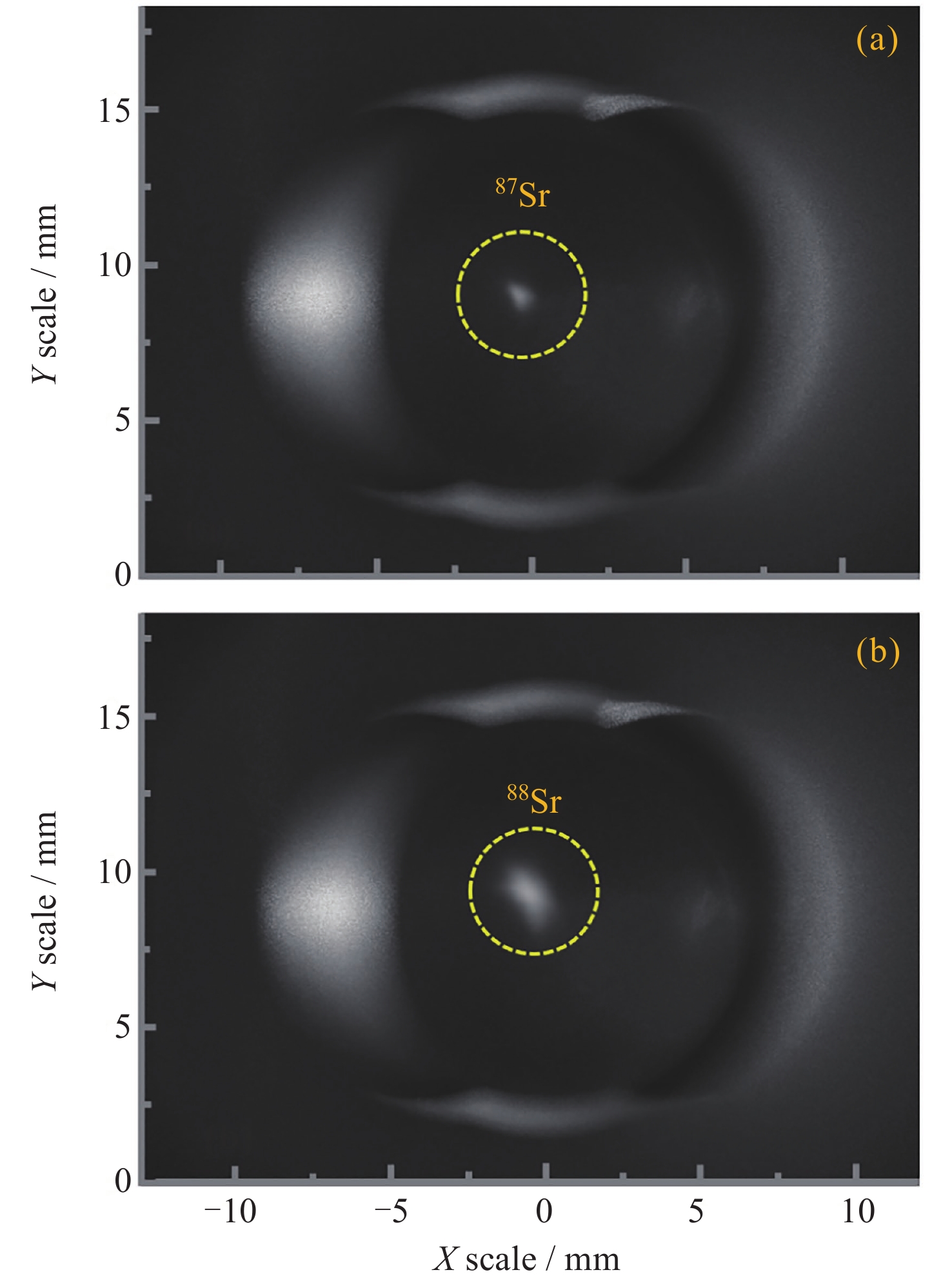
Figure 33. Magneto Optical Trap (MOT) atoms photography shot by the CCD camera[67]. (a) 87Sr MOT atoms, (b) 88Sr MOT atoms
-
[1] ZHOU J P. Chinese Space Station Project Overall Vision[J]. Manned Spaceflight, 2013, 19(2): 1-10 (in Chinese) doi: 10.16329/j.cnki.zrht.2013.02.003 [2] WANG X, WANG W. Key technical characteristics of the Tiangong Space Station[J]. SCIENTIA SINICA Technologica, 2021, 51: 1287-1298. (in Chinese) doi: 10.1360/SST-2021-0304 [3] GU Y D. The China Space Station: a new opportunity for space science[J]. National Science Review, 2022, 9: nwab219 doi: 10.1093/nsr/nwab219 [4] GU Y D, GAO M, ZHAO G H. Space research plan of China’s Space Station[J]. Chinese Journal of Space Science, 2016, 36(05): 595-599 [5] GU Y D, GAO M, ZHAO G H. Science research and utilization planning of China’s Space Station in operation period 2022―2032[J]. Chinese Journal of Space Science, 2020, 40(5): 609-614 doi: 10.11728/cjss2020.05.609 [6] China Manned Space Agency. Report on Scientific Research and Application Progress of the China Space Station (2024) [EB/OL]. 2024-12-30 [2026-04-30]. https://www.cmse.gov.cn/xwzx/202412/W020241231661310955564.pdf (in Chinese) [7] YAN Gong, MIAO Haitao, ZHAN Hu, et al. Introduction to the Chinese Space Station Survey Telescope (CSST) [J]. SCIENCE CHINA Physics, Mechanics & Astronomy, 2026, 69(3): 239501. DOI: 10.1007/s11433-025-2809-0 [8] ZHANG S N, DONG Y W, GAO X H, et al. The High Energy Cosmic-Radiation Detection (HERD) facility in space[J]. Manned Spaceflight, 2015, 21(1): 69-74 doi: 10.16329/j.cnki.zrht.2015.01.013 [9] China Manned Space Agency, Press conference held for the Shenzhou-17 manned space mission [EB/OL]. CMSA. 2023-10-25[2026-05-12]. https://www.cmse.gov.cn/xwzx/202310/t20231025_54498.html (in Chinese) [10] China Manned Space Agency. Report on Scientific Research and Application Progress of the China Space Station (2025) [EB/OL]. 2026-01-08 [2026-04-30]. https://www.cmse.gov.cn/xwzx/202601/W020260108444152803150.pdf (in Chinese) [11] GU Y D, GAO M, ZHAO G H, et al. Recent progress in space science and applications on Chinese Space Station in 2022-2024[J]. Chinese Journal of Space Science, 2024, 44(4): 607-621 [12] YUAN R, SUN H Y, ZHANG Q, et al. Gas purification technology suitable for space mice cultured in sealed box[J]. Processes, 2025, 13(10): 3277 doi: 10.3390/pr13103277 [13] CAIN J C, FERGUSON B B, MOZZONI D. An n = 90 internal potential function of the Martian crustal magnetic field[J]. Journal of Geophysical Research Planets, 2003, 108: 1-19 doi: 10.1029/2000je001487 [14] SINČÁK M, SEDLAKOVA-KADUKOVA J. Hypomagnetic fields and their multilevel effects on living organisms[J]. Processes, 2023, 11(1): 282 doi: 10.3390/pr11010282 [15] BERGUIG M S, HAMOUDI M, LEMOUËL J L, et al. Validate global mapping of internal lunar magnetic field[J]. Arabian Journal of Geosciences, 2011, 6: 1063-1072 doi: 10.1007/s12517-011-0406-4 [16] LI S Y, LIU K, WANG H, et al. Pose estimation and tracking dataset for multi-animal behavior analysis on the China Space Station[J]. Scientific Data, 2025, 12(1): 766 doi: 10.1038/s41597-025-05111-8 [17] ZHOU Z, LI S Y, LV Y X, et al. A deep learning framework for multi-object tracking in space animal behavior studies[J]. Animals, 2025, 15(16): 2448 doi: 10.3390/ani15162448 [18] LIU K, LI S Y, LV Y X, et al. Structure-aware multi-animal pose estimation for space model organism behavior analysis[J]. Animals, 2025, 15(21): 3139 doi: 10.3390/ani15213139 [19] XIE J Y, ZHU J C, WANG L H, et al. Potential regulatory modules to integrate microgravity signals into flowering pathways in Arabidopsis thaliana grown in space[J]. ResearchGate, 2025, 11: 87. DOI:10.1038/s41526-025-00539-z [20] XIE J Y, WANG L H, ZHENG H Q. Molecular basis to integrate microgravity signals into the photoperiodic flowering pathway in Arabidopsis thaliana under spaceflight condition[J]. International Journal of Molecular Sciences, 2022, 21(1): 63. DOI:10.3390/ijms23010063 [21] WANG L H, XIE J Y, MOU C H, et al. Transcriptomic analysis of the interaction between FLOWERING LOCUS T induction and photoperiodic signaling in response to space flight[J]. Frontiers in Cell and Developmental Biology, 2022, 9: 813246 doi: 10.3389/fcell.2021.813246 [22] JIA C X, ZHENG W B, LIU F W, et al. Biological culture module for plant research from seed-to-seed on the Chinese Space Station[J]. Life Science in Space Research, 2024, 42: 47-52 doi: 10.1016/j.lssr.2024.04.005 [23] WU Y Y, XIE J Y, WANG L H, et al. Circumnutations and growth of inflorescence stems of Arabidopsis thaliana in response to microgravity under different photoperiod conditions[J]. Life (Basel), 2020, 10(3): 26 doi: 10.3390/life10030026 [24] LI N, ZHANG X Y, LUO H, et al. Shear flow alleviates spaceflight-induced hepatic lipid dysregulation via suppression of SREBP mechanotransduction [J]. Science Bulletin, 2026. DOI: 10.1016/j.scib.2026.01.072 [25] LI Y, XUE L M, WANG F J, et al. , Lactylation of mTOR enhances autophagy in skeletal muscle during exercise[J]. Cell Chemical Biology, 2025. 32(11): 1367-1380 e5. DOI: 10.1016/j.chembiol.2025.10.007 [26] KONG W Q, MA M, LI Z Y, et al. Comprehensive analysis of miRNA expression, secretion profile, and functional network during myogenesis in response to spaceflight[J]. NPJ Microgravity, 2026, DOI: 10.1038/s41526-026-00632-x [27] NIU Z M, YAN Y, LIU W, et al. Aberrant miR-378 expression promotes hepatic lipid accumulation via hijacking the bile acid-regulated autophagy[J]. Life Metabolism, 2026, 5(1): loaf038 [28] MA M, MA R S, LI Z Y, et al. NAD+ subcellular partitioning mediated by miR-183 and miR-96 regulates muscle stem cell differentiation[J]. Journal Molecular Cell Biology, 2026, mjag015 [29] LI Z Y, MA M, MA R S, et al. , MRG15 decline in aged/injured MuSCs hinders regeneration via differentiation defects[J]. Cell Regeneration, 2026, 15(1): 8 doi: 10.1186/s13619-026-00279-9 [30] XIN Y H, XIAN R Q, YANG Y G, et al. Structural and functional insights into the T-even type bacteriophage topoisomerase II[J]. Nature Communications, 2024, 15: 8719-8733 doi: 10.1038/s41467-024-53037-3 [31] DING R W, QIU S W, GUO X F, et al. Space ionizing radiation triggers the formation of peptides and organophosphates on olivine surfaces[J]. Nature Communications, 2026, 17: 3210. DOI:10.1038/s41467-026-69575-x [32] LIU Y, YING J X, DING K, et al. Origin of life experiments onboard Tiangong[J]. Nature astronomy, 2024, 8: 1343 doi: 10.1038/s41550-024-02368-8 [33] LI Z J, ZHAO L, ZHANG G, et al. Optimized combination methods for exploring novel space environment-responsive genes and their roles: Insights from space-flown C. elegans and their implications for astronauts[J]. International Journal of Radiation Biology, 2025, 101: 891-911 doi: 10.1080/09553002.2025.2519561 [34] ZHANG G, ZHAO L, LI Z J, et al. Integrated spaceflight transcriptomic analyses and simulated space experiments reveal key molecular features and functional changes driven by space stressors in space-flown C. elegans[J]. Life Sciences in Space Research, 2025, 44: 10-22 doi: 10.1016/j.lssr.2024.11.004 [35] ZHANG Y, ZHAO L, SUN Y Q. Using single-sample networks to identify the contrasting patterns of gene interactions and reveal the radiation dose-dependent effects in multiple tissues of spaceflight mice[J]. npj Microgravity, 2024, 10: 45 doi: 10.1038/s41526-024-00383-7 [36] ZHANG Y, DU X H, ZHAO L, et al. Construction of dose prediction model and identification of sensitive genes for space radiation based on single-sample networks under spaceflight conditions[J]. International Journal of Radiation Biology, 2024, 100(5): 777-790 [37] ZHANG Y, ZHAO L, DU X H, et al. Integrating single-sample networks and genetic algorithm to estimate radiation dose in multiple tissues of mice under space environment[J]. Radiation Research, 2026, 205(6): 582-596 [38] LIAO H, WANG H P, LIU D N et al. Dynamic localization effect of dendritic and eutectic growth patterns stimulated by space fluid flow[J]. Advanced Materials, 2025, 37(47): e08092 doi: 10.1002/adma.202508092 [39] WANG H P, LIAO H, WANG Y B, et al. Solidification mechanism and microstructure evolution of refractory Nb-Si and Nb-Si-Zr alloys aboard China Space Station[J]. SCIENTIA SINICA Technologica, 2025, 55: 1989-2005 doi: 10.1360/SST-2025-0284 [40] WANG H P, LI H Z, ZHENG C H, et al. Eutectic growth kinetics and microscopic mechanical property of refractory Zr57V43 alloy under space and ground conditions[J]. Acta Materialia, 2025, 295: 11 [41] YU J D, ZHANG W, YANG S, et al. Recent advances and future prospects of space materials science[J]. Review of Materials Research, 2025, 1(2): 100065 doi: 10.1016/j.revmat.2025.100065 [42] ZHANG P, ZHANG Y, WANG Z L, et al. 1D and 3D co-simulation and self-adaptive position control of electrostatic levitation in China’s Space Station [J]. NPJ Microgravity, 2022, 8: 29. DOI:10.1038/s41526-022-00215-6 [43] WANG Z H, JIN M, SONG K P, et al. Expanded InSe crystal structure with reduced intrinsic defects for high-performance field-effect transistors[J]. Advanced Materials, 2025, 38(4): e06506 doi: 10.1002/adma.202506506 [44] JIN R, SUI F R, YU Y L, et al. Microgravity-activated high-performance van der Waals InSe ferroelectric semiconductor[J]. Nature Communications, 2026, 17: 3851 doi: 10.1038/s41467-026-70520-1 [45] JIANG H R, GAO Y F, CAO L, et al. Viscosity of a metallic glass-forming liquid by high-rate calorimetry and containerless electrostatic levitation in microgravity[J]. Journal of Materials Science & Technology, 2026, 273: 212-222 doi: 10.1016/j.jmst.2026.02.037 [46] ZHANG Z G, TANG M H, DONG C H, et al. Phase selection and structural evolution in the solidified FeSe0.5Te0.5 superconductor via gradient temperature quenching[J]. Acta Materialia, 2026, 309: 122071 doi: 10.1016/j.actamat.2026.122071 [47] BAI Y Y, LYU H Y, WANG K, et al. The space environment effects and performance evolution of perfluoropolyether-based supramolecular gel lubricants[J]. SCIENTIA SINICA Technologica, 2025, 55(12): 2014-2030 (in Chinese) [48] WANG L C, ZHANG L Q, ZHENG R H, et al. Macroscale superlubrication achieved with shear-thinning semisolid lubricants[J]. Advanced Materials, 2024, 2412257. DOI:10.1002/adma.202412257 [49] ZHOU H W, ZOU S Y, OUYANG W Z, et al. Long-lived metastable bcc phase in the crystallization of charged colloids under microgravity[J]. Journal of Colloid and Interface Science, 2025, 695: 137841 doi: 10.1016/j.jcis.2025.137841 [50] ZHANG L G, XU B, SHI J, et al. Experimental study on condensation heat transfer of FC-72 in a narrow rectangular channel with ellipse-shape pin fins: ground and microgravity experiments[J]. International Journal of Heat and Mass Transfer, 2019, 141: 1272-1287 doi: 10.1016/j.ijheatmasstransfer.2019.06.055 [51] XU B, CHEN Z Q. Condensation on composite V-shaped surface with different gravity in nanoscale[J]. Microgravity Science and Technology, 2019, 31(5): 603-613 doi: 10.1007/s12217-019-09731-9 [52] GUO S, LIU M Q, XU B, et al. Vapor condensation and droplet directional migration on the surface of asymmetric triangular micropillar array structures using a hybrid thermal lattice Boltzmann method[J]. International Communications in Heat and Mass Transfer, 2025, 169: 109557 doi: 10.1016/j.icheatmasstransfer.2025.109557 [53] WANG J, WU D, ZHAO Y F, et al. Spatiotemporal correlation and chaotic dynamics analysis of annular flow with small volume ratio under microgravity[J]. Physics of Fluids, 2026, 38: 014114. doi: 10.1063/5.0308288 [54] WU D, TANG W Z, WANG J, et al. On Chinese space station: pioneering space experiments unraveling the hydrodynamic instability of annular thermocapillary convection[J]. Scientific Reports, 2025, 15: 24807 [55] HOU M Y, CHENG X H, YANG S, et al. Gravity-dependent rate sensitivity in granular intrusion: microgravity experiments and simulations[J]. NPJ Microgravity, 2026, 12: 19 doi: 10.1038/s41526-026-00563-7 [56] YANG S, CHENG X H, HOU M Y, et al. Assessment of the equivalent low-gravity of the granular collapse equipment in the VGR of the Chinese Space Station[J]. Microgravity Science and Technology, 2025, 37: 59 doi: 10.1007/s12217-025-10213-4 [57] CHENG K, HOU M Y, SUN W, et al. Unraveling the role of gravity in shaping intruder dynamics within vibrated granular media[J]. Communications Physics, 2024, 7: 425 doi: 10.1038/s42005-024-01927-9 [58] WANG W J, JIN K R, ZHENG Z H, et al. Research progress on soot formation from C1-C4 hydrocarbon fuel Combustion under microgravity[J]. Journal of Tsinghua University (Science and Technology), 2025, 65(09): 1763-1773 (in Chinese) [59] WANG W J, JIN K R, SHI H Q, et al. Variable gravity combustion: new frontiers in flame studies [J]. NPJ Space Exploration, 2025, 1: 14. DOI:10.1038/s44453-025-00016-7 [60] ZHU F, LI D, WANG S F, et al. Shape and sooting characteristics of methane laminar-jet diffusion flames in microgravity[J]. Chinese Journal of Space Science, 2026, 46(1): 121-130 doi: 10.11728/cjss2026.01.2025-0166 [61] LIU K, ZHU F, WANG S F, et al. Influence of hydrodynamics on soot process in laminar jet diffusion flame[J]. Microgravity Science and Technology, 2025, 37: 42 doi: 10.1007/s12217-025-10196-2 [62] LIU Y S, LI X X, WEN Y Z. et al. Gas jet flame science experiments aboard the China Space Station[J] Journal of Tsinghua University (Science and Technology), 2025, 65(9): 1609-1620 (in Chinese) [63] CHEN T, YU S, LIU Y C. Effects of pressure on propagation characteristics of methane-air edge flames within two-dimensional mixing layers: A numerical study[J]. Fuel, 2021, 301: 120857 doi: 10.1016/j.fuel.2021.120857 [64] WEN Y Z, LI L F, LI X X, et al. Extinction of microgravity partially premixed flame aboard the Chinese Space Station[J]. Proceedings of the Combustion Institute, 2024, 40: 105574. DOI: 10.1016/j.proci.2024.105574 [65] ZHANG D F, LI J T, WANG W Z, et al. Compact and robust design of the optical system for cold atom interferometer in space[J]. Optics Express, 2025, 33(17): 35419-35436 doi: 10.1364/OE.570677 [66] LI J T, CHEN X, ZHANG D F, et al. Realization of a cold atom gyroscope in space[J]. National Science Review, 2025, 12: nwaf012 doi: 10.1093/nsr/nwaf012 [67] ZHAO G D, XIA J, LIU Y, et al. Laser cooling alkaline-earth atoms for optical clock in Chinese Space Station[J]. Chinese Physics Letters, 2025, 42(6): 063701 doi: 10.1088/0256-307X/42/6/063701 [68] XIA J, WANG W H, ZHAO G Z, et al. Optical system for a strontium optical lattice clock aboard the Chinese Space Station[J]. Review of Scientific Instrument, 2025, 96(9): 093201. doi: 10.1063/5.0282958 [69] SHAO C Y, YU C L, HU L L. Radiation-resistant active fibers for space applications[J]. Chinese Journal of Lasers, 2020, 47(5): 0500014 doi: 10.3788/CJL202047.0500014 [70] ZHENG Y, SUN S H, WANG X F, et al. Influence of γ-radiation on the output properties of narrow linewidth fiber laser and photo bleaching effect[J]. High Power Laser and Particle Beams, 2024, 36(12): 8-14 [71] GONG Y L, ZHANG J G, LI W B. Application of optical fiber sensing in health monitoring of aerospace composite structure[J]. Spacecraft Engineering, 2022, 31(5): 60-66 -
-

 下载:
下载:

计量
- 文章访问数: 844
- HTML全文浏览量: 606
- PDF下载量: 40
-
被引次数:
0(来源:Crossref)
0(来源:其他)

