


Insight-HXMT Research Progress in 2024–2026
doi: 10.11728/cjss2026.04.2026-yg09 cstr: 32142.14.cjss.2026-yg09
-
Abstract: Since the launch in 2017 June, Insight-HXMT has been in service smoothly in orbit and its scientific productivity has been particularly high since 2024. Among a total number of 425 papers published so far based on Insight-HXMT data, roughly 150 were published from April 2024 to June 2026, accounting for 35% of the total. These studies cover a variety of scientific subjects, including the basic properties of black holes and neutron stars, the outbursts of accreting black hole and neutron star X-ray binaries, thermal nuclear burst probes, quasi-periodical oscillations, cyclotron resonant scattering features, fast radio bursts and gamma-ray bursts, etc. This paper reviews the overall progress with a focus on some potential breakthroughs.
-
Key words:
- Insight-HXMT /
- Black hole /
- Neutron star /
- Outburst
-
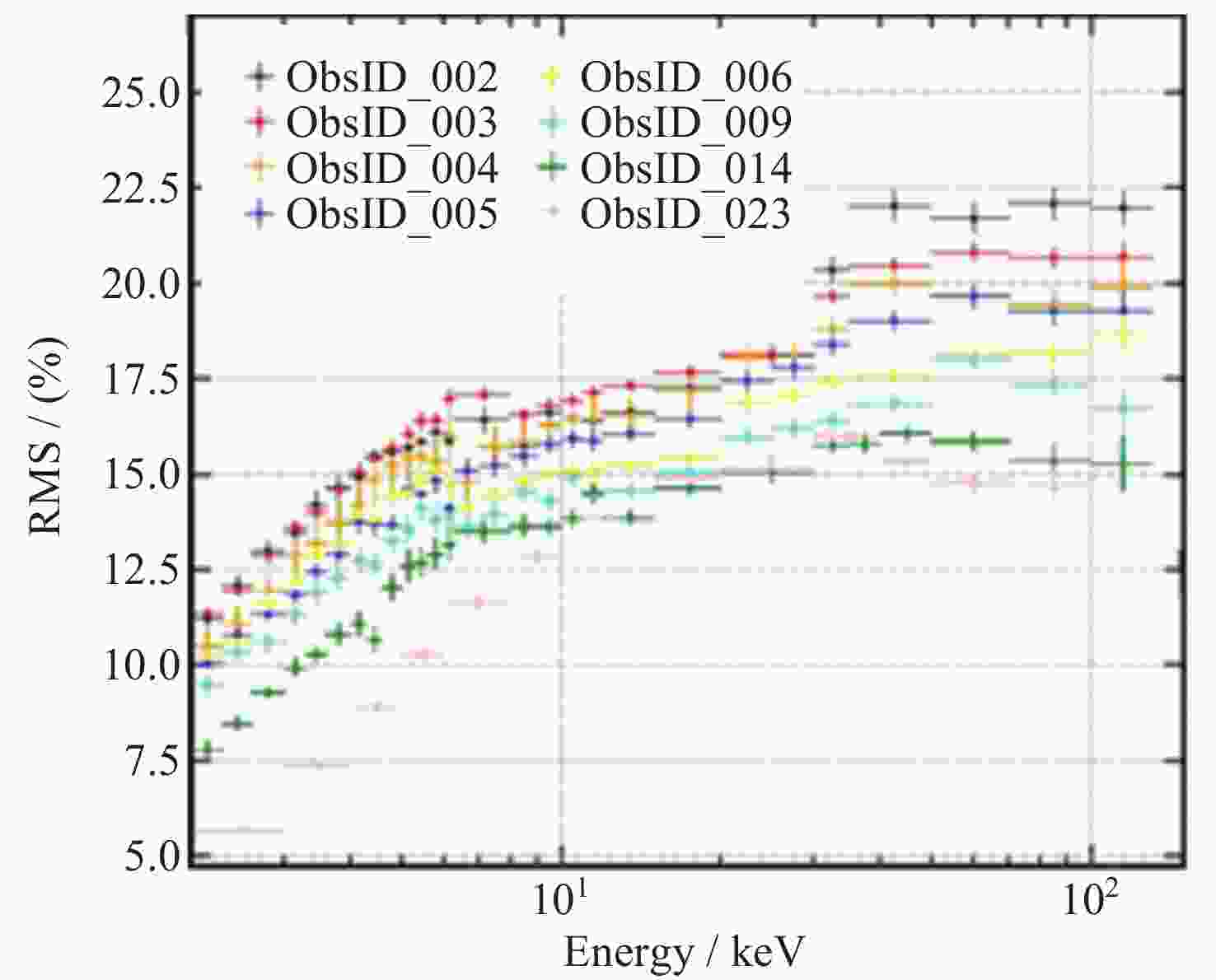
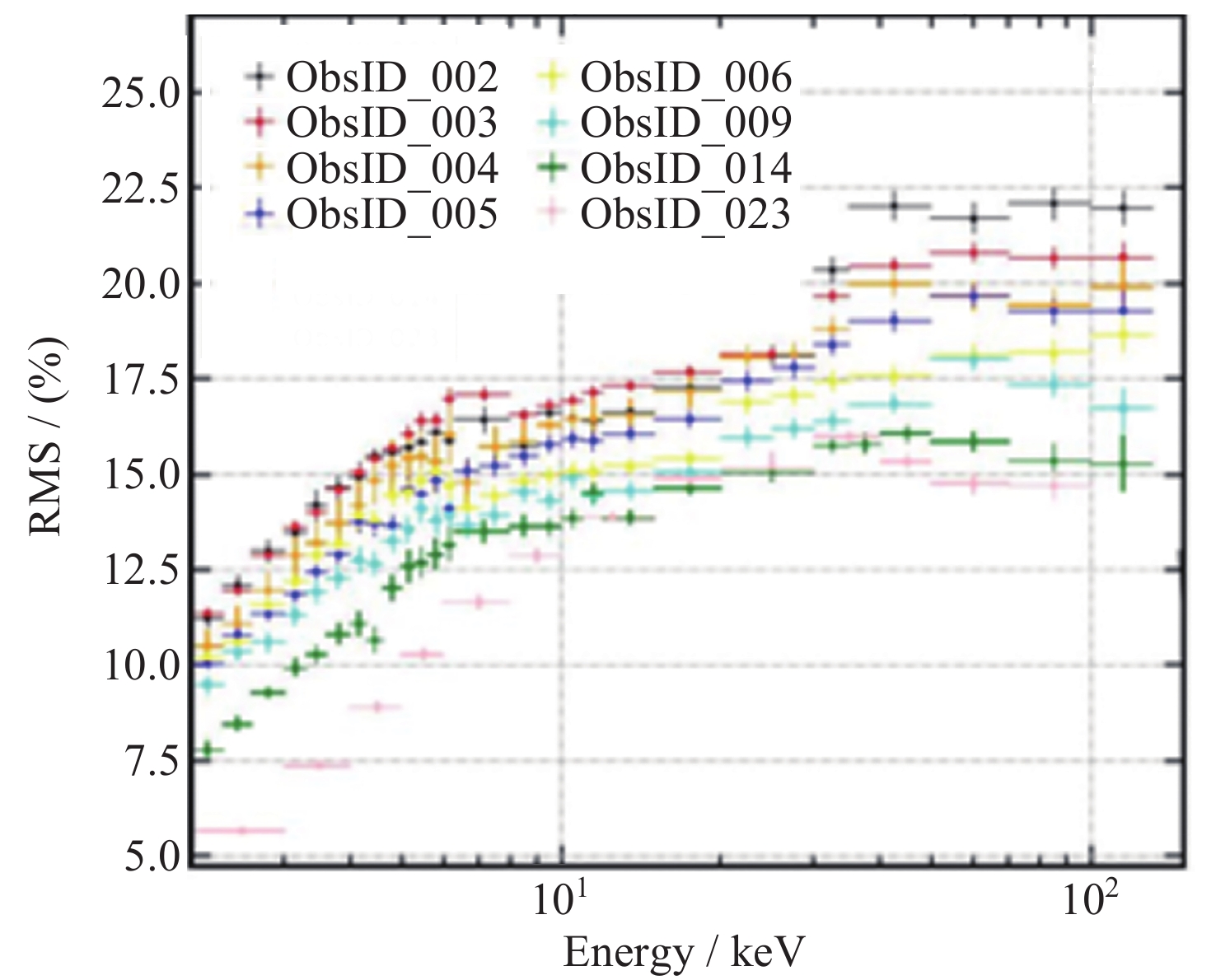
Figure 1. Evolution of QPO RMS spectrum observed by Insight-HXMT during outburst of Swift J1727.8-1613 [18]
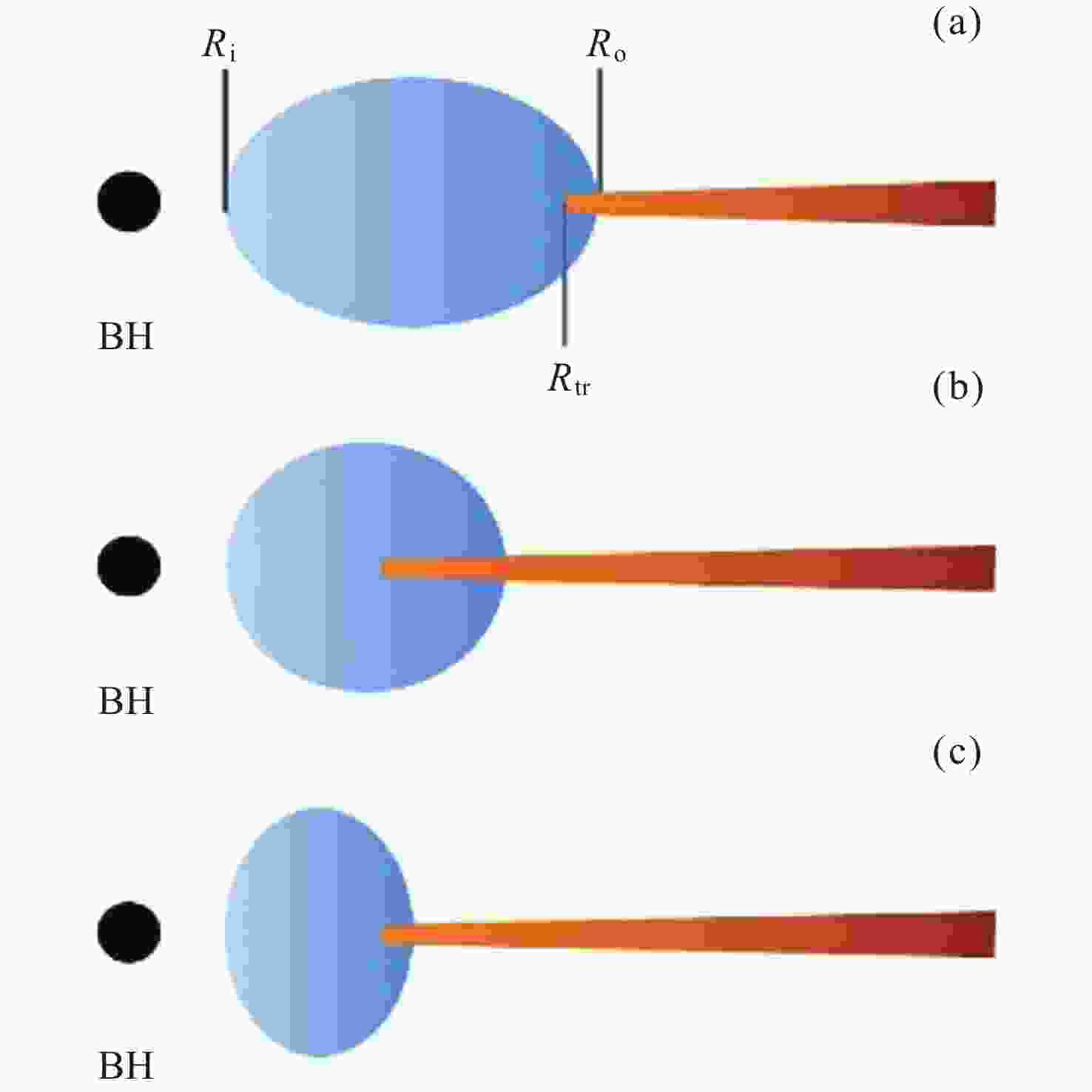
Figure 2. Disk-corona connection introduced to explain the observed QPO frequency evolution[20]
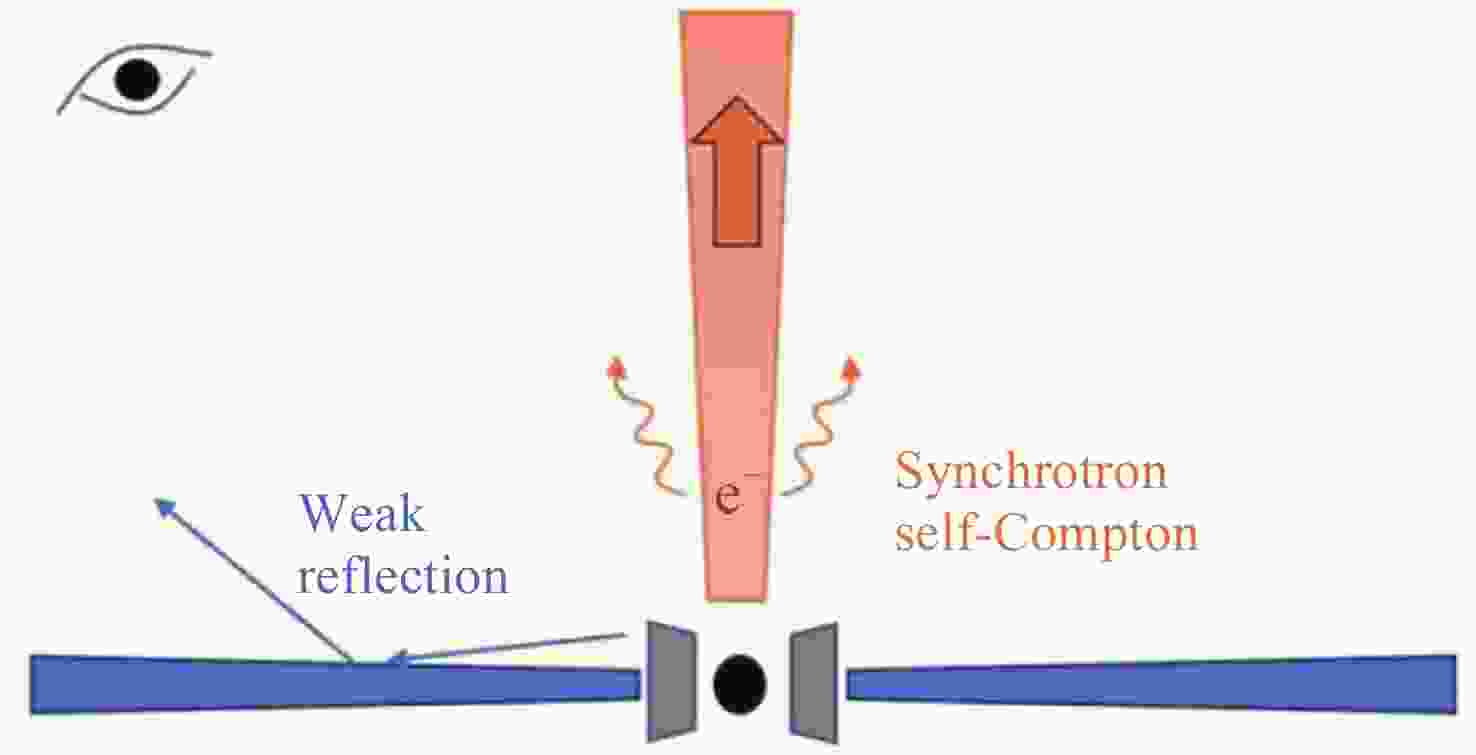
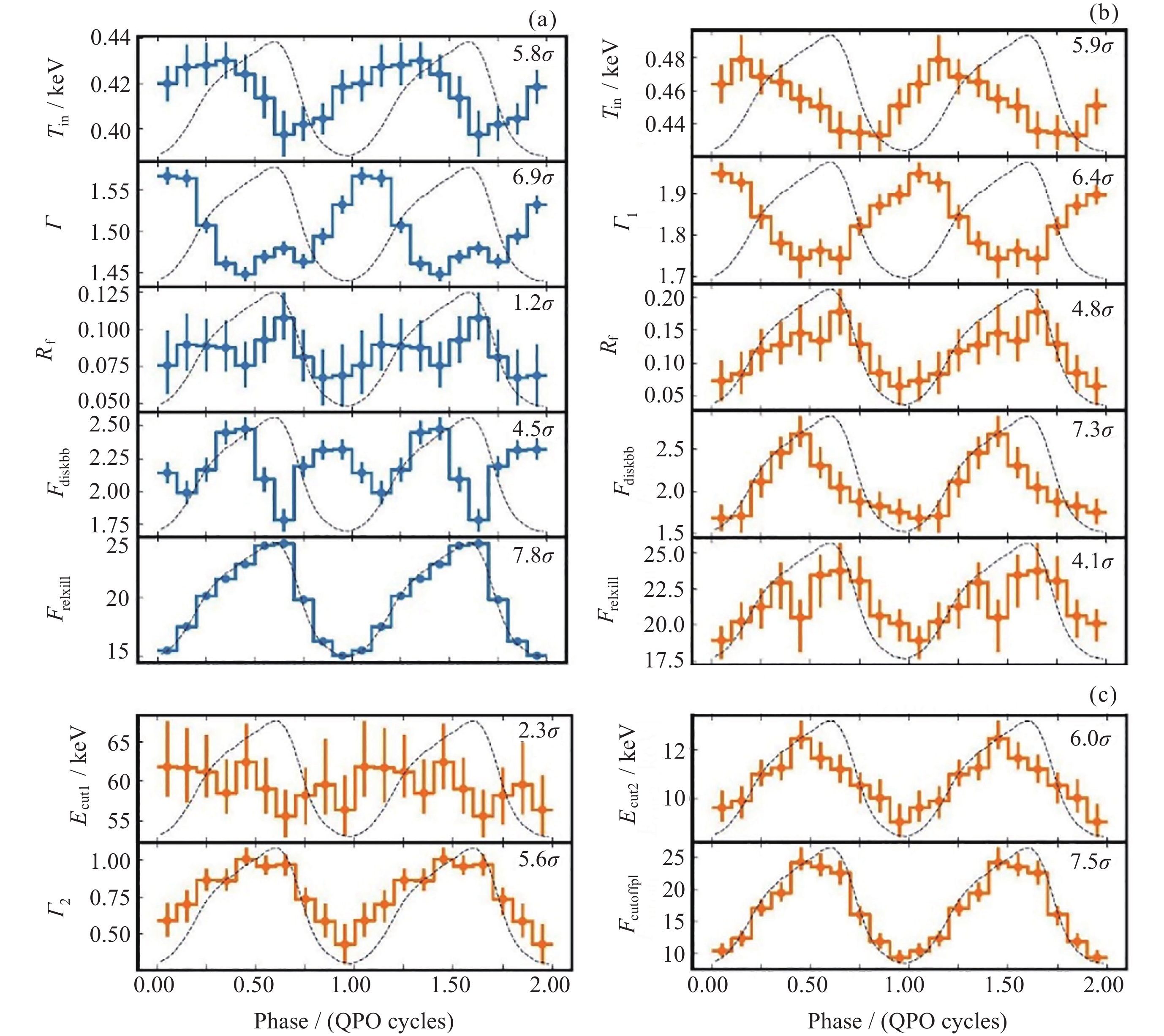
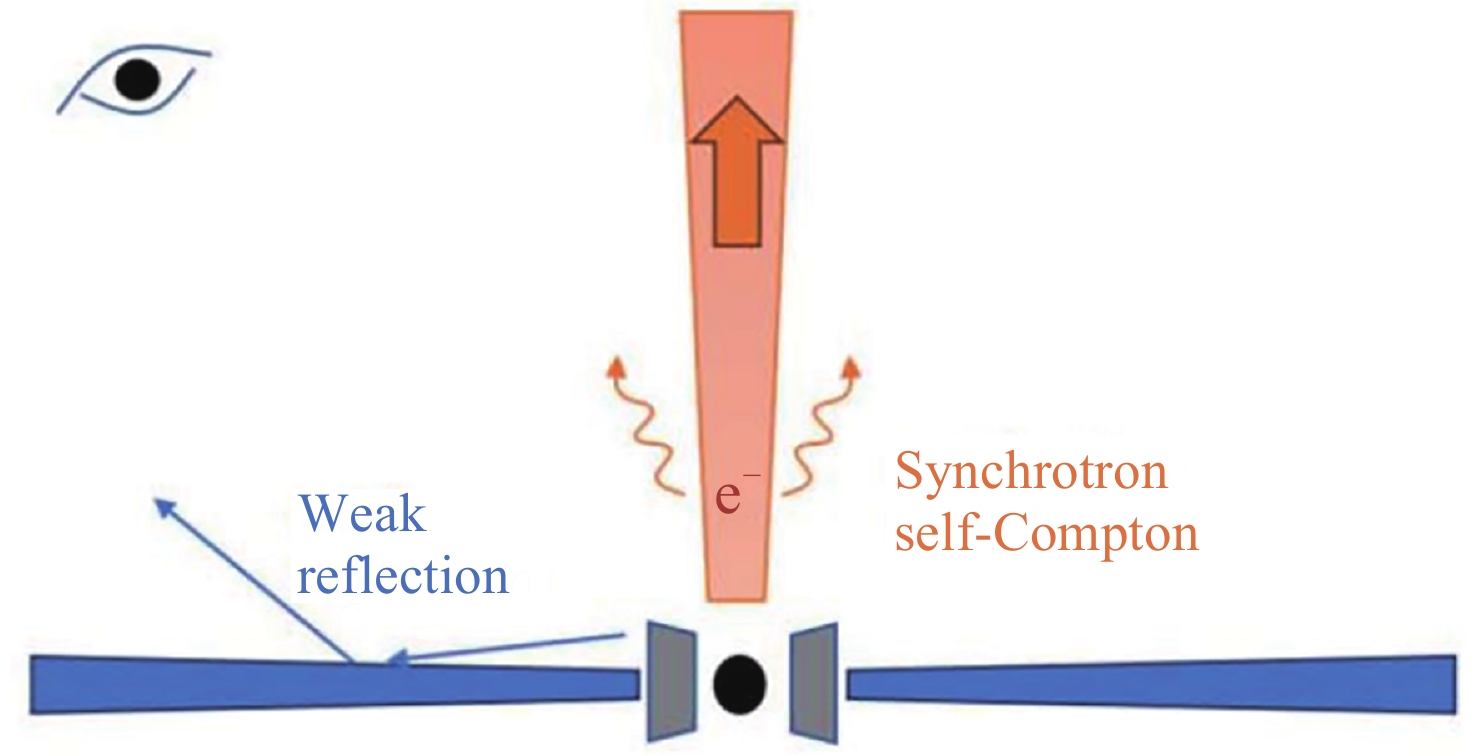
Figure 4. A jet-disk-corona scenario introduced to match the flare properties observed in Swift J1727.8-1613 [26]
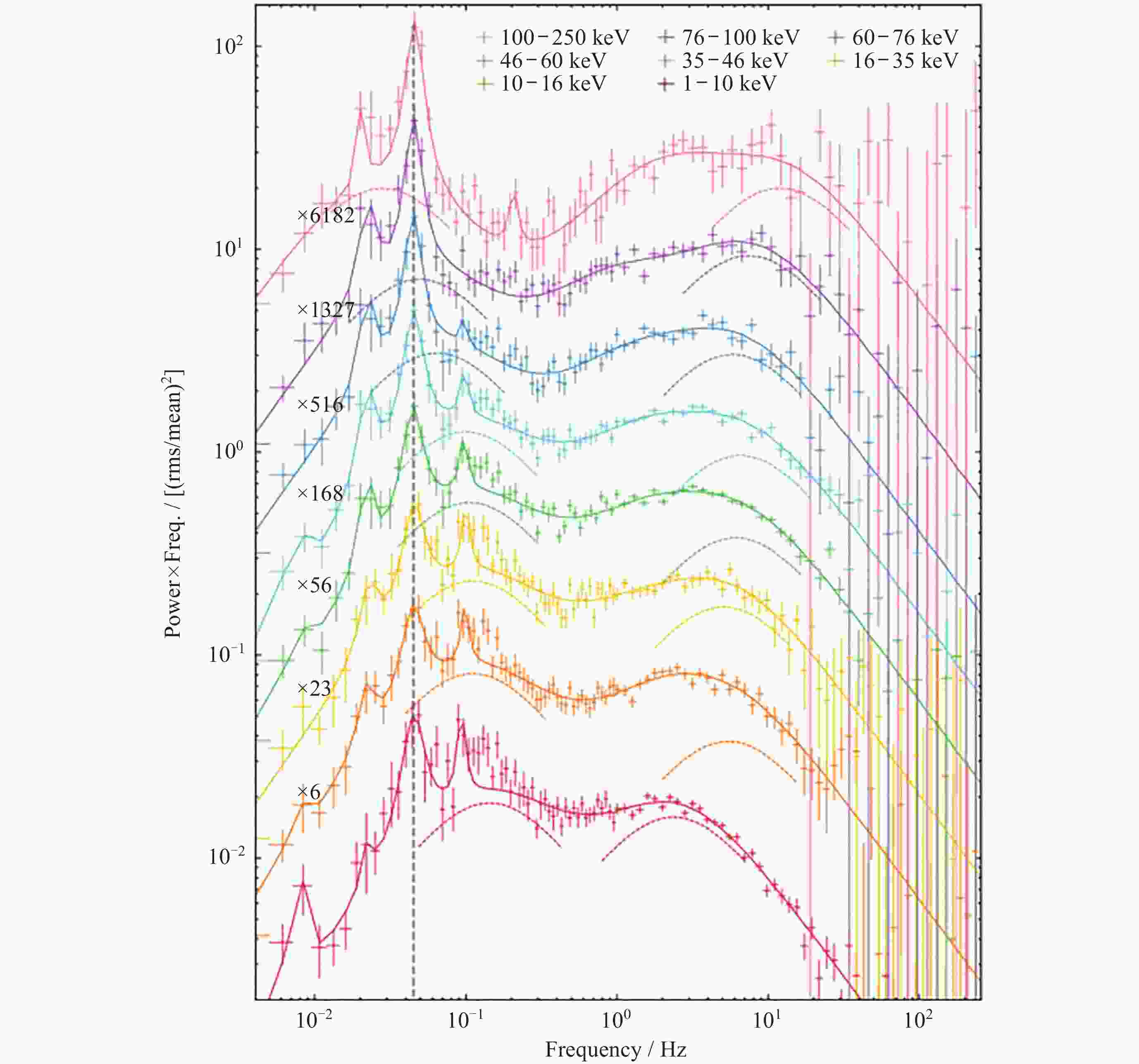
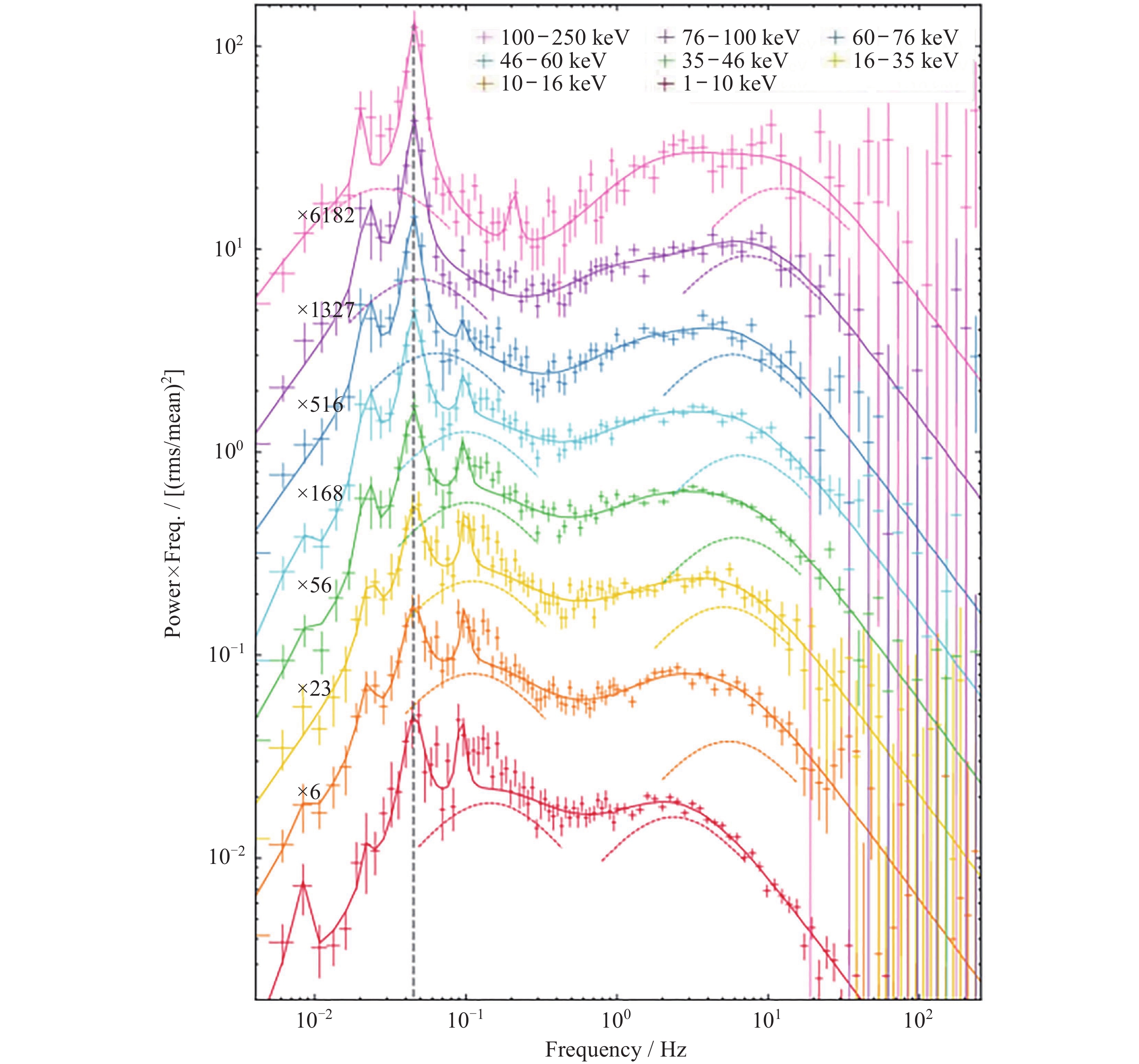
Figure 5. Simultaneous PDS in different energy bands obtained from the Insight-HXMT observation carried out during 27 March 2018 [27]
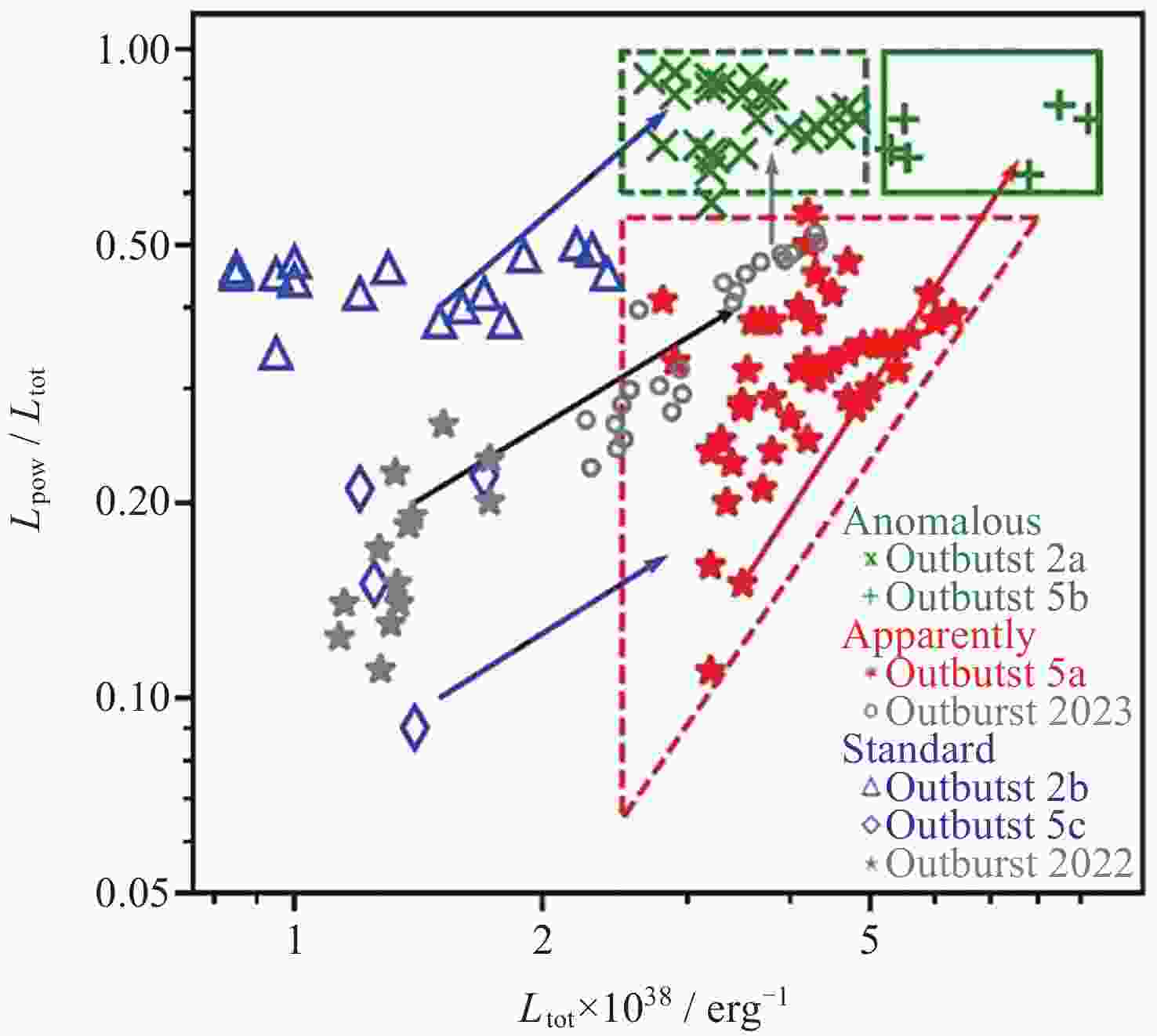
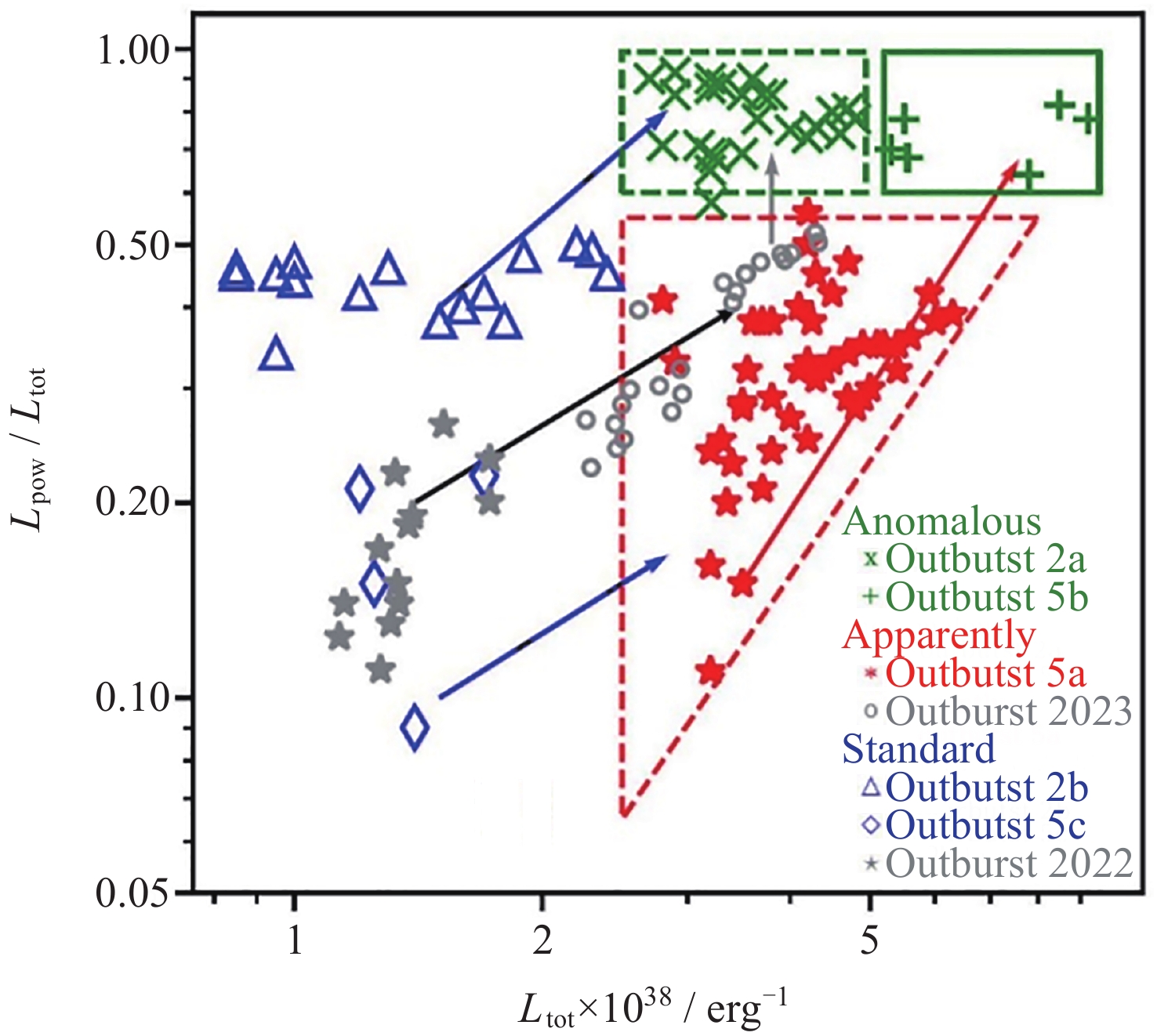
Figure 6. Evolution of the luminosity ratio of the nonthermal to the total luminosity against the total luminosity for different outbursts from 4U 1630-472[30]
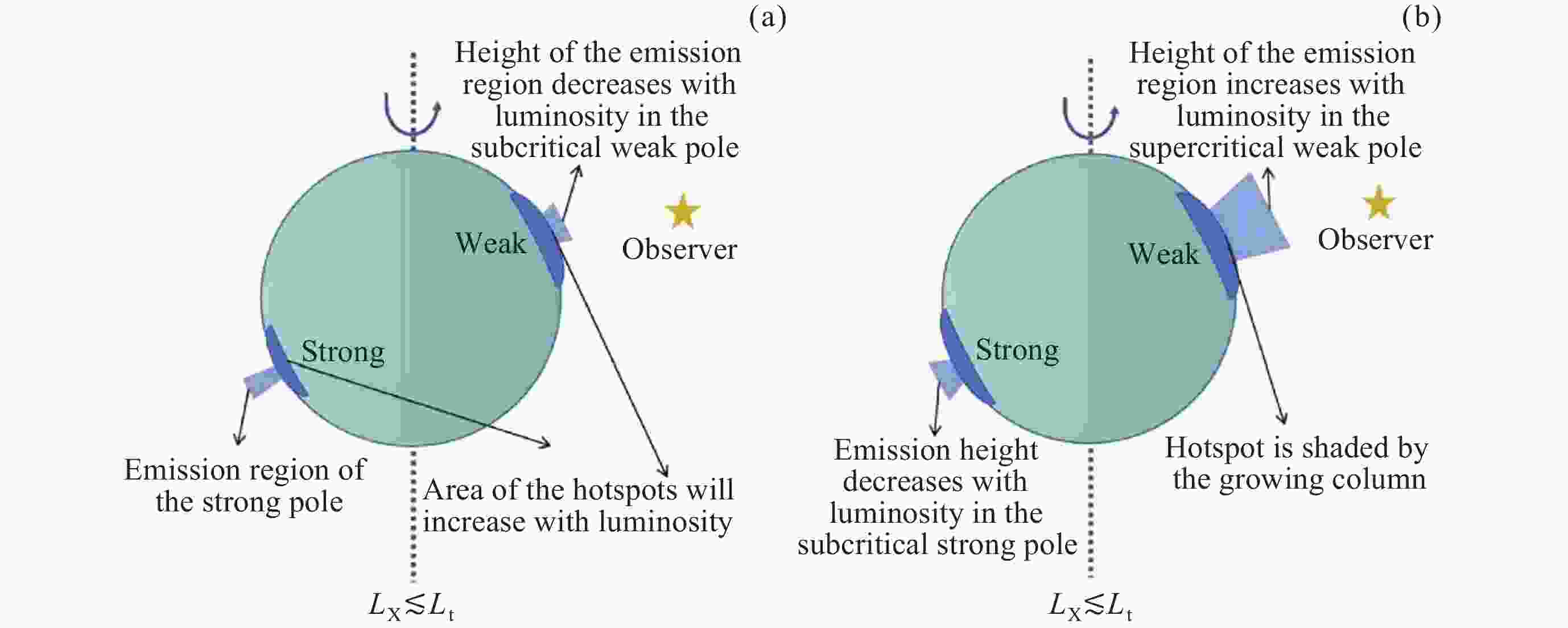
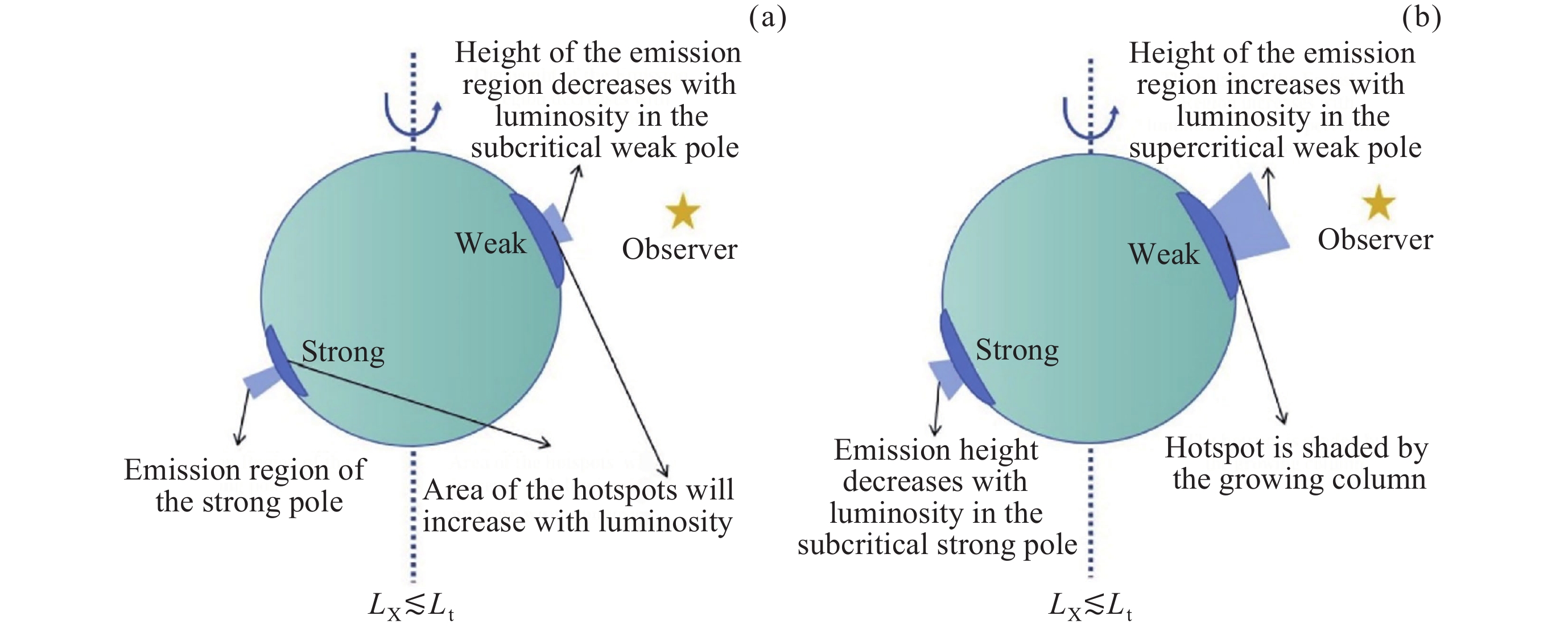
Figure 7. Sketch of the two zones defined by the discovery of an additional critical luminosity during the sub-Eddington regime of Swift J0243.6+6124[34]
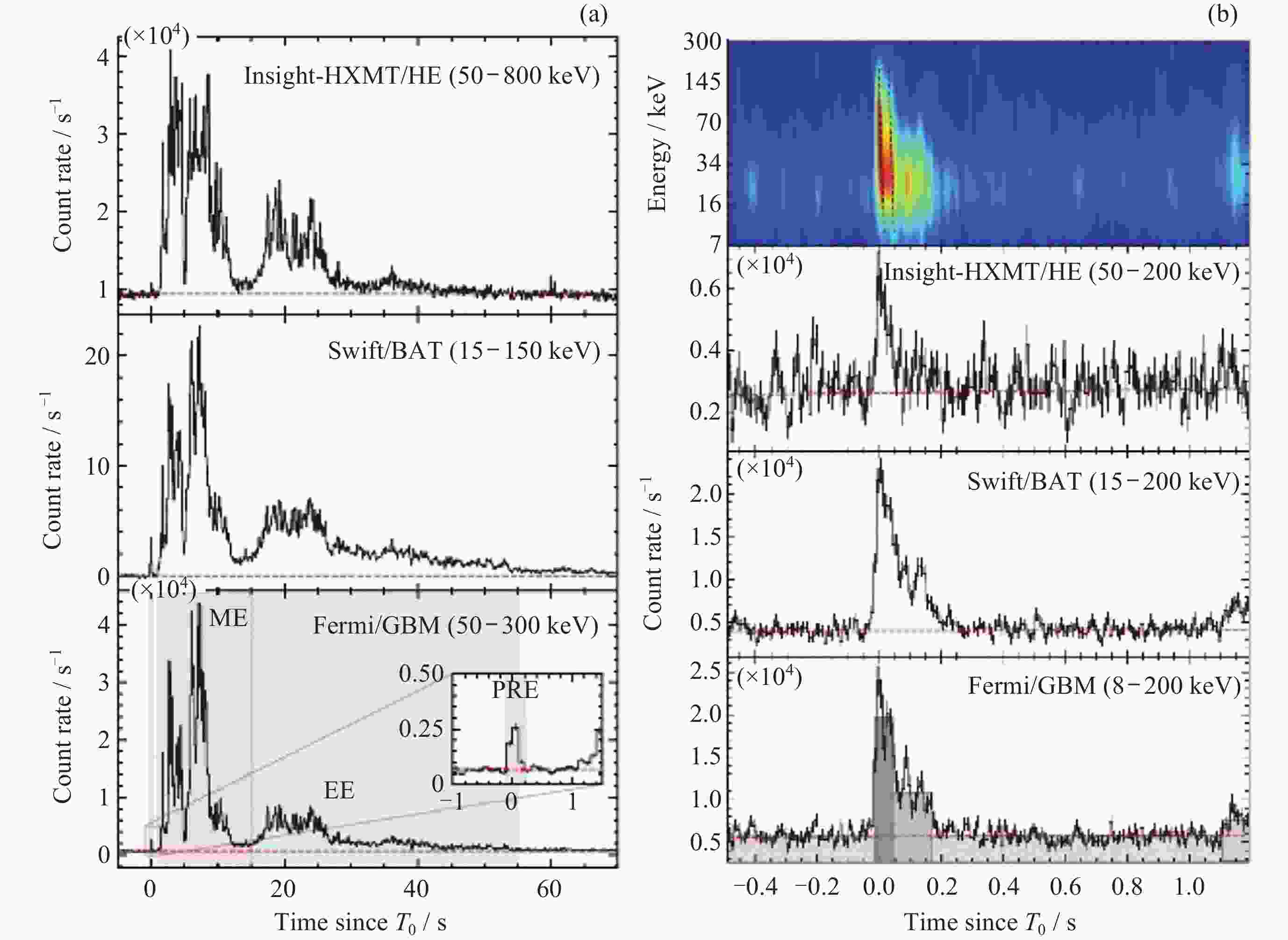
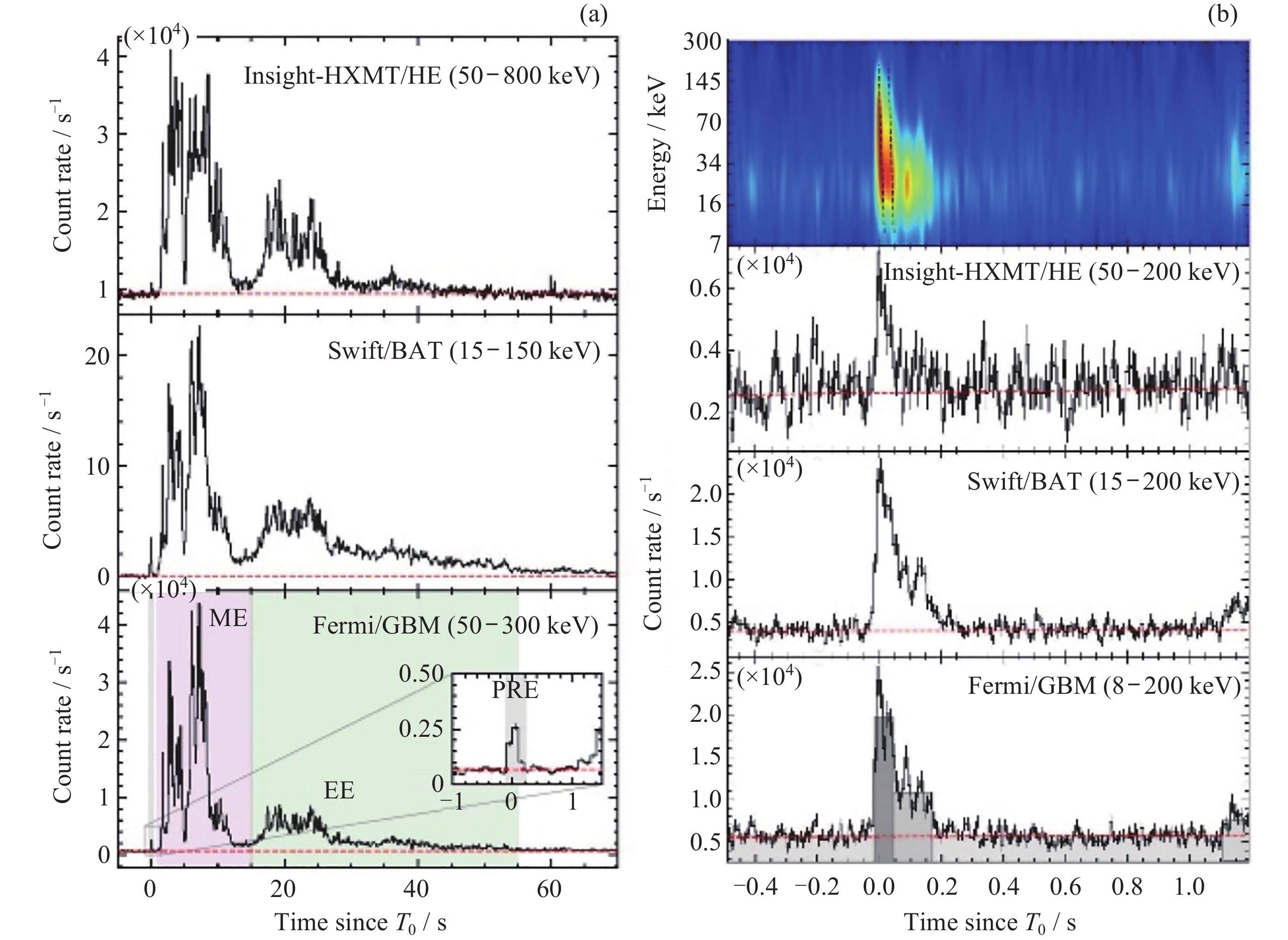
Figure 8. Precursor and main burst of GRB 211211A recorded by different telescopes[43]
-
[1] LIU C Z, ZHANG Y F, LI, X F, et al. The High Energy X-ray telescope (HE) onboard the Insight-HXMT astronomy satellite[J]. Science China Physics, Mechanics & Astronomy, 2020, 63(4): 249503 [2] CAO X L, JIANG W C, MENG B, et al. The Medium Energy X-ray telescope (ME) onboard the Insight-HXMT astronomy satellite[J]. Science China Physics, Mechanics & Astronomy, 2020, 63(4): 249504 [3] CHEN Y, CUI W W, LI W, et al. The Low Energy X-ray telescope (LE) onboard the Insight-HXMT astronomy satellite[J]. Science China Physics, Mechanics & Astronomy, 2020, 63(4): 249505 [4] ZHANG S N, LI T P, LU F J, et al. Overview to the Hard X-ray Modulation Telescope (Insight-HXMT) satellite[J]. Science China Physics, Mechanics & Astronomy, 2020, 63(4): 249502 [5] LI T P, XIONG S L, ZHANG S N, et al. Insight-HXMT observations of the first binary neutron star merger GW170817[J]. Science China Physics, Mechanics & Astronomy, 2018, 61(3): 031011. DOI: 10.1007/s11433-017-9107-5 [6] MA X, TAO L, ZHANG S N, et al. Discovery of oscillations above 200 keV in a black hole X-ray binary with Insight-HXMT[J]. Nature Astronomy, 2021, 5(1): 94-102 [7] YOU B, TUO Y L, LI C Z, et al. Insight-HXMT observations of jet-like corona in a black hole X-ray binary MAXI J1820+070[J]. Nature Communications, 2021, 12(1): 1025 doi: 10.1038/s41467-021-21169-5 [8] SHUI Q C, ZHANG S, ZHANG S N, et al. A phase-resolved view of the low-frequency quasiperiodic oscillations from the black hole binary MAXI J1820+070[J]. The Astrophysical Journal, 2023, 957(2): 84-98 doi: 10.3847/1538-4357/acfc42 [9] DOROSHENKO V, ZHANG S N, SANTANGELO A, et al. Hot disc of the Swift J0243.6+6124 revealed by Insight-HXMT[J]. Monthly Notices of the Royal Astronomical Society, 2020, 491(2): 1857-1867 doi: 10.1093/mnras/stz2879 [10] KONG L D, ZHANG S, ZHANG S N, et al. Insight-HXMT discovery of the highest-energy CRSF from the first galactic ultraluminous X-Ray pulsar swift J0243.6+6124[J]. The Astrophysical Journal Letters, 2022, 933(1): 3-10 doi: 10.3847/2041-8213/ac7711 [11] SHUI Q C, ZHANG S, WANG P J, et al. Cyclotron line evolution revealed with pulse-to-pulse analysis in the 2020 outburst of 1A 0535+262[J]. Monthly Notices of the Royal Astronomical Society, 2024, 528(4): 7320-7332 doi: 10.1093/mnras/stae352 [12] LI C K, LIN L, XIONG S L, et al. HXMT identification of a non-thermal X-ray burst from SGR J1935+2154 and with FRB 200428[J]. Nature Astronomy, 2021, 5(4): 378-384 doi: 10.1038/s41550-021-01302-6 [13] ZHANG S, ZHANG S N, LU F J, et al. The insight-HXMT mission and its recent progresses[C]//Proceedings of SPIE 10699 Space Telescopes and Instrumentation 2018: Ultraviolet to Gamma Ray. Austin: SPIE, 2018: 106991U. DOI: 10.1117/12.2311835 [14] ZHANG S, ZHANG S N. Insight-HXMT research progress since 2023[J]. Chinese Journal of Space Science, 2024, 44(4): 643-667 [15] ZHU H F, WANG W. Energy dependence of the low-frequency quasiperiodic oscillations in swift J1727.8-1613[J]. The Astrophysical Journal, 2024, 968(2): 106-115 doi: 10.3847/1538-4357/ad4ce4 [16] YAN S P, DING G Q, WANG N, et al. A statistical study on the low-frequency quasi-periodic oscillation amplitude spectrum and amplitude in GRS 1915+105[J]. Monthly Notices of the Royal Astronomical Society, 2013, 434(1): 59-68 doi: 10.1093/mnras/stt968 [17] ZHU H F, WANG W, ZHU Z Y. The bicoherence analysis of type-C quasiperiodic oscillations in swift J1727.8-1613[J]. The Astrophysical Journal, 2024, 974(2): 303-314 doi: 10.3847/1538-4357/ad7587 [18] YANG Z X, ZHANG L, ZHANG S N, et al. A timing view of the additional high-energy spectral component discovered in the black hole candidate swift J1727.8-1613[J]. The Astrophysical Journal Letters, 2024, 970(2): 33-40 doi: 10.3847/2041-8213/ad60bd [19] PENG J Q, ZHANG S, SHUI Q C, et al. NICER, NuSTAR, and Insight-HXMT views to the newly discovered black hole X-ray binary swift J1727.8-1613[J]. The Astrophysical Journal Letters, 2024, 960(2): 17-26 doi: 10.3847/2041-8213/ad17ca [20] XU S E, YOU B, LONG Y, et al. Temporal evolution of quasiperiodic oscillations in an accreting black hole swift J1727.8-1613: coevolution of the disk–corona during the state transition[J]. The Astrophysical Journal, 2025, 993(1): 40-52 doi: 10.3847/1538-4357/ae058a [21] MA R C, DONE C, KUBOTA A. Testing the Lense–Thirring precession origin of the QPO in Swift J1727.8-1613[J]. Monthly Notices of the Royal Astronomical Society, 2025, 543(2): 1748-1760 doi: 10.1093/mnras/staf1524 [22] BOLLEMEIJER N, UTTLEY P, YOU B. A broad-band spectral-timing study of QPOs in the bright black hole X-ray binary Swift J1727.8-1613[J]. Monthly Notices of the Royal Astronomical Society, 2025, 540(2): 1394-1411 doi: 10.1093/mnras/staf750 [23] SHUI Q C, ZHANG S, PENG J Q, et al. Phase-resolved spectroscopy of low-frequency quasiperiodic oscillations from the newly discovered black hole X-ray binary swift J1727.8-1613[J]. The Astrophysical Journal, 2024, 973(1): 59-70 doi: 10.3847/1538-4357/ad676a [24] SHUI Q C, ZHANG S, ZHANG S N, et al. Recovery of high-energy low-frequency quasiperiodic oscillations from black hole X-ray binary MAXI J1535-571 with a Hilbert-Huang transform method[J]. The Astrophysical Journal Letters, 2024, 965(1): 7-22 [25] MA X, SHUI Q C, GE M Y, et al. Search for the highest-energy quasiperiodic oscillation in the black hole X-ray binary candidate swift J1727.8-1613[J]. The Astrophysical Journal, 2026, 1002(2): 180-186 doi: 10.3847/1538-4357/ae5d34 [26] CAO J Y, LIAO J Y, ZHANG S N, et al. Spectral analysis of the X-ray flares in the 2023 outburst of the new black binary transient swift J1727.8-1613 observed with Insight-HXMT[J]. The Astrophysical Journal, 2025, 983(1): 23-38 doi: 10.3847/1538-4357/adbd0f [27] YANG S K, YOU B, BOLLEMEIJER N, et al. Covariance spectrum of MAXI J1820+070: on the nature of the Comptonizing flow[J]. The Astrophysical Journal, 2026, 1000(1): 20-29 doi: 10.3847/1538-4357/ae4724 [28] GAO C X, YU W F, YAN Z. On the broadening of the characteristic frequency range toward higher photon energies in the X-ray variability of the black hole transient MAXI J1820+070[J]. The Astrophysical Journal, 2025, 986(2): 226-235 doi: 10.3847/1538-4357/adda37 [29] YOU B, YU W, INGRAM A, et al. Reverberation lags viewed in hard X-rays from an accreting stellar-mass black hole[J]. Nature Communications, 2026, 17(1): 2860-2870 doi: 10.1038/s41467-026-69604-9 [30] PENG J Q, ZHANG S, SHUI Q C, et al. The peculiar disk evolution of 4U 1630-472 observed by Insight-HXMT during its 2022 and 2023 outbursts[J]. The Astrophysical Journal, 2024, 975(1): 4-15 doi: 10.3847/1538-4357/ad73d7 [31] KONG L D, DAI X H, et al. Rapid quasi-periodic reconfiguration of the accretion column in 1A 0535+262[J]. Nature Communications, 2026 (in press) [32] HOU X, GE M Y, JI L, et al. Fan-beamed X-ray emission from 1 to above 130 keV from the ultraluminous X-ray pulsar RX J0209.6-7427 in the Small Magellanic Cloud[J]. The Astrophysical Journal, 2022, 938(2): 149-163 doi: 10.3847/1538-4357/ac8c93 [33] ZHAO Q X, HOU X, GE M Y, et al. Searching for the highest energy of pulsation and critical luminosity of Swift J0243.6+6124 observed by Insight-HXMT[J]. Research in Astronomy and Astrophysics, 2024, 24(5): 055006-055015 doi: 10.1088/1674-4527/ad3902 [34] CHEN B Y, ZHANG S, SHUI Q C, et al. Discovery of a new spectral transition in Swift J0243.6+6124 in the sub-Eddington regime[J]. The Astrophysical Journal, 2026, 998(1): 184-198 doi: 10.3847/1538-4357/ae323a [35] PENG J Q, ZHANG S, CHEN Y P, et al. New insight into the hard X-ray emission influenced by the type I bursts observed by Insight-HXMT during the outburst of 4U 1636-536[J]. Astronomy & Astrophysics, 2024, 685: 71-81 doi: 10.1051/0004-6361/202347534 [36] CHEN Y P, ZHANG S, JI L, et al. The prolific thermonuclear X-ray bursts from the outburst of the newly discovered millisecond pulsar MAXI J1816-195 observed by Insight-HXMT and NICER[J]. The Astrophysical Journal Letters, 2022, 936(2): 21-31 doi: 10.3847/2041-8213/ac8c2c [37] JI L, GE M Y, CHEN Y P, et al. The influence of thermonuclear bursts on polar caps of the accreting X-ray millisecond pulsar MAXI J1816-195[J]. The Astrophysical Journal Letters, 2024, 966(1): 3-7 [38] LI Z S, KUIPER L, PAN Y Y, et al. Timing and spectral studies of SRGA J144459.2−604207 with NICER, Einstein Probe, IXPE, NuSTAR, Insight-HXMT, and INTEGRAL during its 2024 outburst[J]. The Astrophysical Journal, 2025, 990(1): 15-27 doi: 10.3847/1538-4357/adf0ff [39] SONG X Y, XIONG S L, ZHANG S N, et al. The first Insight-HXMT gamma-ray burst catalog: the first four years[J]. The Astrophysical Journal Supplement Series, 2022, 259(2): 46-61 doi: 10.3847/1538-4365/ac4d22 [40] XIAO S, ZHANG Y T, WANG Y, et al. The first Insight-HXMT localization catalog of short-duration gamma-ray bursts: the first six years[J]. The Astrophysical Journal Supplement Series, 2025, 278(2): 60-72 doi: 10.3847/1538-4365/add5ee [41] LI T P, QU J L, FENG H, et al. Timescale analysis of spectral lags[J]. Chinese Journal of Astronomy and Astrophysics, 2004, 4(6): 583-598 doi: 10.1088/1009-9271/4/6/583 [42] ZHANG W L, XUE W C, LI C K, et al. Insight-HXMT observations of the extremely bright GRB 221009A[J]. The Astrophysical Journal, 2025, 986(2): 170-178 doi: 10.3847/1538-4357/add14f [43] XIAO S, ZHANG Y Q, ZHU Z P, et al. The peculiar precursor of a gamma-ray burst from a binary merger involving a magnetar[J]. The Astrophysical Journal, 2024, 970(1): 6-17 doi: 10.3847/1538-4357/ad4ee1 [44] WANG C W, TAN W J, XIONG S L, et al. Evolution of the three spectral components in the prompt emission of GRB 240825A[J]. The Astrophysical Journal Letters, 2025, 985(2): 30-47 doi: 10.3847/2041-8213/add522 [45] XUE W C, TAN W J, HUANG Y X, et al. Joint observation of SGR J1935+2154 with Insight-HXMT and KM40m during the active episode of 2022 October[J]. The Astrophysical Journal Letters, 2026, 998(2): 44-55 doi: 10.3847/2041-8213/ae422b [46] YI Q B, GUO H X, XIONG S L, et al. Unveil the TGF-lightning relation with a large sample of TGFs detected by Insight-HXMT[J]. Science China Physics, Mechanics & Astronomy, 2025, 68(8): 281011-281017 [47] ZHANG H H, XUE W C, LI X B, et al. Measurement of neutral atmosphere density during the years of increasing solar activity using Insight-HXMT data with the earth occultation technique[J]. The Astrophysical Journal, 2025, 988(2): 233-242 doi: 10.3847/1538-4357/adec70 -
-

 下载:
下载:

计量
- 文章访问数: 553
- HTML全文浏览量: 415
- PDF下载量: 9
-
被引次数:
0(来源:Crossref)
0(来源:其他)

