


Einstein Probe: Unveiling the Transient X-ray Universe
doi: 10.11728/cjss2026.04.2026-yg12 cstr: 32142.14.cjss.2026-yg12
-
Abstract: The Einstein Probe (EP), a Chinese-led international X-ray astronomy mission with key contributions from ESA, MPE, and CNES, is advancing time-domain astrophysics through its unprecedented wide-field soft X-ray monitoring capability to discover and characterize cosmic X-ray transients. Launched in January 2024, EP carries two complementary instruments: the Wide-field X-ray Telescope (WXT), which employs lobster-eye micro-pore optics to monitor approximately 11% of the sky with exceptional sensitivity, and the co-aligned Follow-up X-ray Telescope (FXT), which provides high-resolution imaging, spectroscopy, and timing observations for rapid follow-up studies. During more than two years of in-orbit operations, EP has detected over 230 X-ray transients, including Tidal Disruption Events (TDEs), Gamma-Ray Bursts (GRBs), rare compact binary systems, and previously unknown types of transients, thereby opening a new observational window for high-energy time-domain astrophysics. Major scientific achievements include the first demonstration of lobster-eye micro-pore focusing X-ray imaging over an extremely large field of view, the discovery of an intermediate-mass black hole through a tidal disruption event, the detection of a high-redshift gamma-ray burst with complex soft X-ray precursor emission, the identification of a weakly relativistic jet associated with a type Ic-BL supernova, and the discovery of unusual X-ray transients that highlight previously unrecognized manifestations of stellar collapse and compact-object interactions. These discoveries provide new insights into some of the most energetic and rapidly evolving astrophysical phenomena, ranging from stellar explosions and relativistic jets to tidal disruption events and black-hole accretion. Enabled by its unique instrumentation, autonomous rapid-response capability, and extensive international collaboration, EP is expected to continue delivering major discoveries and to remain a major facility for time-domain and multi-messenger astrophysics.
-
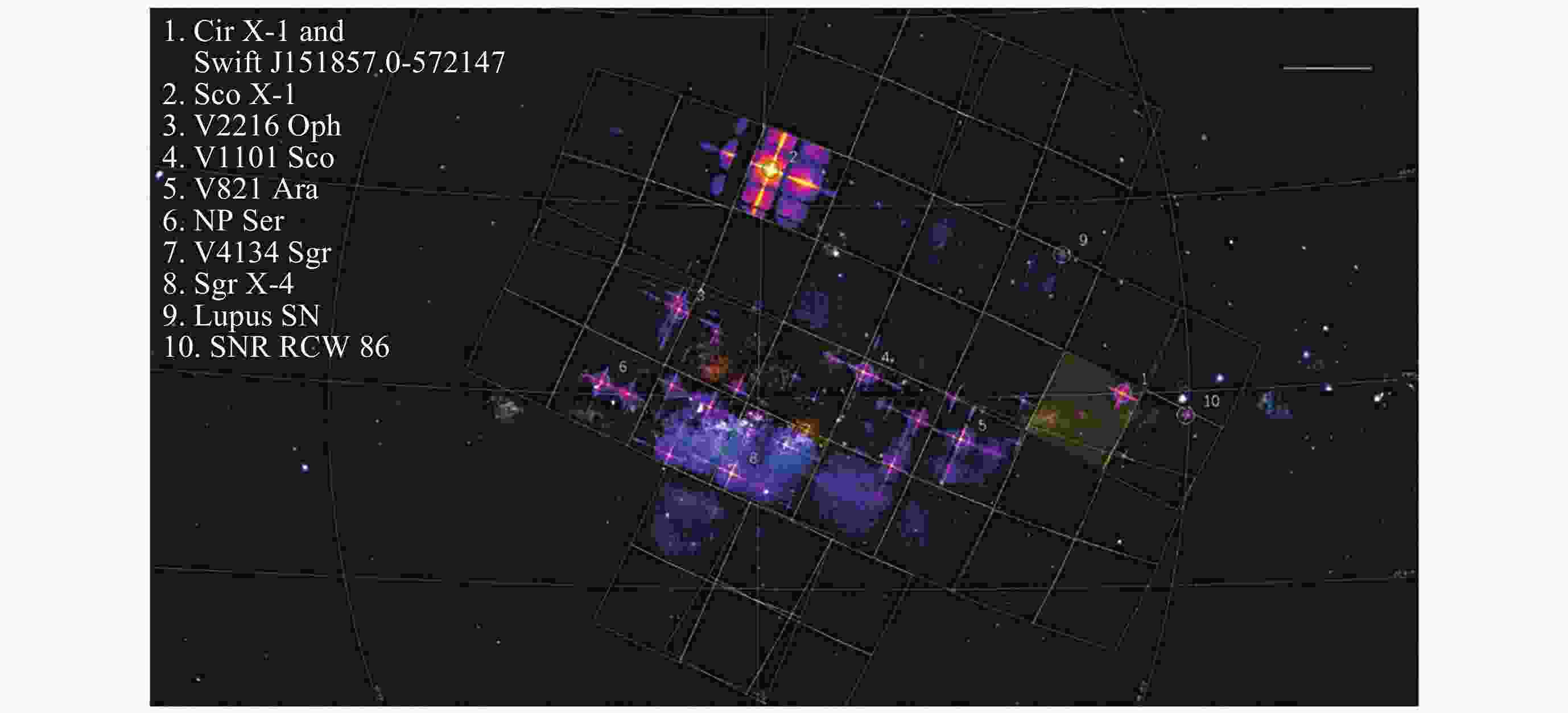
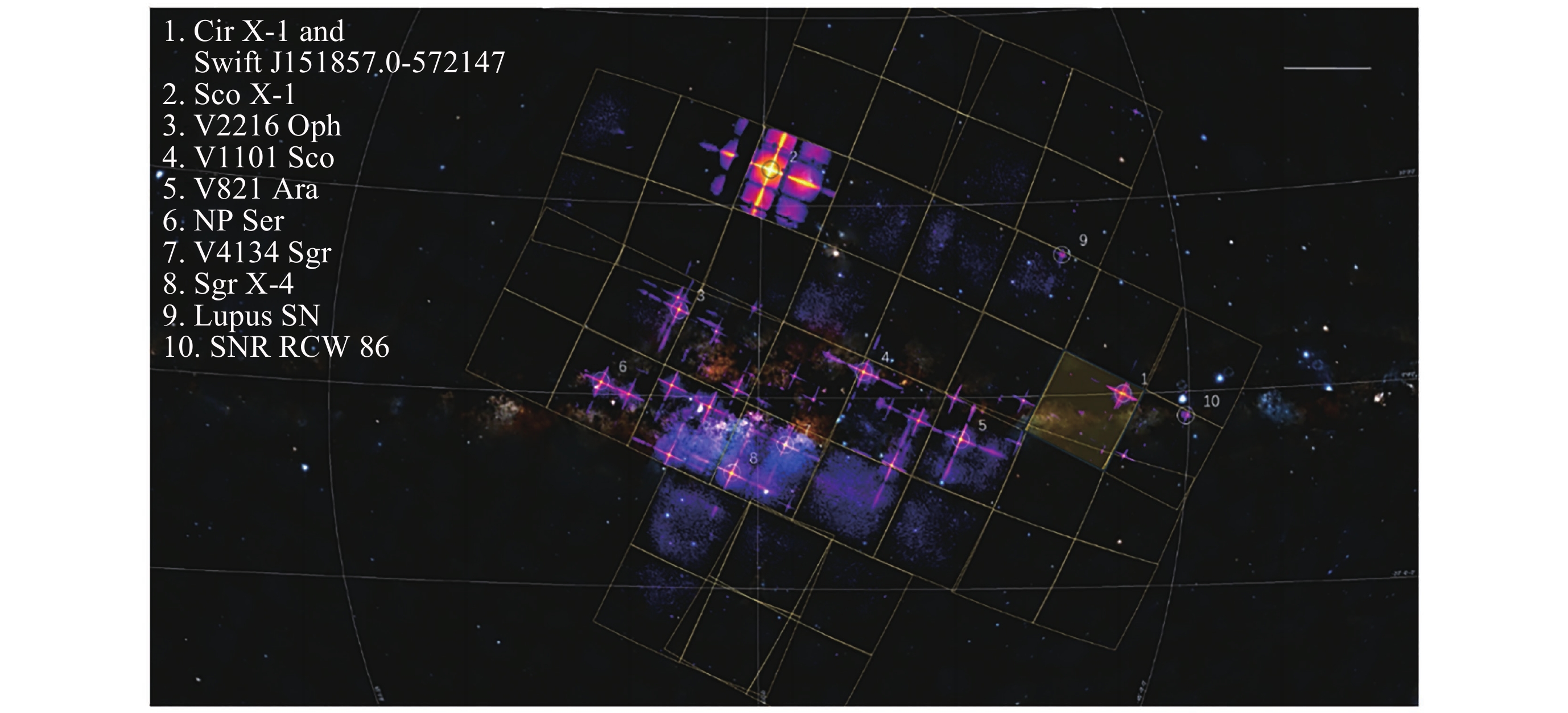
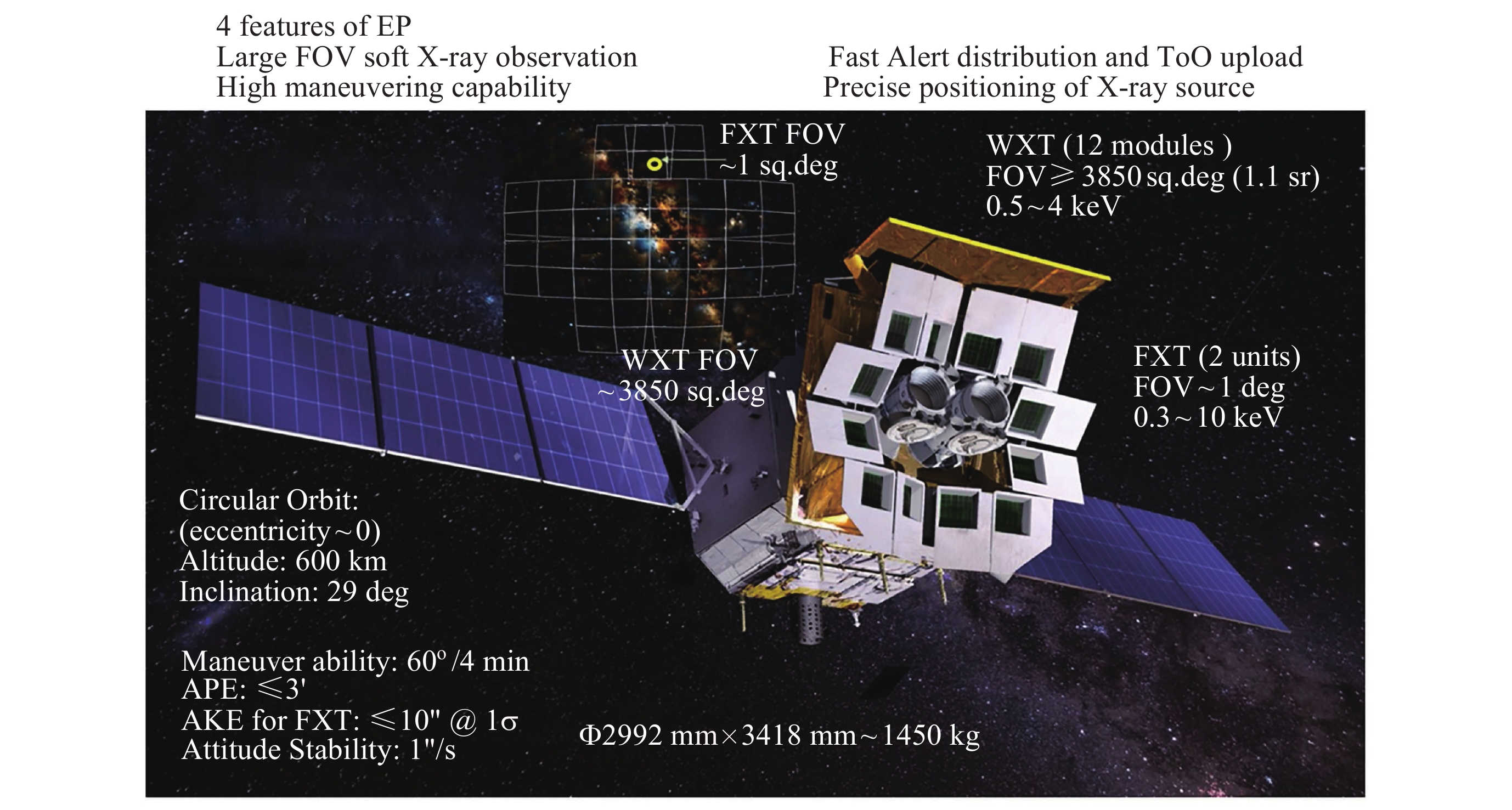
Figure 2. Observation of WXT pointed to the center of the Milky Way Galaxy with an exposure time of about 4×10⁴ s. The X-ray sources are drawn with color purple, which is stacked with Digitized Sky Surveys image provided by the Association of Universities for Research in Astronomy. The squares outline the FOV of WXT, mosaicked by 12 modules composed of 4 CMOS sensors each (Credit: EPSC/NAOC) (DSS image credit: AURA)
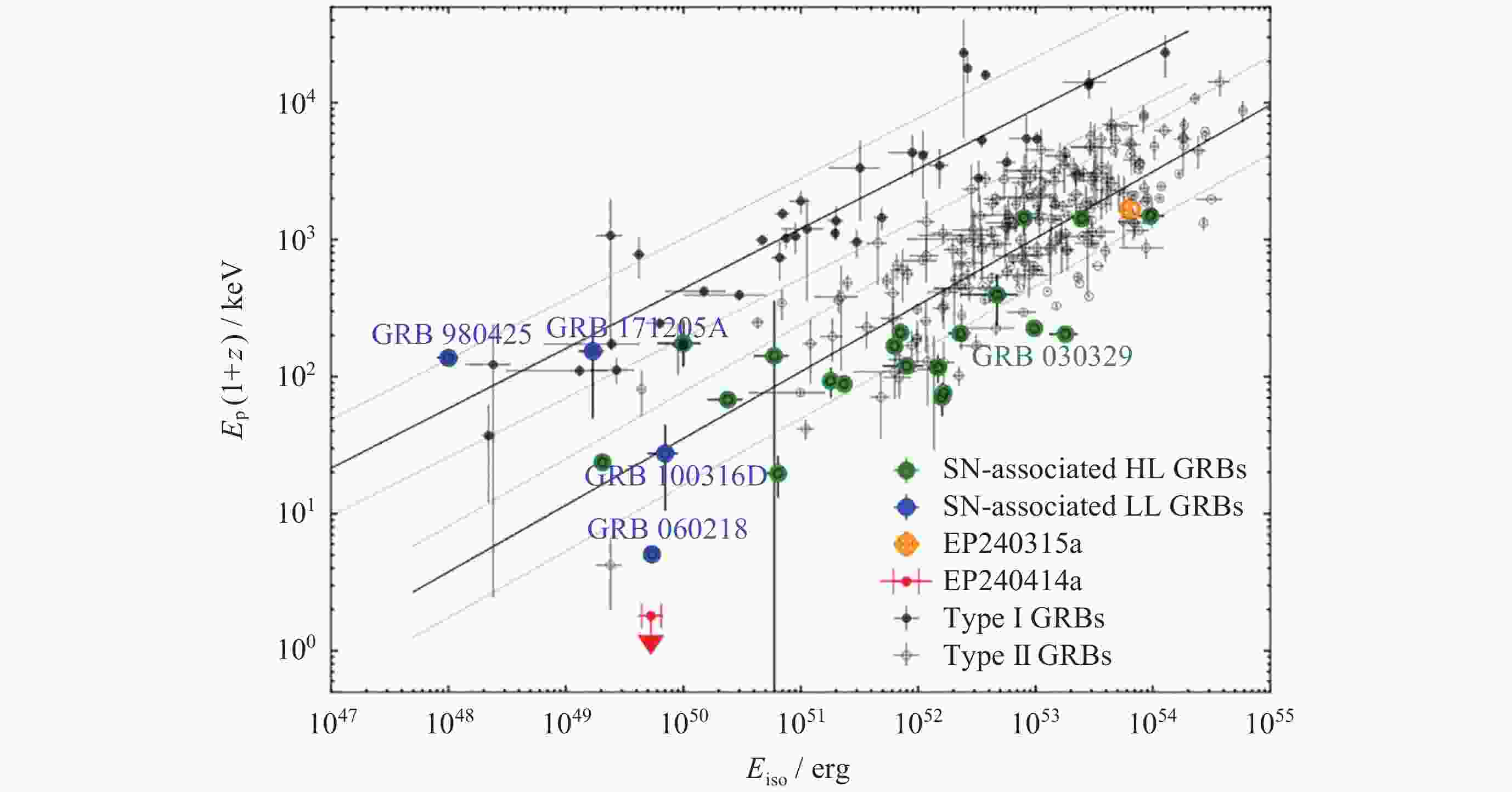
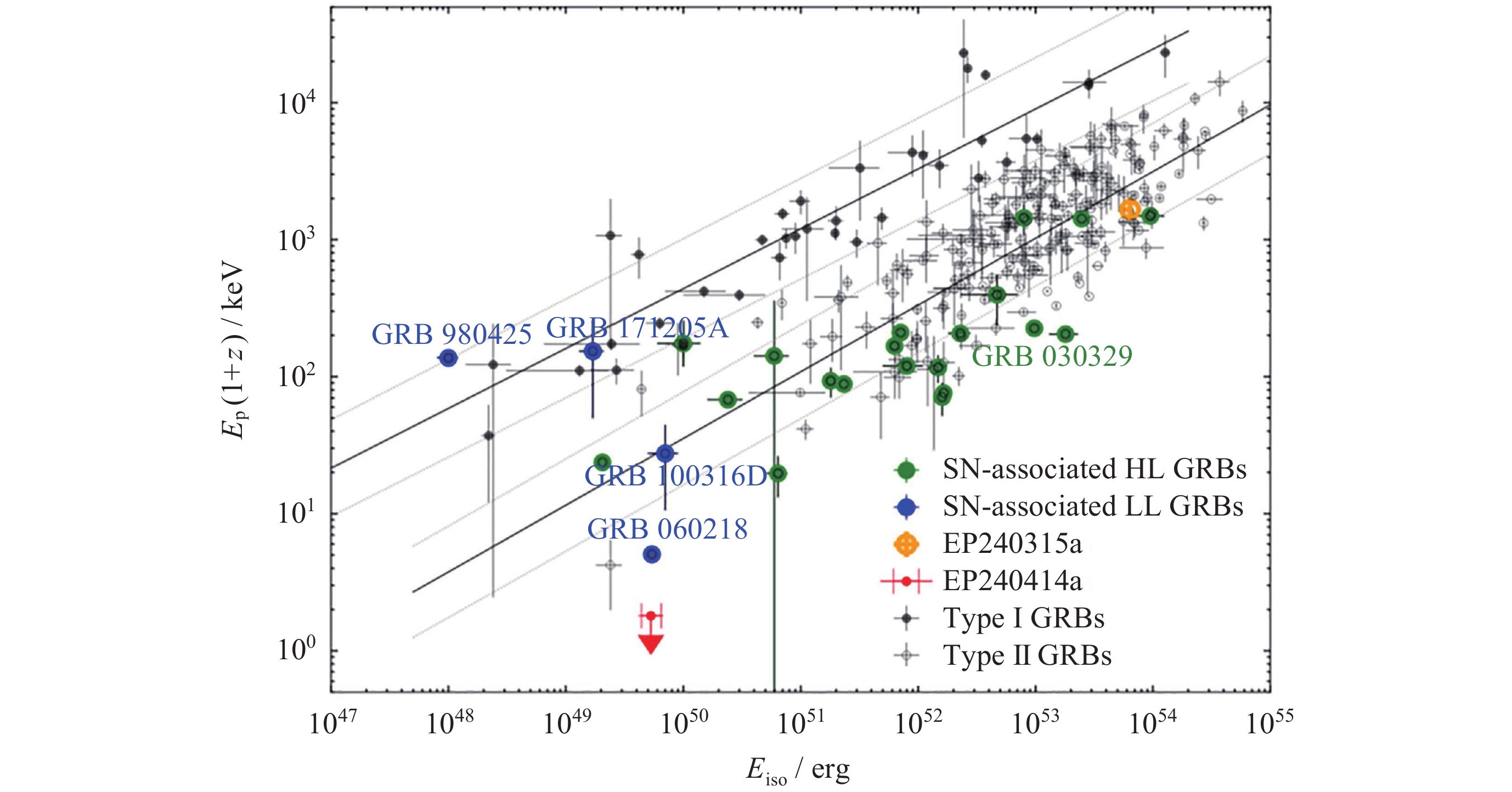
Figure 3. Rest-frame peak energy and isotropic energy correlation (Amati relation). EP240414a is a significant outlier compared with classical GRBs and some low-luminosity GRBs
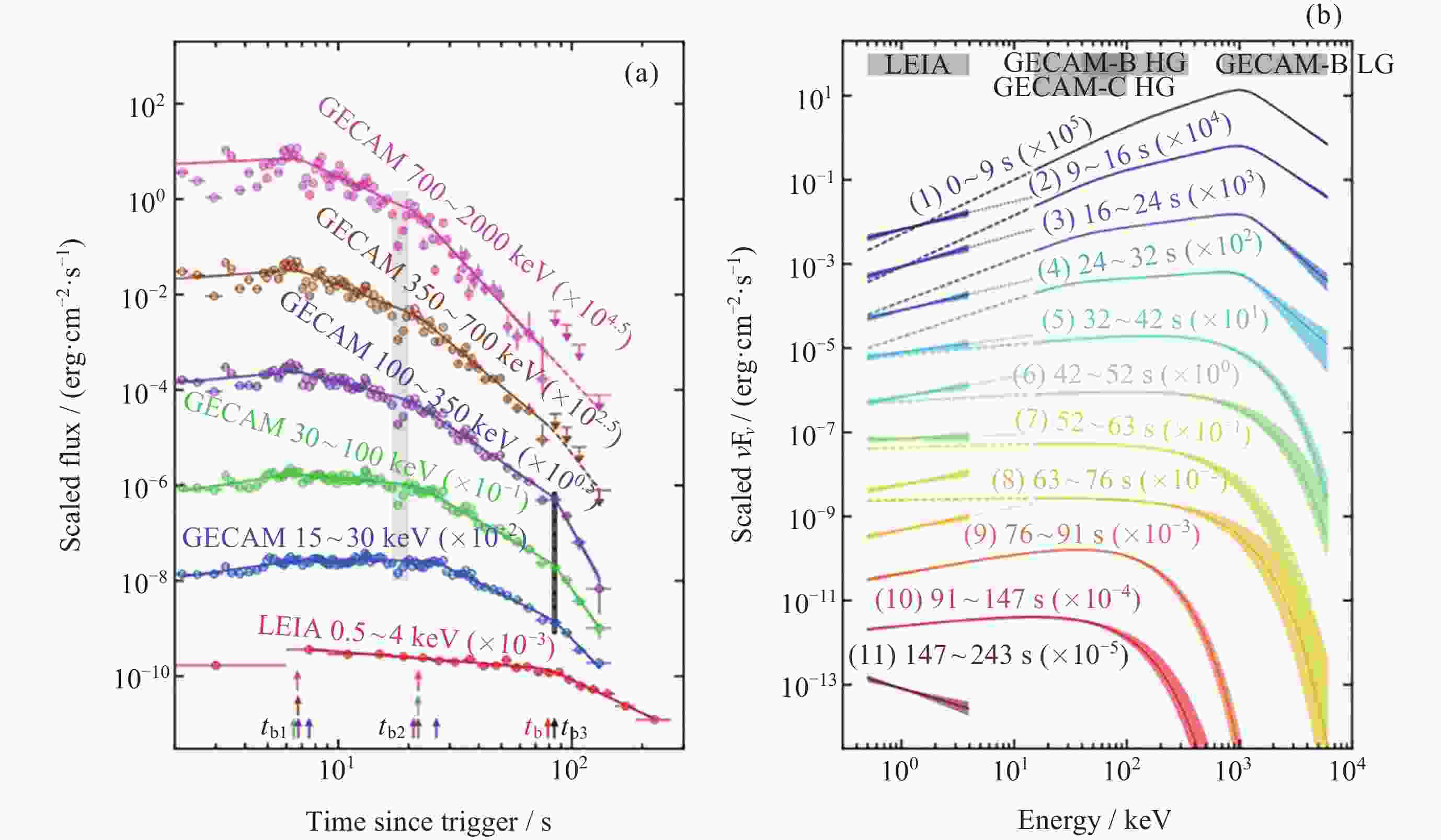
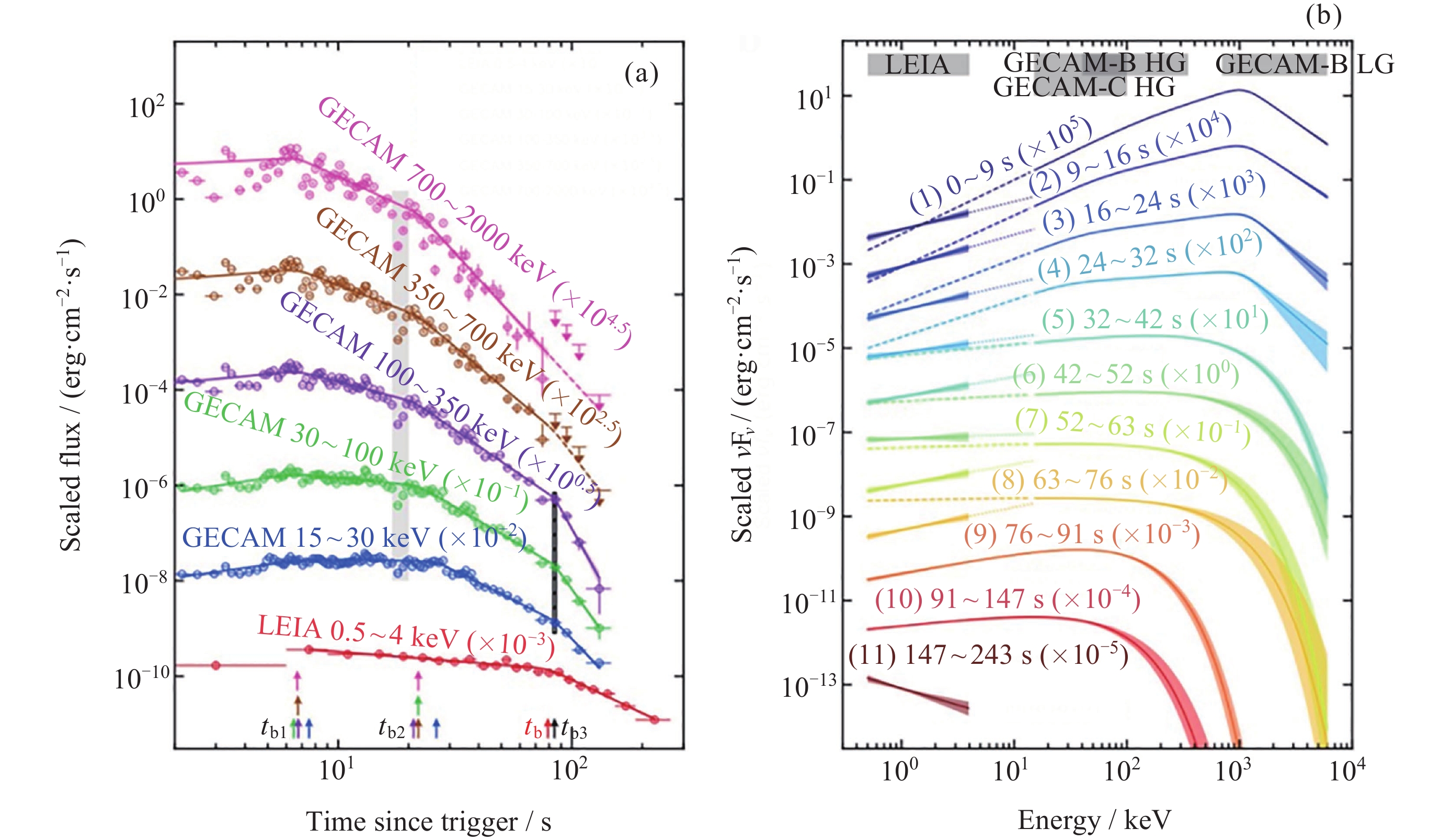
Figure 4. Multi-band light curve and spectral energy distribution obtained by the coordinated observation by LEIA and GECAM
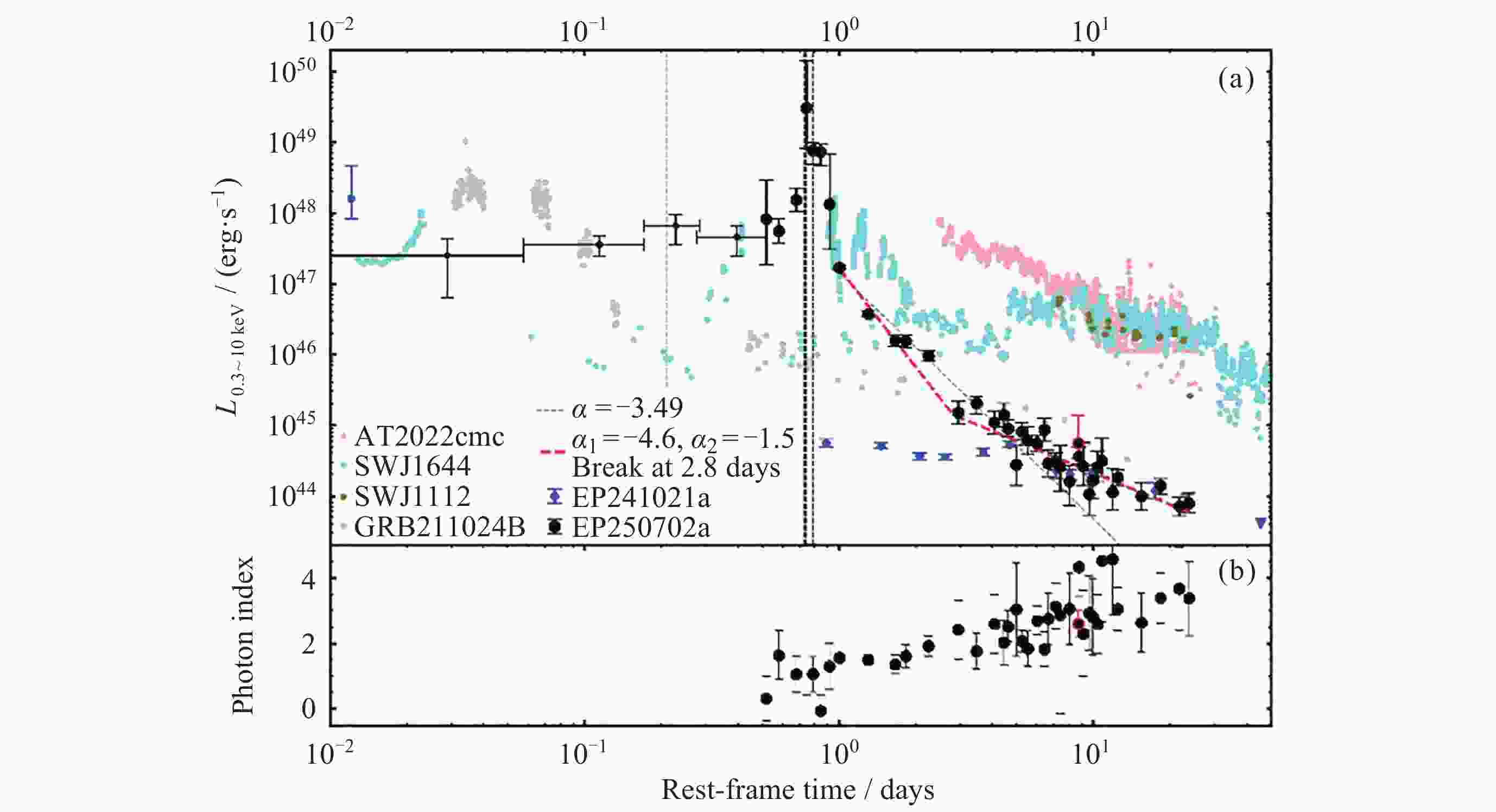
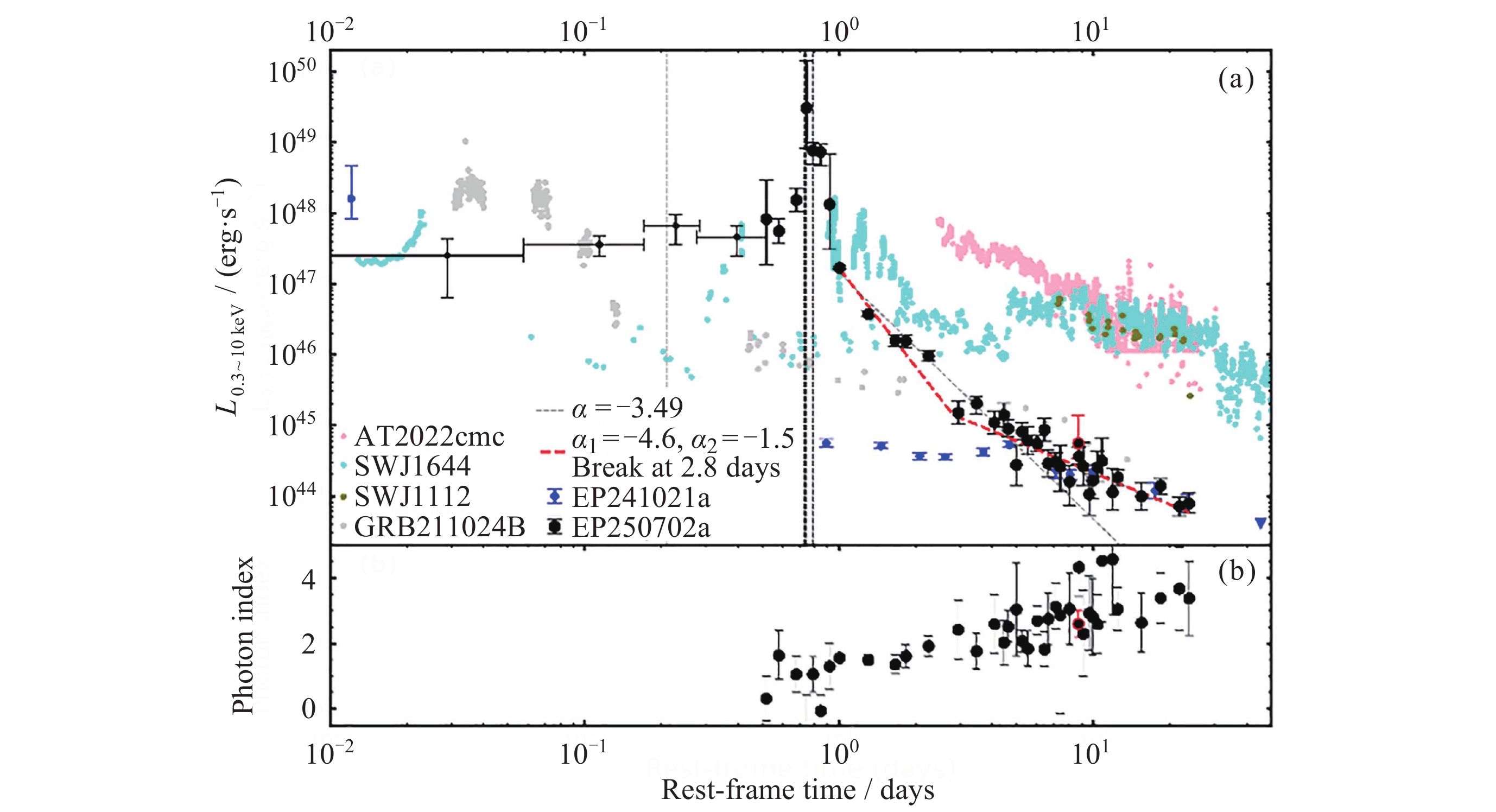
Figure 5. (a) Long-term X-ray light curve of EP250702a compared with other X-ray transients, including jetted TDEs, an ultra-long GRB, and a jetted TDE candidate EP241021. (b) Spectral softening of EP250702a, as indicated by the temporal evolution of the photon index derived from absorbed power-law fits to the X-ray spectra
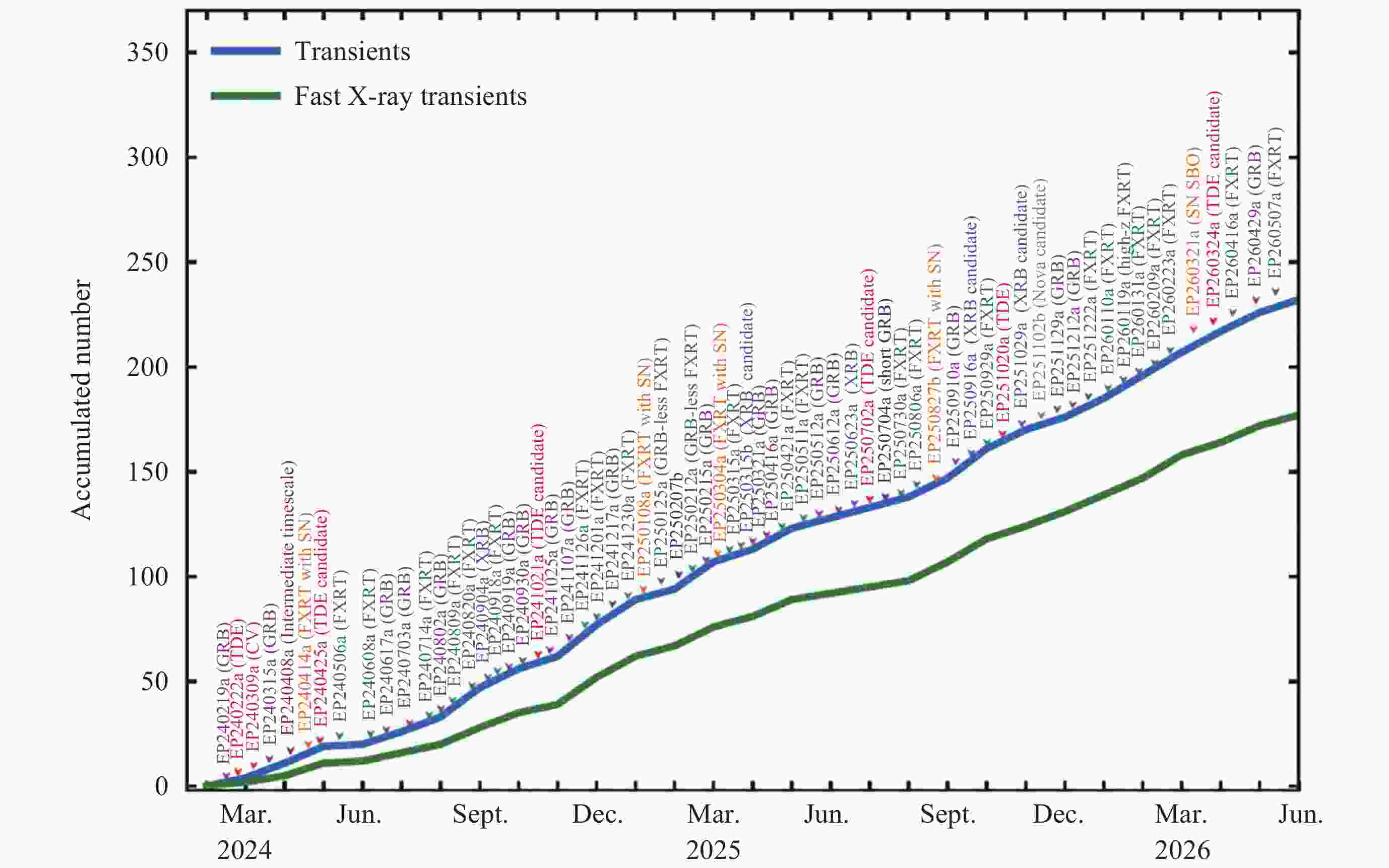
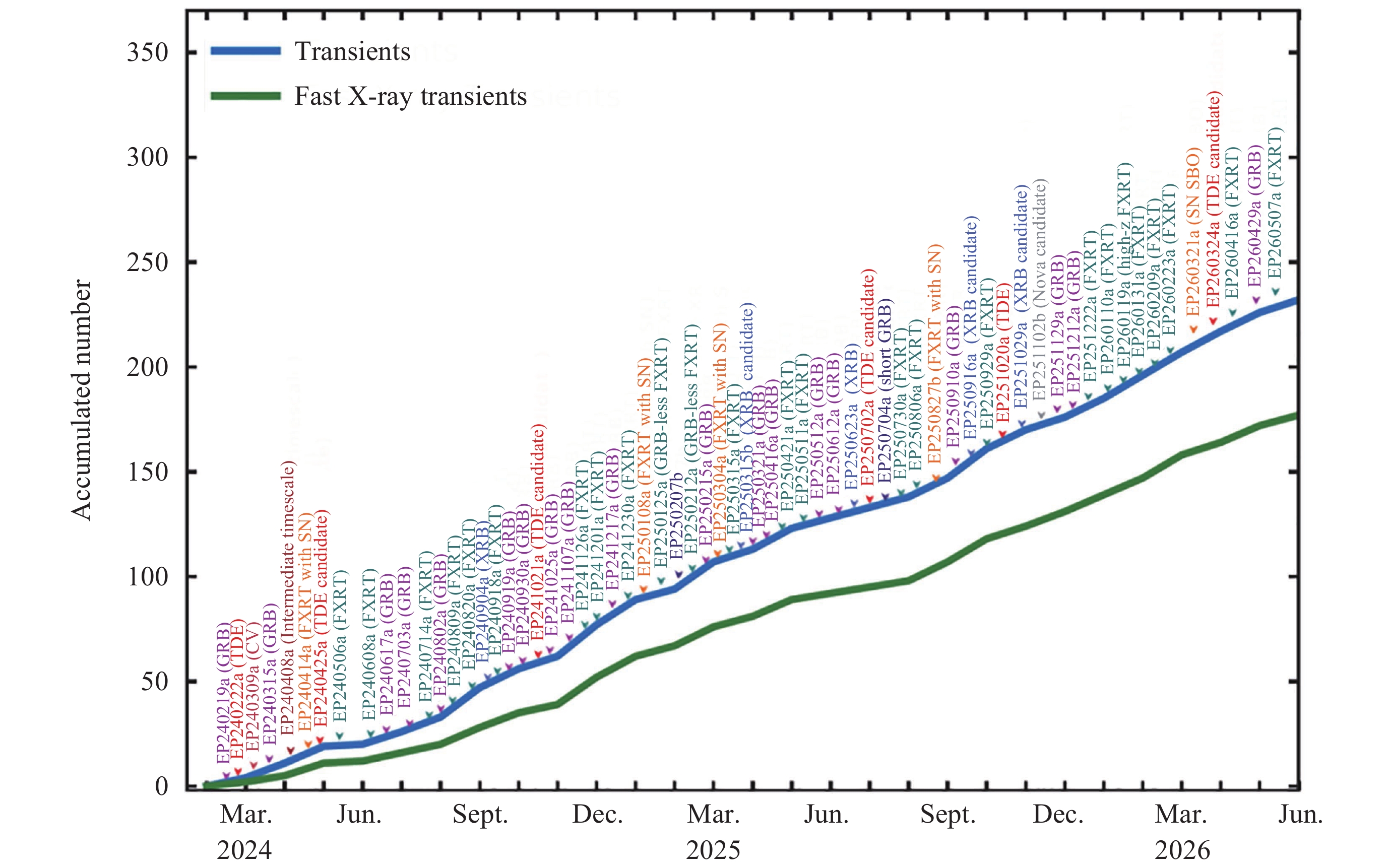
Figure 6. Increasing number of X-ray transients detected by Einstein Probe since launch. So far, more than 230 X-ray transients have been detected, yielding a detection rate of about 100 transients per year. Selected sources that have been studied extensively are labeled
Table 1. Specifications of the instruments
Parameters Wide-field X-ray Telescope Follow-up X-ray Telescope Number of modules 12 2 Telescope optic lobster-eye MPO Wolter-I Detector CMOS pn-CCD Field of view ≥3600 square degrees ≥60′ (diameter) Focal length / mm 375 1600 Effective area/ cm2 (@1.25 keV) 2–3 ~300 (one unit) Spatial resolution (@1 keV) 5′ (FWHM) 20″–24″ (HPD, on-axis) Bandpass /keV 0.5–4 0.3–10 Energy resolution /eV 122@1.25 keV 100@1.5 keV Limiting flux /(erg·s–1·cm–2) ~8.9×10⁻¹⁰ (27.65 mCrab) @10 s
~1.2×10⁻¹⁰ (3.9 mCrab) @100 s
~2.6×10⁻¹¹ (0.8 mCrab) @1 ks~1×10–14@10 ks Time resolution 50 ms (full-frame) 50 ms (full-frame)
2 ms (partial window)
42 μs (timing)Note The typical limiting fuxes in 0.5–4 keV are derived for a point like source from simulations, assuming a power-law spectrum with a photon index of 2 and a Galactic absorption column 3×1020 cm–2. MPO: Micro-Pore Optics. FWHM: Full Width at Half Maximum. HPD: Half-Power Diameter. mCrab: 1/1000 of the strength of the X-ray flux of the Crab nebular.  下载: 导出CSV
-
[1] YUAN W M, DAI L X, FENG H, et al. Science objectives of the Einstein Probe mission[J]. Science China Physics, Mechanics & Astronomy, 2025, 68(3): 239501 [2] JIN C C, LI D Y, JIANG N, et al. An intermediate-mass black hole lurking in a galactic halo caught alive during outburst[EB/OL]. arXiv preprint arXiv: 2501.09580, 2025 [3] LIU Y, SUN H, XU D, et al. Soft X-ray prompt emission from the high-redshift gamma-ray burst EP240315a[J]. Nature Astronomy, 2025, 9(4): 564-576 doi: 10.1038/s41550-024-02449-8 [4] ZHANG W D, YUAN W M, LING Z X, et al. Einstein Probe discovery of EP240408a: A peculiar X-ray transient with an intermediate timescale[J]. Science China Physics, Mechanics & Astronomy, 2025, 68(1): 219511 [5] SUN H, LI W X, LIU L D, et al. A fast X-ray transient from a weak relativistic jet associated with a type Ic-BL supernova[J]. Nature Astronomy, 2025, 9: 1073-1085 doi: 10.1038/s41550-025-02571-1 [6] MARINO A, YANG H N, COTI ZELATI F, et al. Einstein probe discovery of EP J005245.1-722843: A rare be-white dwarf binary in the small magellanic cloud?[J]. The Astrophysical Journal Letters, 2025, 980(2): L36 doi: 10.3847/2041-8213/ad9580 [7] CHENG H Q, ZHAO Q C, TAO L, et al. Einstein probe discovery of EP J182730.0-095633: A new black hole X-ray binary candidate in faint outburst?[J]. The Astrophysical Journal Letters, 2025, 991(2): L41 doi: 10.3847/2041-8213/adf104 [8] SHU X W, YANG L, YANG H N, et al. EP241021a: A months-duration X-ray transient with luminous optical and radio emission[J]. The Astrophysical Journal Letters, 2025, 990(1): L29 doi: 10.3847/2041-8213/adf4cd [9] SUN H, WANG C W, YANG J, et al. Magnetar emergence in a peculiar gamma-ray burst from a compact star merger[J]. National Science Review, 2025, 12(3): nwae401 doi: 10.1093/nsr/nwae401 [10] LI D Y, ZHANG W D, YANG J, et al. A fast powerful X-ray transient from possible tidal disruption of a white dwarf[J]. Science Bulletin, 2026, 71(3): 538-546 doi: 10.1016/j.scib.2025.12.050 -
-

 下载:
下载:

计量
- 文章访问数: 727
- HTML全文浏览量: 380
- PDF下载量: 12
-
被引次数:
0(来源:Crossref)
0(来源:其他)

