


Recent Scientific Progress and Mission Update for the Solar Wind Magnetosphere Ionosphere Link Explorer (SMILE)
doi: 10.11728/cjss2026.04.3-7-2026-yg09 cstr: 32142.14.cjss.3-7-2026-yg09
-
Abstract: The Solar Wind Magnetosphere Ionosphere Link Explorer (SMILE) mission aims to study solar wind-magnetosphere-ionosphere coupling globally. This review summarizes recent scientific progress and mission status relevant to future SMILE observations. The focus is on dayside magnetopause and cusp dynamics, soft X-ray image interpretation, magnetic-reconnection-driven convection, and storm-substorm coupling. The recent progress of the SMILE platform, payloads, ground segment, and commissioning plan is also briefly reviewed. These studies and mission developments provide the physical and observational basis for interpreting SMILE observations during the early science phase and beyond.
-
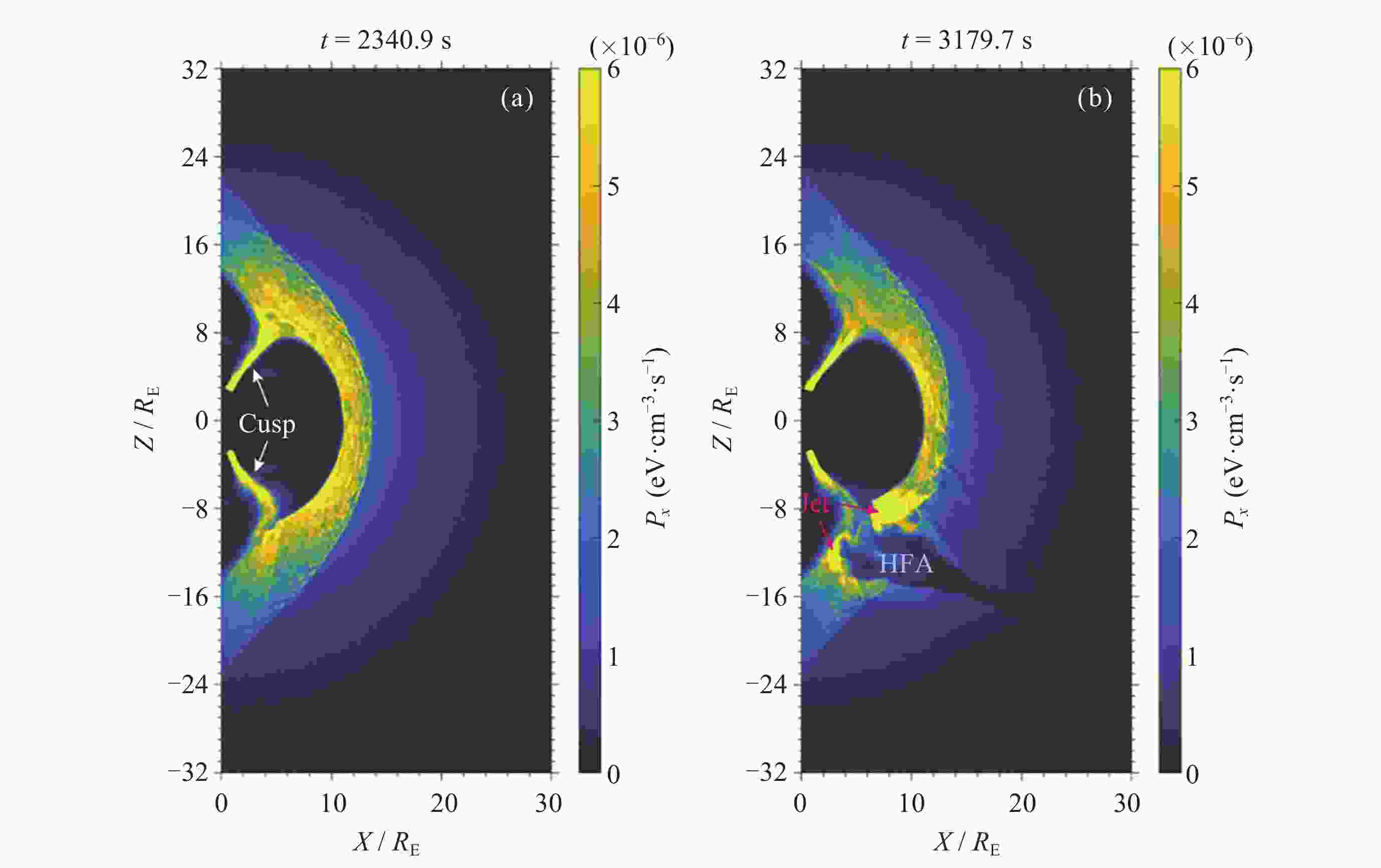
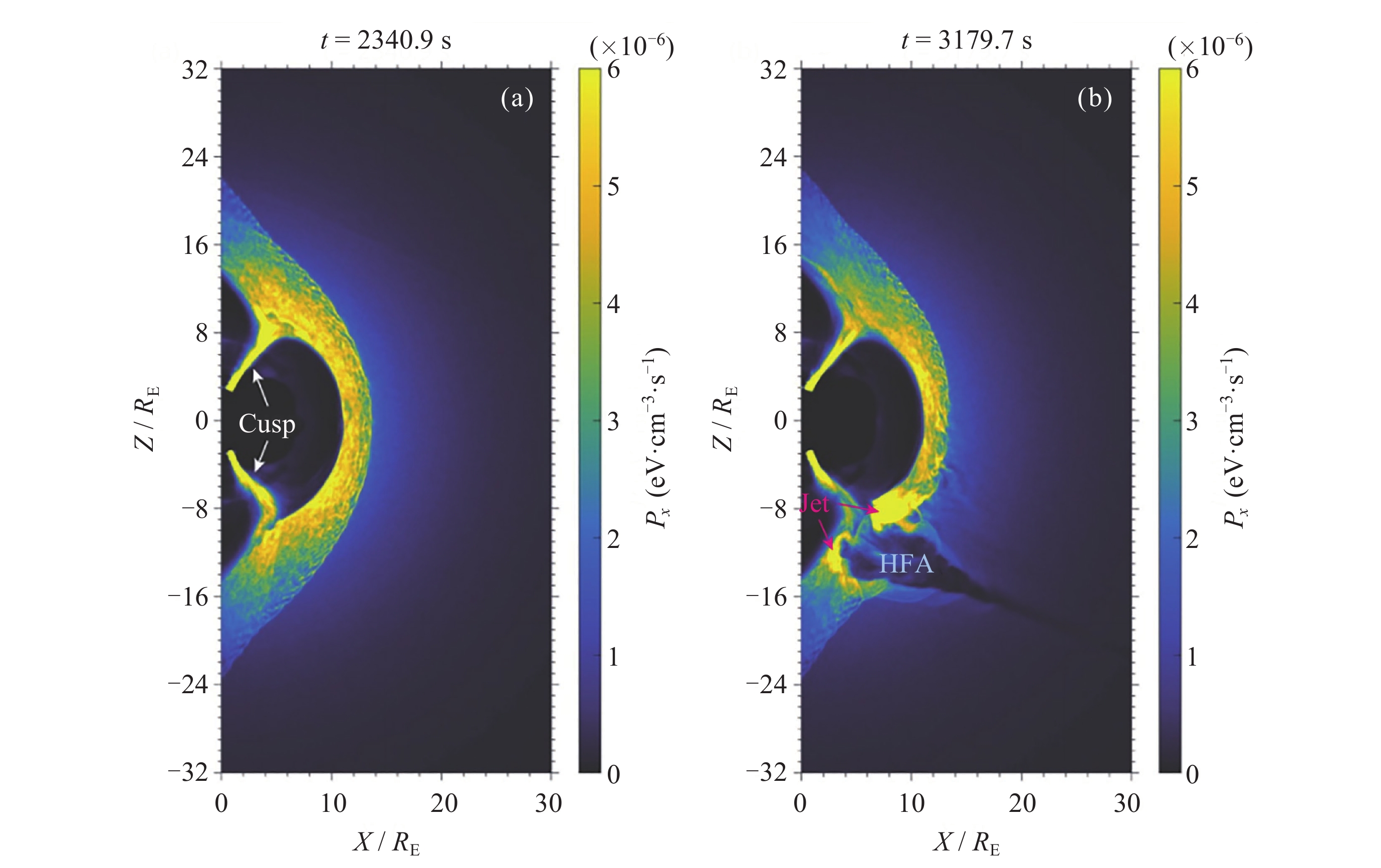
Figure 1. X-ray image from a lunar-based soft X-ray imager based on a three-dimensional global hybrid simulation[4]
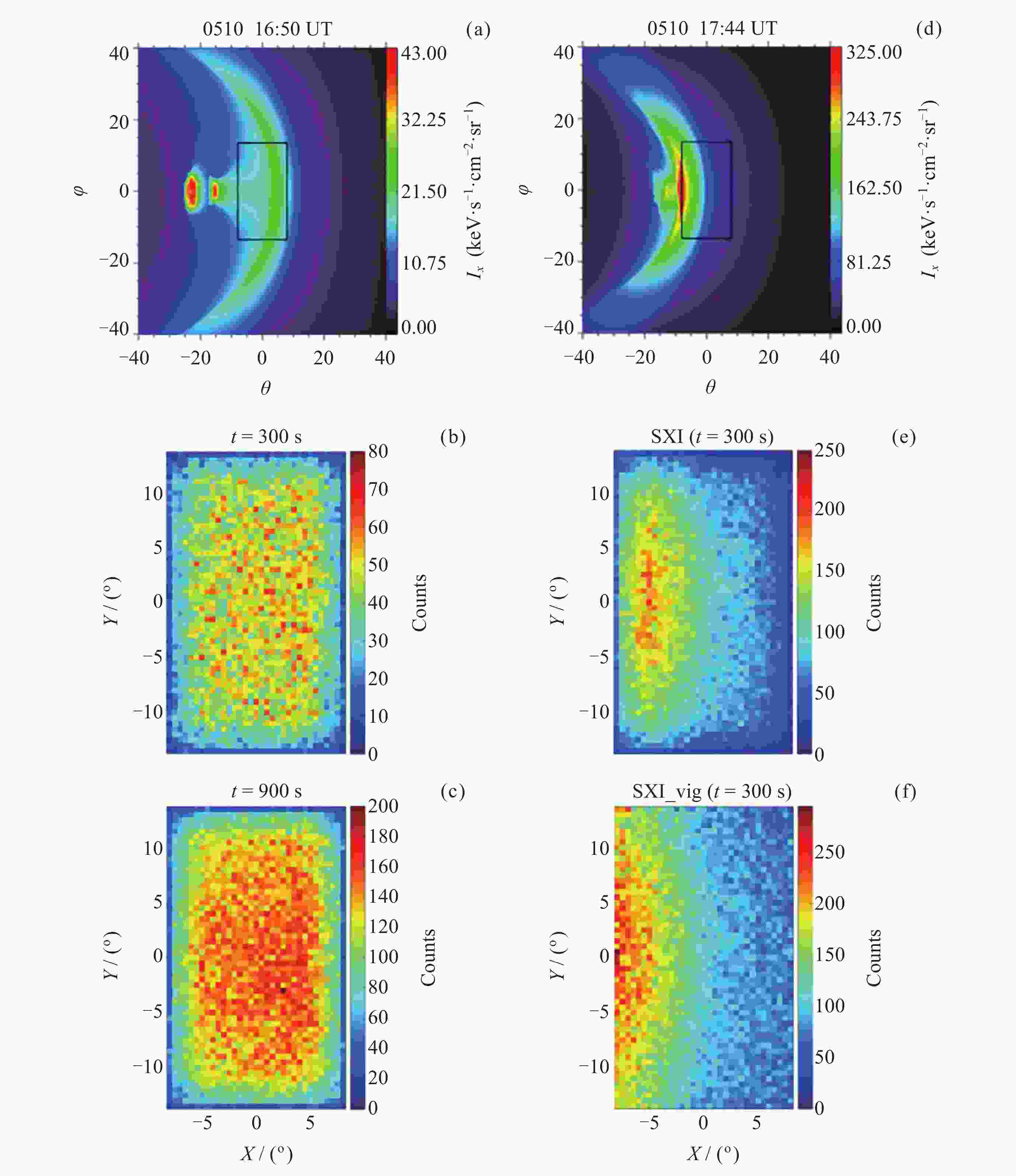
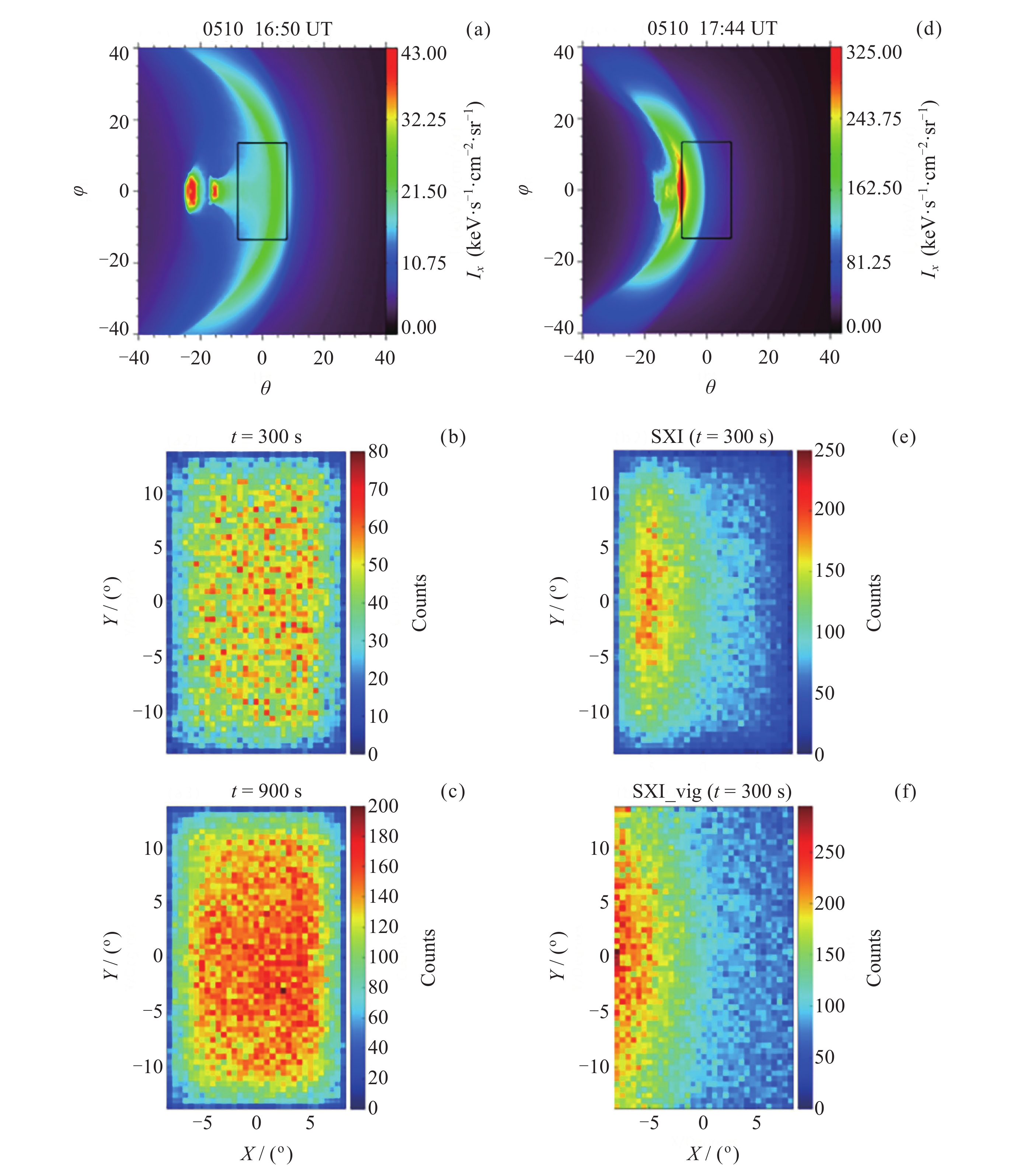
Figure 2. Soft X-ray images and SXI photon-count images under a special viewing geometry (0510 denotes May 10). Panels (a)-(c) correspond to low solar wind number density: (a) shows the MHD-simulated X-ray image, and (b)-(c) show the SXI photon-count images with exposure times of 300 s and 900 s, respectively. Panels (d)-(f) correspond to high solar wind number density: (d) shows the MHD-simulated X-ray image, (e) shows the SXI photon-count image without the vignetting function, and (f) shows the SXI photon-count image with the vignetting function[3]
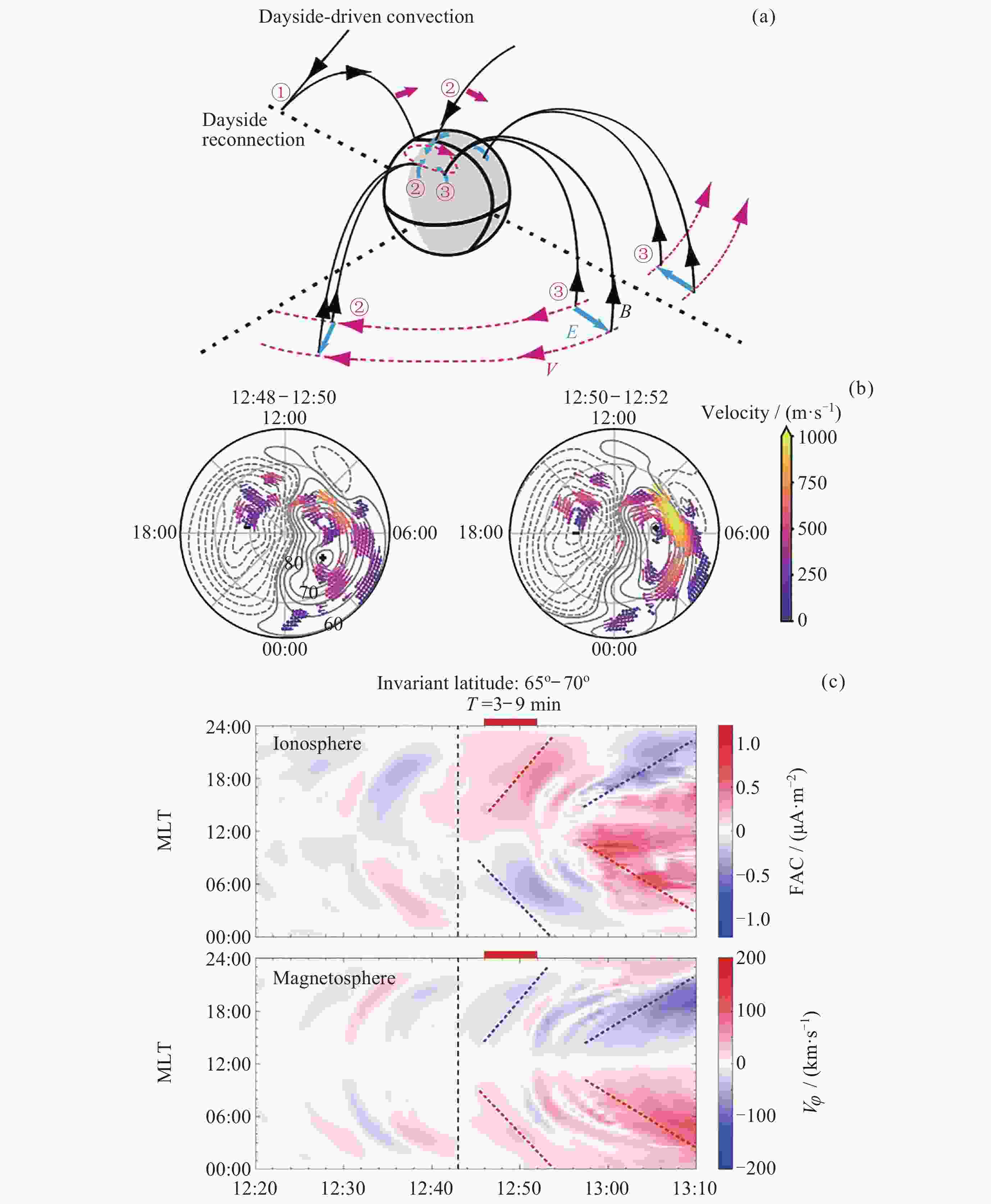
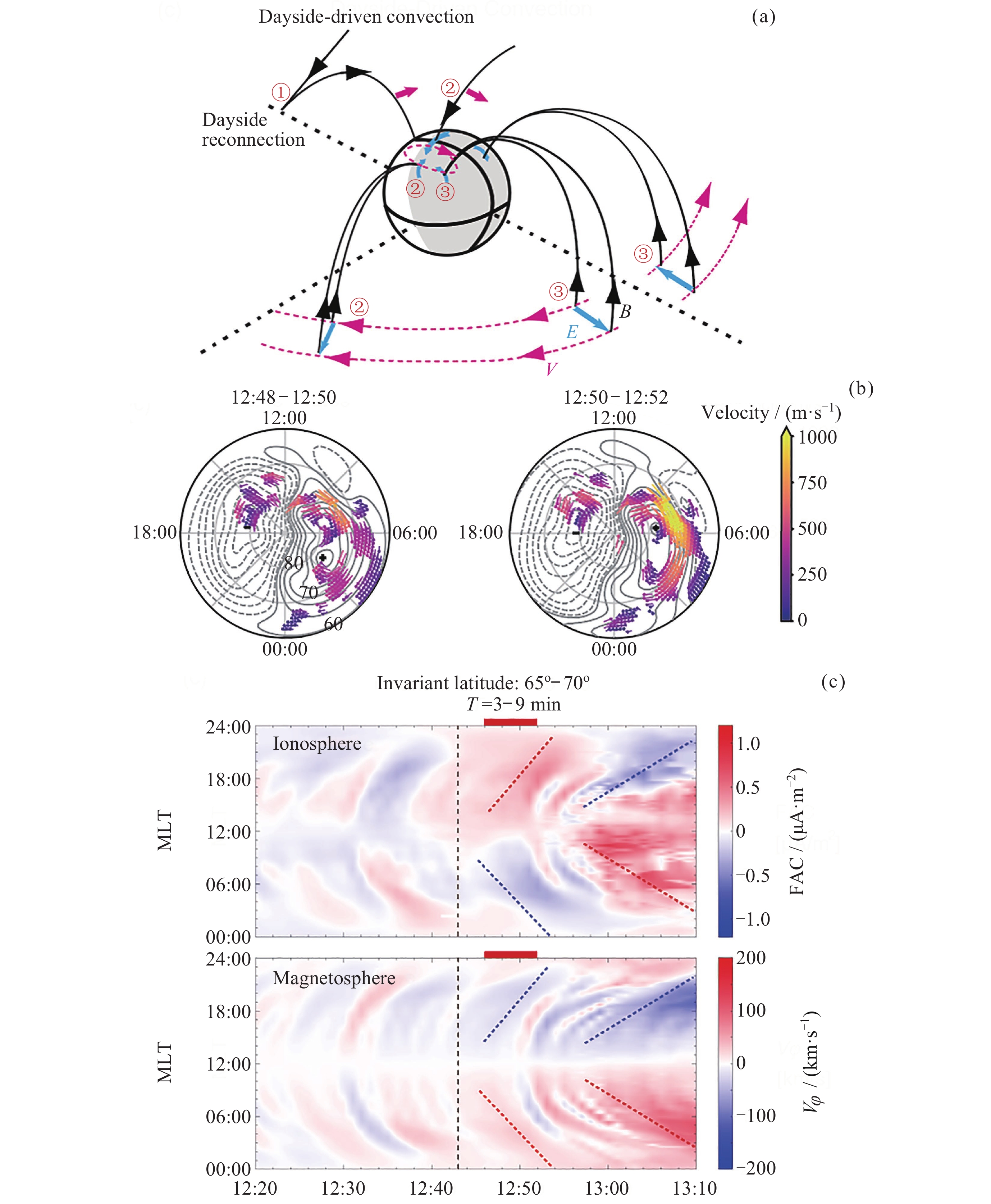
Figure 3. Dayside-driven magnetospheric convection and its magnetosphere–ionosphere signatures. (a) Schematic of magnetospheric convection driven by dayside reconnection. (b) Ionospheric convection maps. (c) East-West keograms of the Field-Aligned Current (FAC) at the ionosphere and magnetosphere convection, with Local Time (LT) on the horizontal axis[8,14]
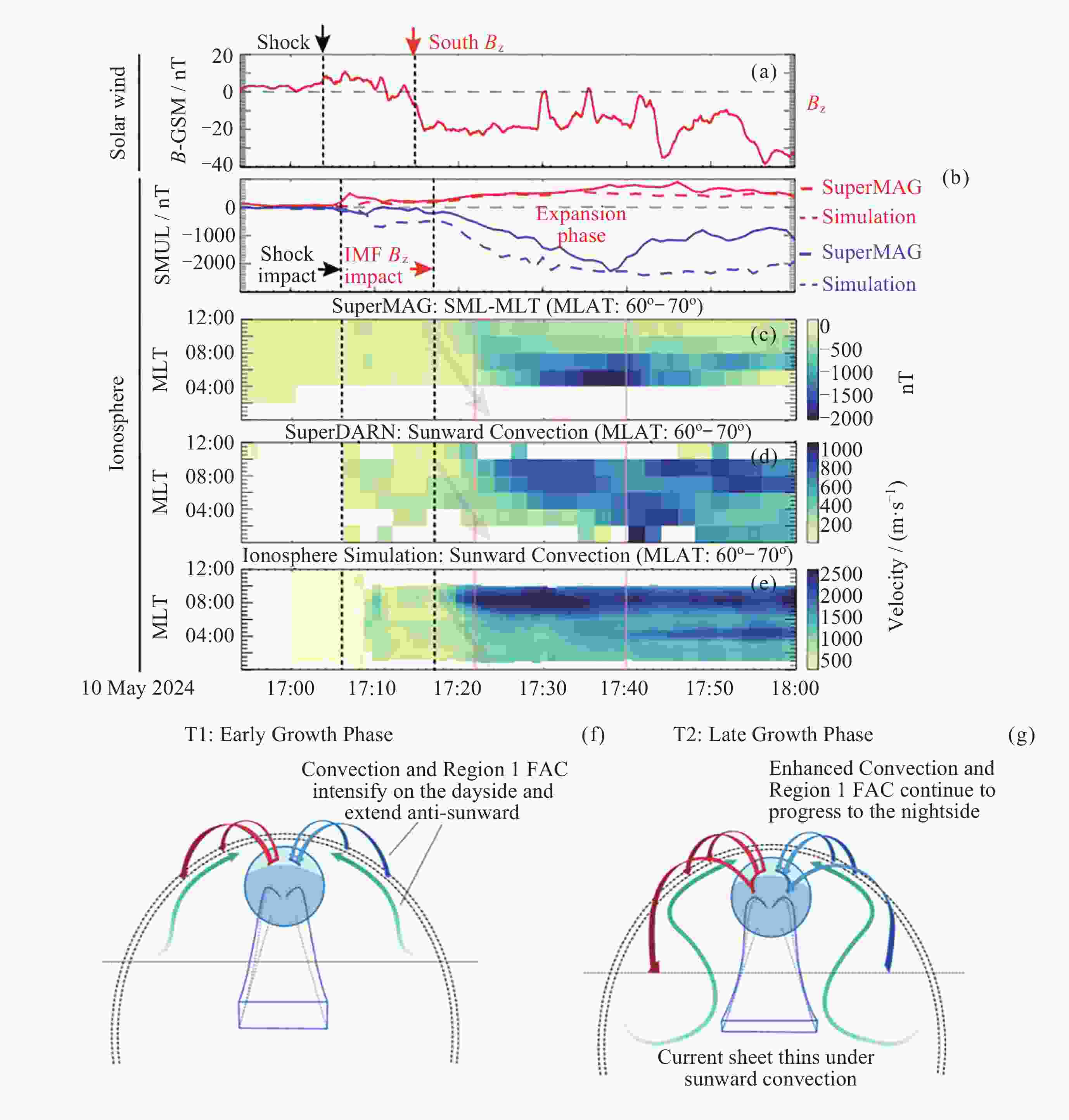
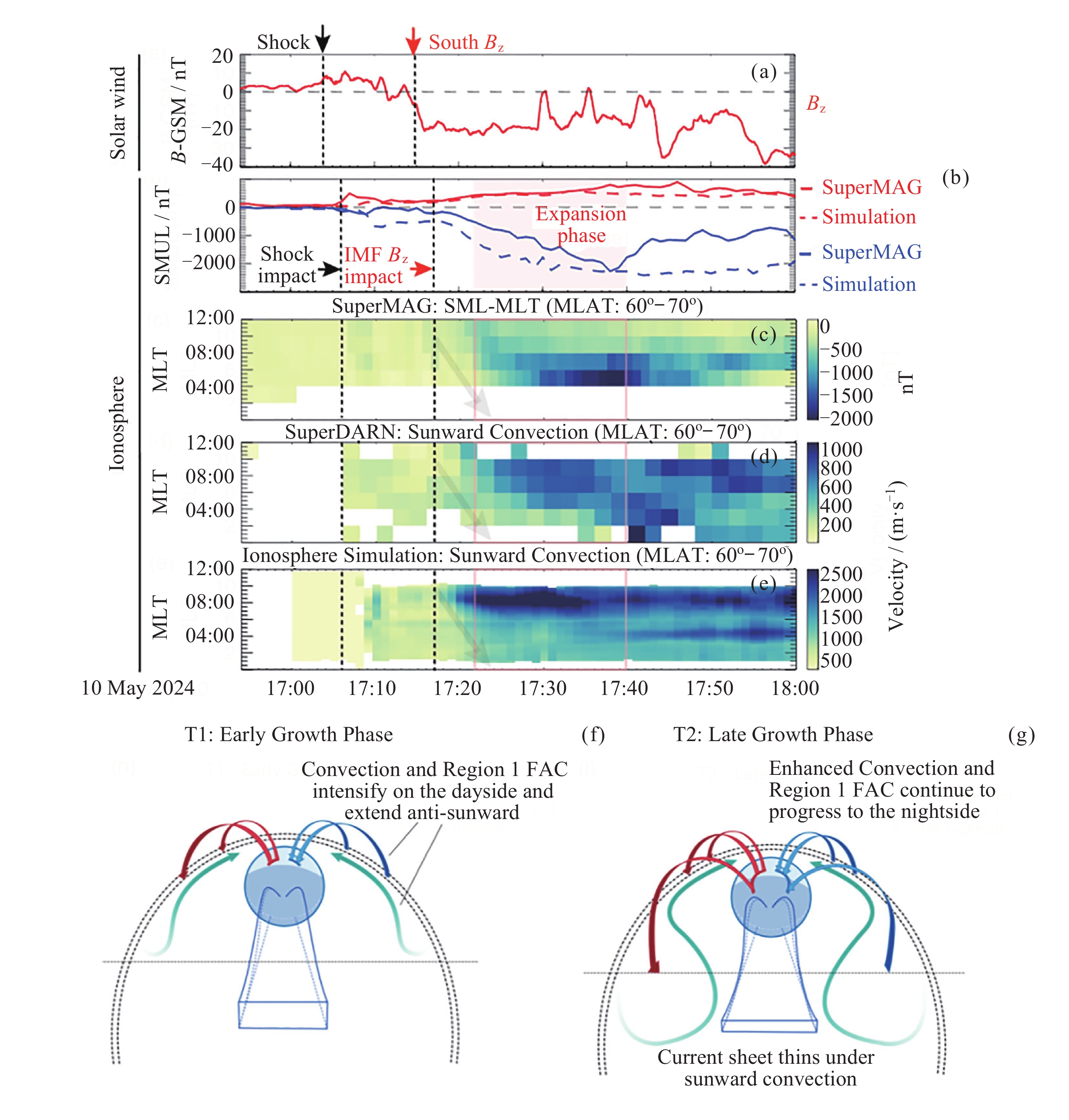
Figure 5. Solar-wind triggering of substorm onset during the 10 May 2024 superstorm. (a) Magnetic field (the z-component of the interplanetary magnetic field, Bz). (b) Auroral electrojet indices. (c) Magnetic-local-time distribution of the SuperMAG auroral lower (SML) index. (d)–(e) Observed and simulated sunward ionospheric convection, with Local Time (LT) on the horizontal axis. (h)–(i) Schematic illustration of the early and late growth phases, showing the antisunward progression of enhanced convection and Region 1 field-aligned currents and the thinning of the near-Earth current sheet before substorm onset. The vertical axes show the magnetic field in Geocentric Solar Magnetospheric (GSM) coordinates, the SuperMAG auroral Upper and Lower (SMUL) indices, and magnetic local time (MLT), respectively[14]
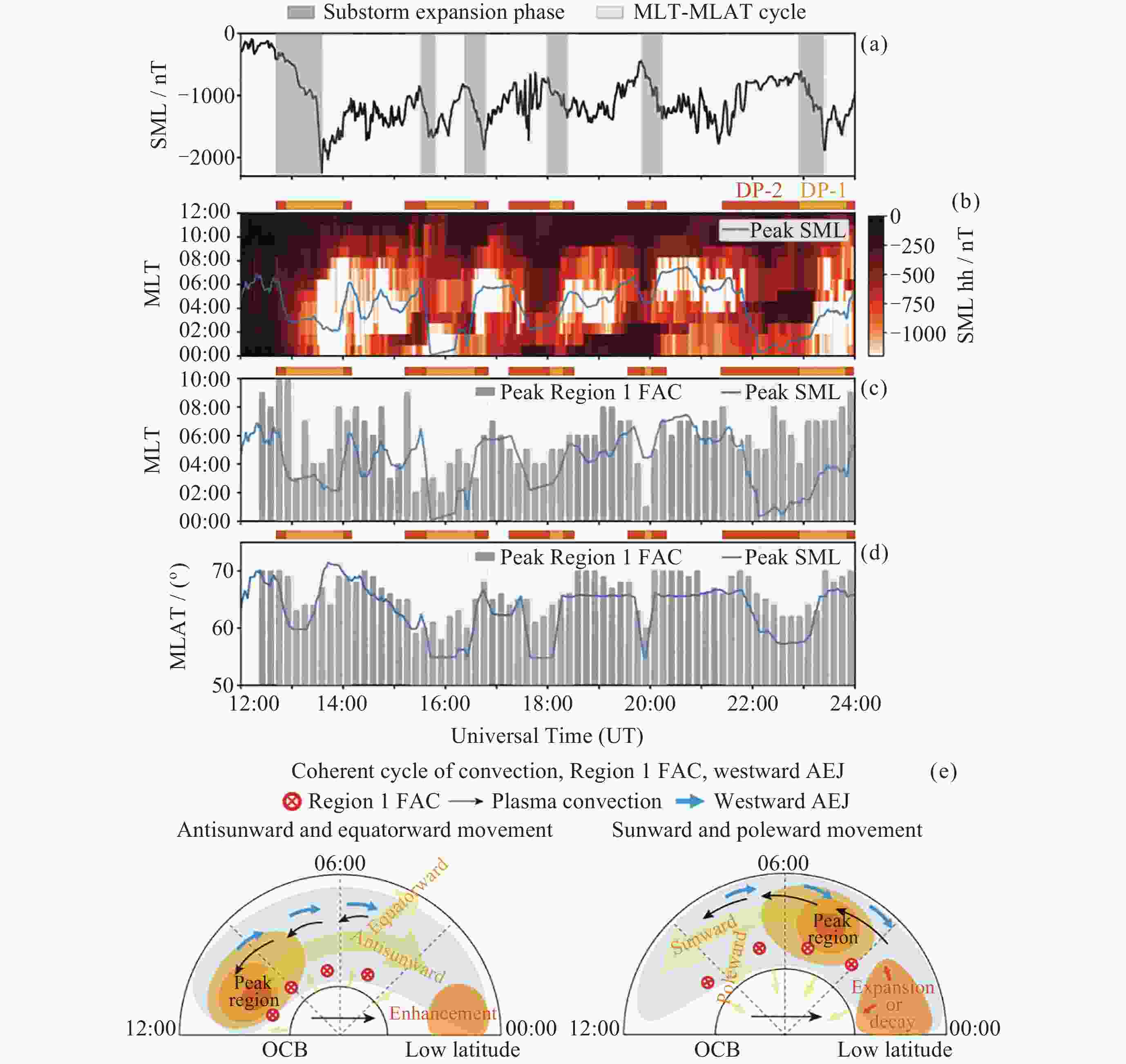
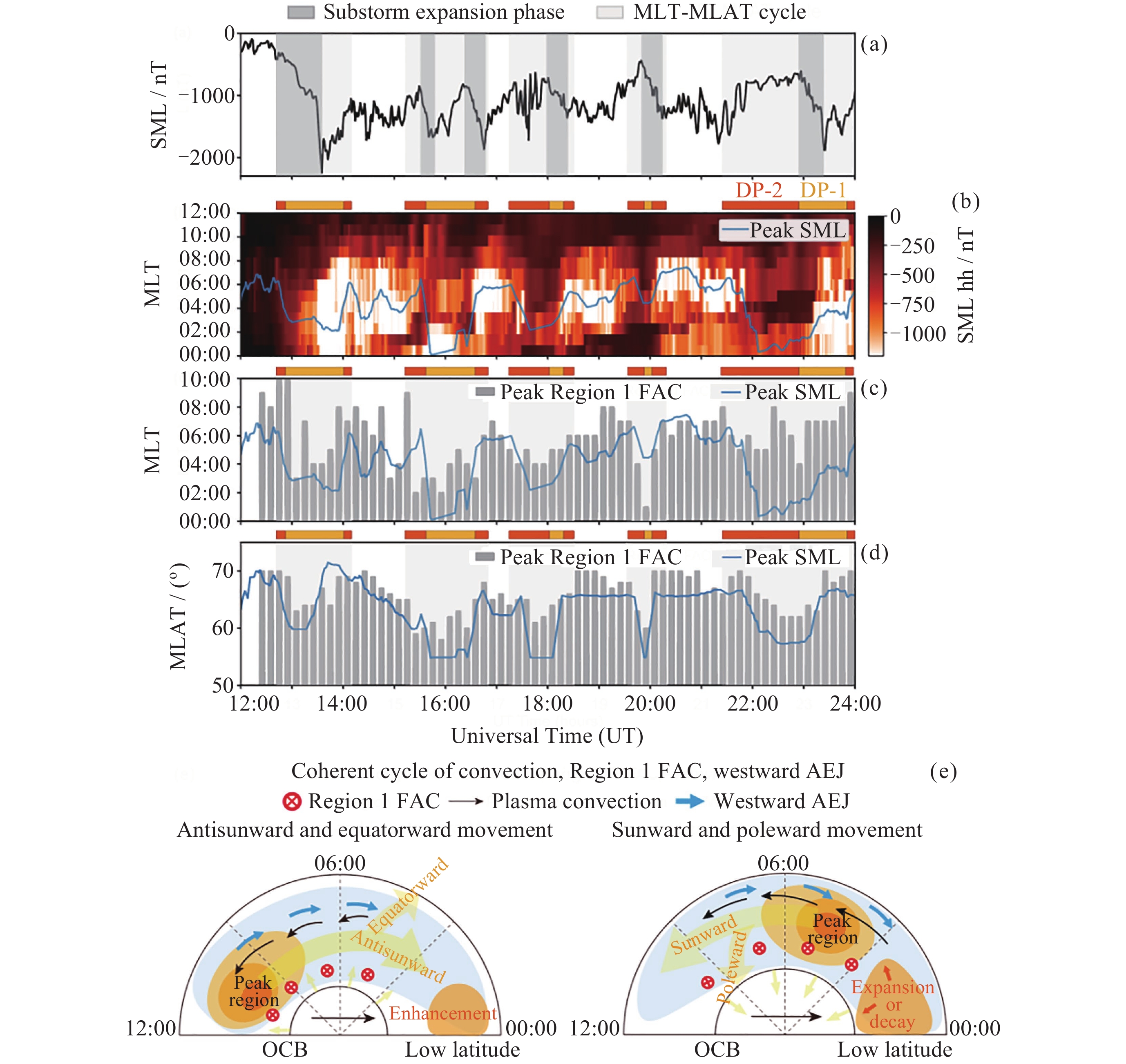
Figure 6. Global cycle of field-aligned currents and auroral electrojets during storm-time substorms. (a) SML index. (b) Magnetic-local-time distribution of the westward auroral electrojet. (c)-(d) Temporal evolution of the magnetic local time and magnetic latitude of the peak Region 1 field-aligned current and peak SML. (e) Schematic illustration of the coherent cycle of plasma convection[11]
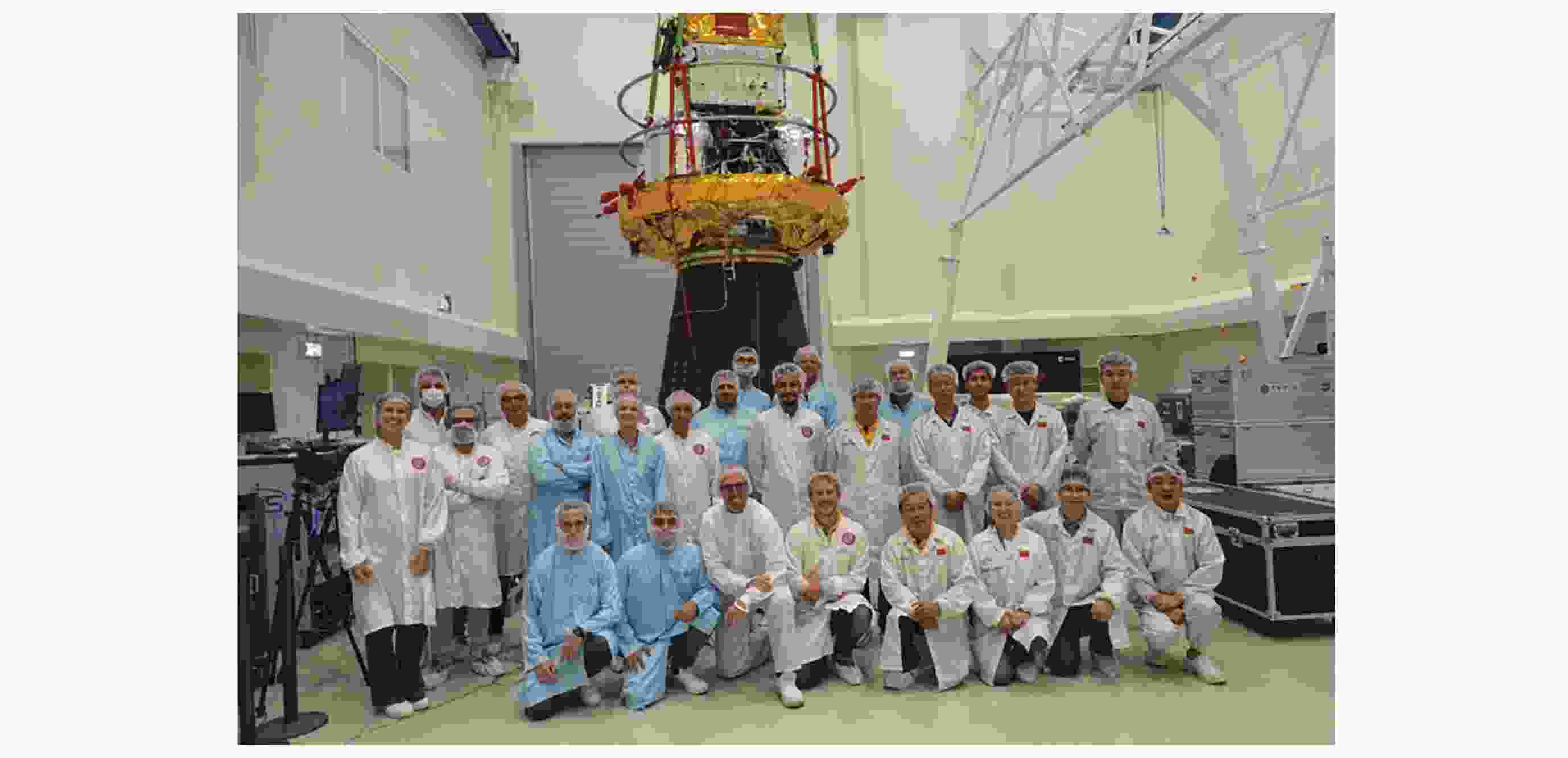
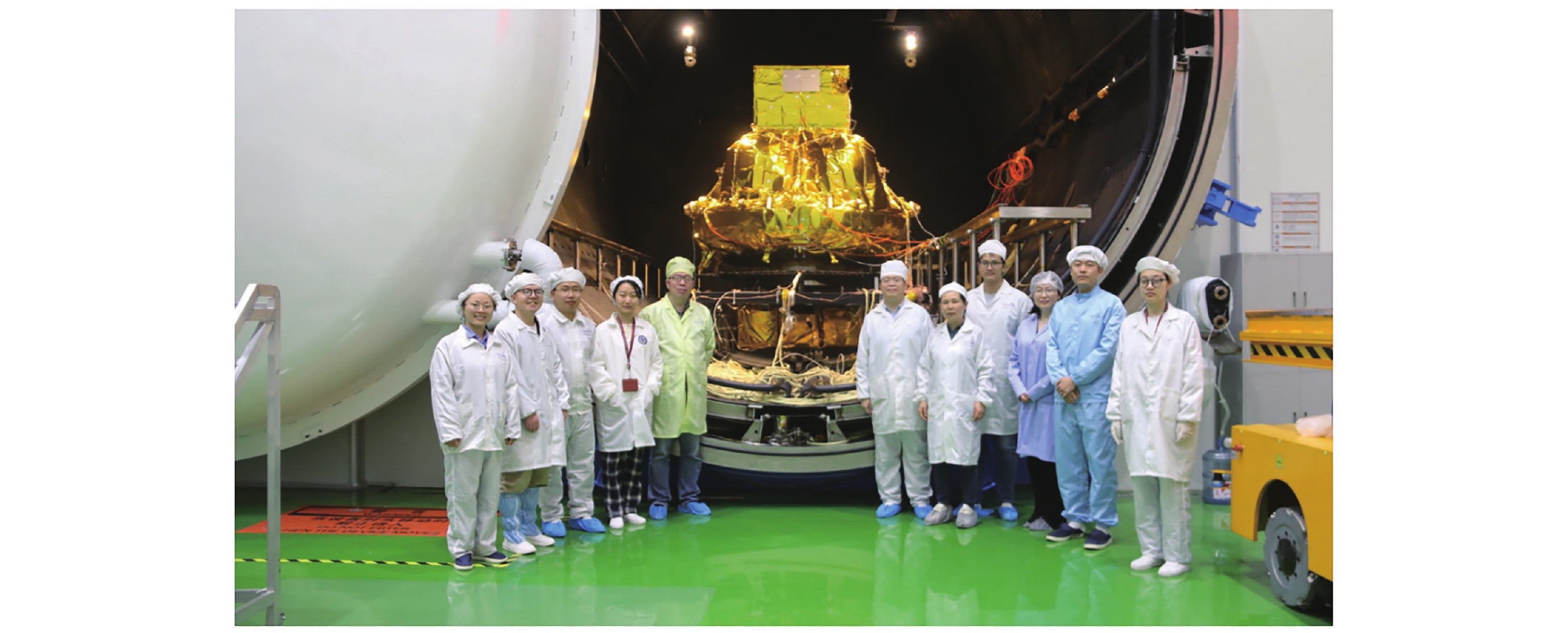
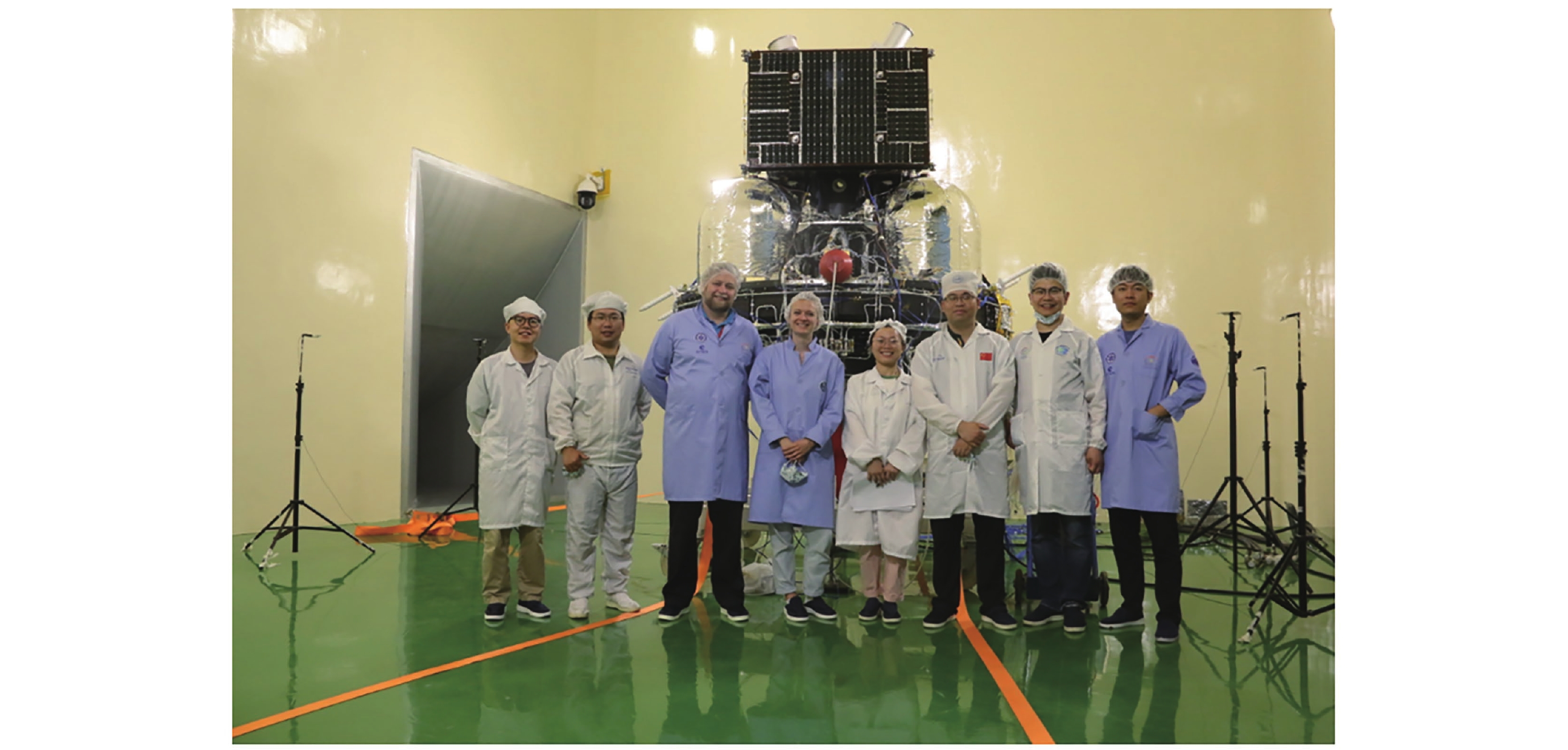
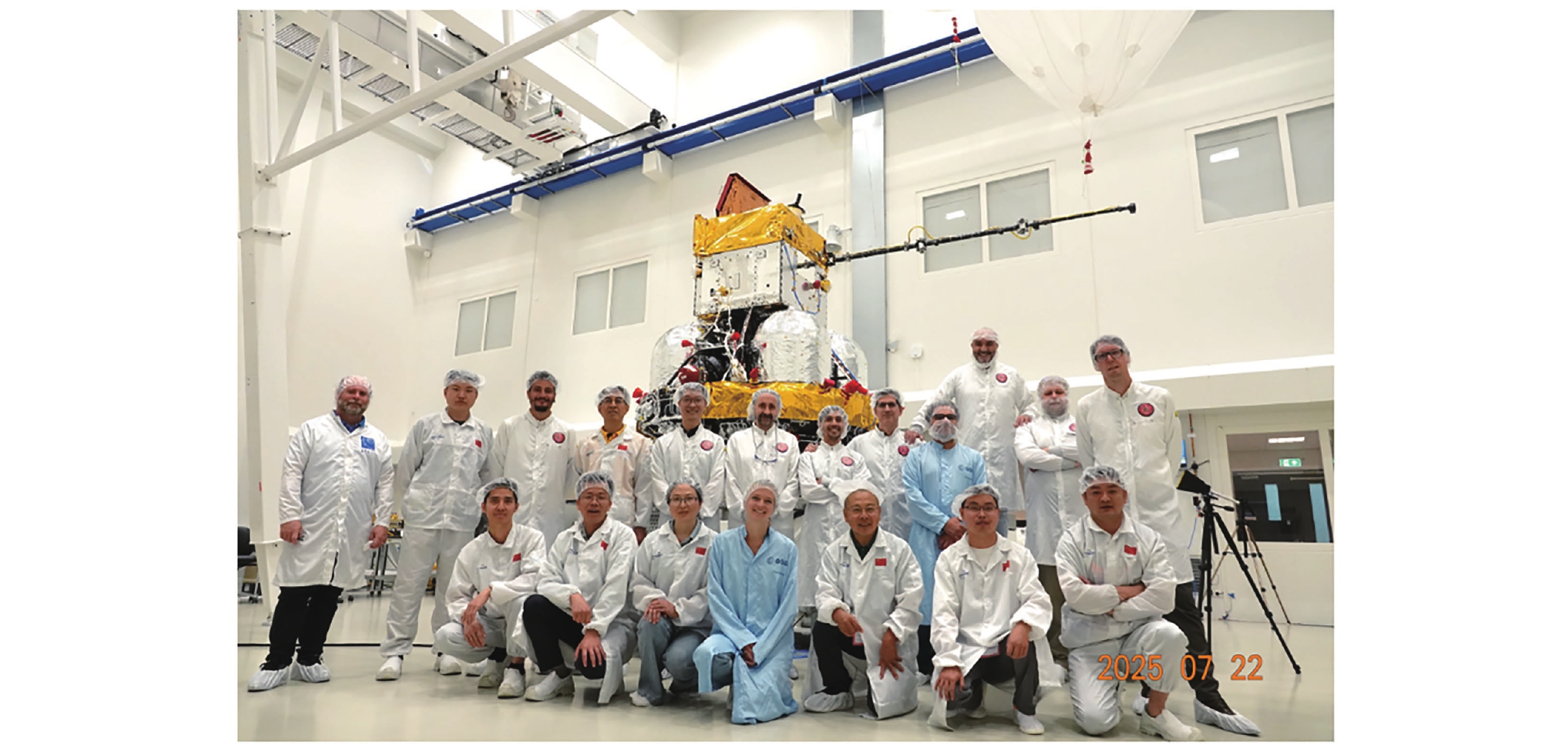
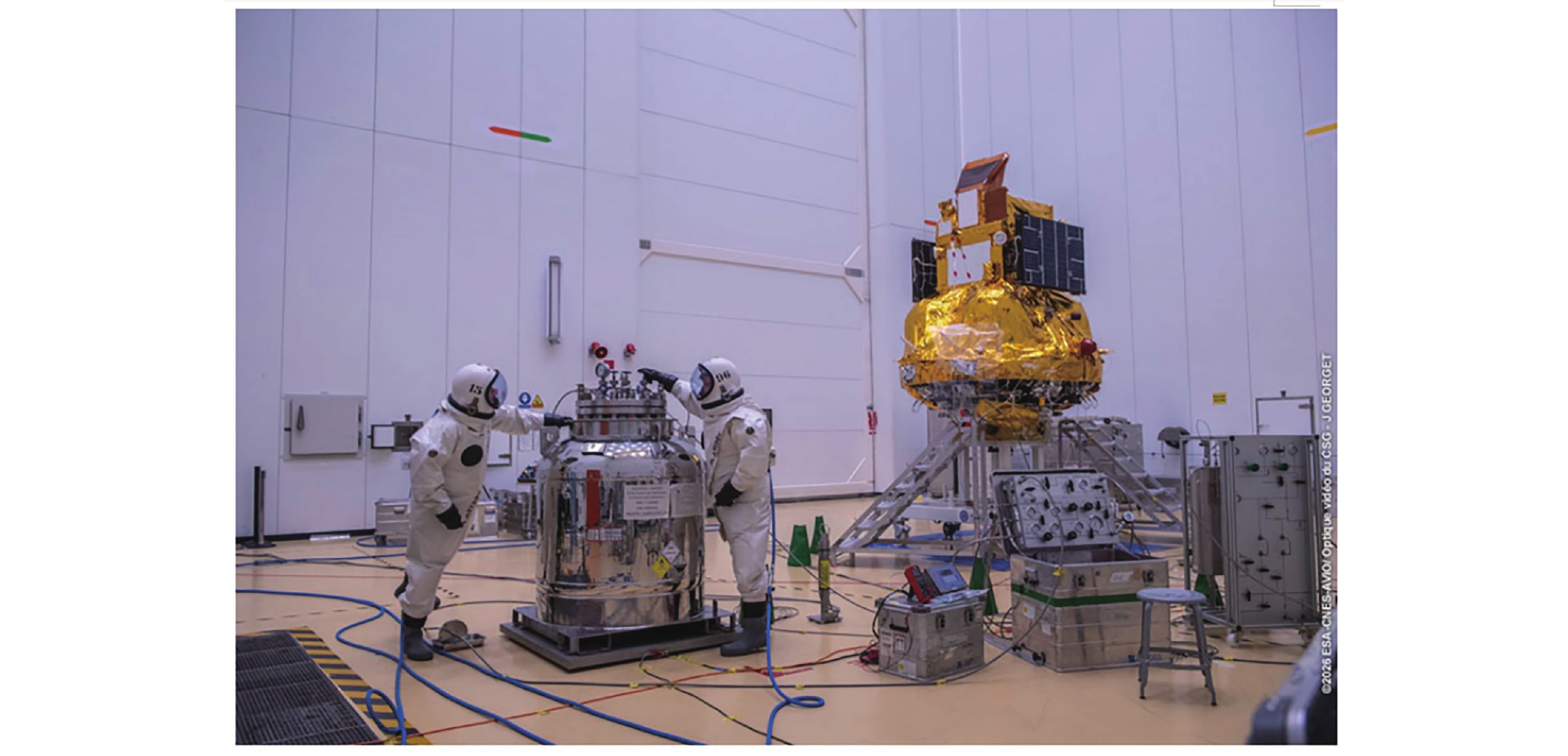
Figure 16. Vega-C fit Check with FM S/C in September 2025 in ESTEC (Credit to ESA/CAS)
-
[1] WANG C, BRANDUARDI-RAYMONT G. Update on the ESA-CAS joint solar wind magnetosphere ionosphere link explorer (SMILE) mission[J]. Chinese Journal of Space Science, 2020, 40(5): 700-703. doi: 10.11728/cjss2020.05.700 [2] WANG C, ESCOUBET P, FORSYTH C, et al. Recent progress of the solar wind magnetosphere ionosphere link explorer (SMILE) mission[J]. Chinese Journal of Space Science, 2024, 44(4): 692-698 [3] GONG Y Q, SUN T R, TANG B B, et al. Dynamic X-ray imaging of the magnetosheath expected during a super storm[J]. Frontiers in Astronomy and Space Sciences, 2025, 12: 1563653. doi: 10.3389/fspas.2025.1563653 [4] GUO J, LU S, LU Q M, et al. Large-scale magnetosheath jets formed by shock-discontinuity interactions: A three-dimensional global hybrid simulation[J]. Geophysical Research Letters, 2026, 53(9): e2025GL121533. doi: 10.1029/2025GL121533 [5] OUYANG W X, YANG Z W, GUO X C, et al. Magnetosheath jet-driven bow waves and their soft X-ray imaging: Hybrid and PIC simulations[J]. Chinese Journal of Space Science, 2024, 44(6): 979-987. doi: 10.11728/cjss2024.06.2024-yg28 [6] GONG Y Q, SUN T R, ESCOUBET C P, et al. The effects of IMF By on the twisting of cusp[J]. Journal of Geophysical Research: Space Physics, 2026, 131(5): e2025JA034856. doi: 10.1029/2025JA034856 [7] ZHANG A X, DUAN S P, DAI L, et al. Observations of the magnetopause reconnection ion diffusion region with high-density O+ ions during the May 2024 superstorm[J]. Geophysical Research Letters, 2026, 53(8): e2025GL121449. doi: 10.1029/2025GL121449 [8] DAI L, ZHU M H, REN Y, et al. Global-scale magnetosphere convection driven by dayside magnetic reconnection[J]. Nature Communications, 2024, 15(1): 639. doi: 10.1038/s41467-024-44992-y [9] ZHU M H, DAI L, WANG C, et al. The influence of ionospheric conductance on magnetospheric convection during the southward IMF[J]. Journal of Geophysical Research: Space Physics, 2024, 129(9): e2024JA032607. doi: 10.1029/2024JA032607 [10] ZHU M H, DAI L, REN Y, et al. Response of magnetospheric convection to the southward turning of the IMF in fast and slow solar wind streams[J]. Journal of Geophysical Research: Space Physics, 2025, 130(11): e2025JA034529. doi: 10.1029/2025JA034529 [11] WANG T H, DAI L, ESCOUBET C P, et al. Substorm expansion embedded in a global cycle of field-aligned currents and auroral electrojets[J]. Nature Communications, 2026, 17(1): 2970. doi: 10.1038/s41467-026-69753-x [12] DAI Lei, WANG Chi, REN Yong, et al. Geomagnetic storms and substorms: progress and perspectives[J]. Chinese Science Bulletin, 2025, 70(27): 4759-4774 doi: 10.1360/CSB-2025-0235 [13] REN Y, ZHU M H, DAI L, et al. Solar-wind triggering of substorm onset during the May 2024 superstorm: Coordinated global observations and simulations[J]. Geophysical Research Letters, 2026, 53(4): e2025GL119629. doi: 10.1029/2025GL119629 [14] WANG X, DAI L, REN Y, et al. The evolution of Earth’s outer radiation belt over geomagnetic storm phase in Van Allen Probe era[J]. Journal of Geophysical Research: Space Physics, 2024, 129(11): e2024JA032674. doi: 10.1029/2024JA032674 -
-

 下载:
下载:

计量
- 文章访问数: 22
- HTML全文浏览量: 14
- PDF下载量: 0
-
被引次数:
0(来源:Crossref)
0(来源:其他)

