Turn off MathJax
Article Contents
YUAN Weimin, BAO Congying. Einstein Probe: Unveiling the Transient X-ray Universe. Chinese Journal of Space Science, 2026, 46(4): 1-7 doi: 10.11728/cjss2026.04.2026-yg12
Citation: YUAN Weimin, BAO Congying. Einstein Probe: Unveiling the Transient X-ray Universe. Chinese Journal of Space Science, 2026, 46(4): 1-7 doi: 10.11728/cjss2026.04.2026-yg12

Einstein Probe: Unveiling the Transient X-ray Universe

doi: 10.11728/cjss2026.04.2026-yg12 cstr: 32142.14.cjss.2026-yg12
More Information
  • Author Bio:

    Professor at the National Astronomical Observatories, Chinese Academy of Sciences (NAOC, CAS), and the Principal Investigator of the Einstein Probe mission. His research focuses on X-ray astronomy, high-energy astrophysics, and space instrumentation. He received his Ph.D. in Physics from the Technical University of Munich and the Max Planck Institute for Extraterrestrial Physics (MPE), Germany, in 1998. Dr. Yuan has led the Einstein Probe mission from its proposal and mission design to scientific operations, making significant contributions to the development of wide-field X-ray imaging based on lobster-eye optics and the exploration of the dynamic X-ray universe. E-mail: wmy@nao.cas.cn

  • Received Date: 2026-05-20
    Available Online: 2026-07-26
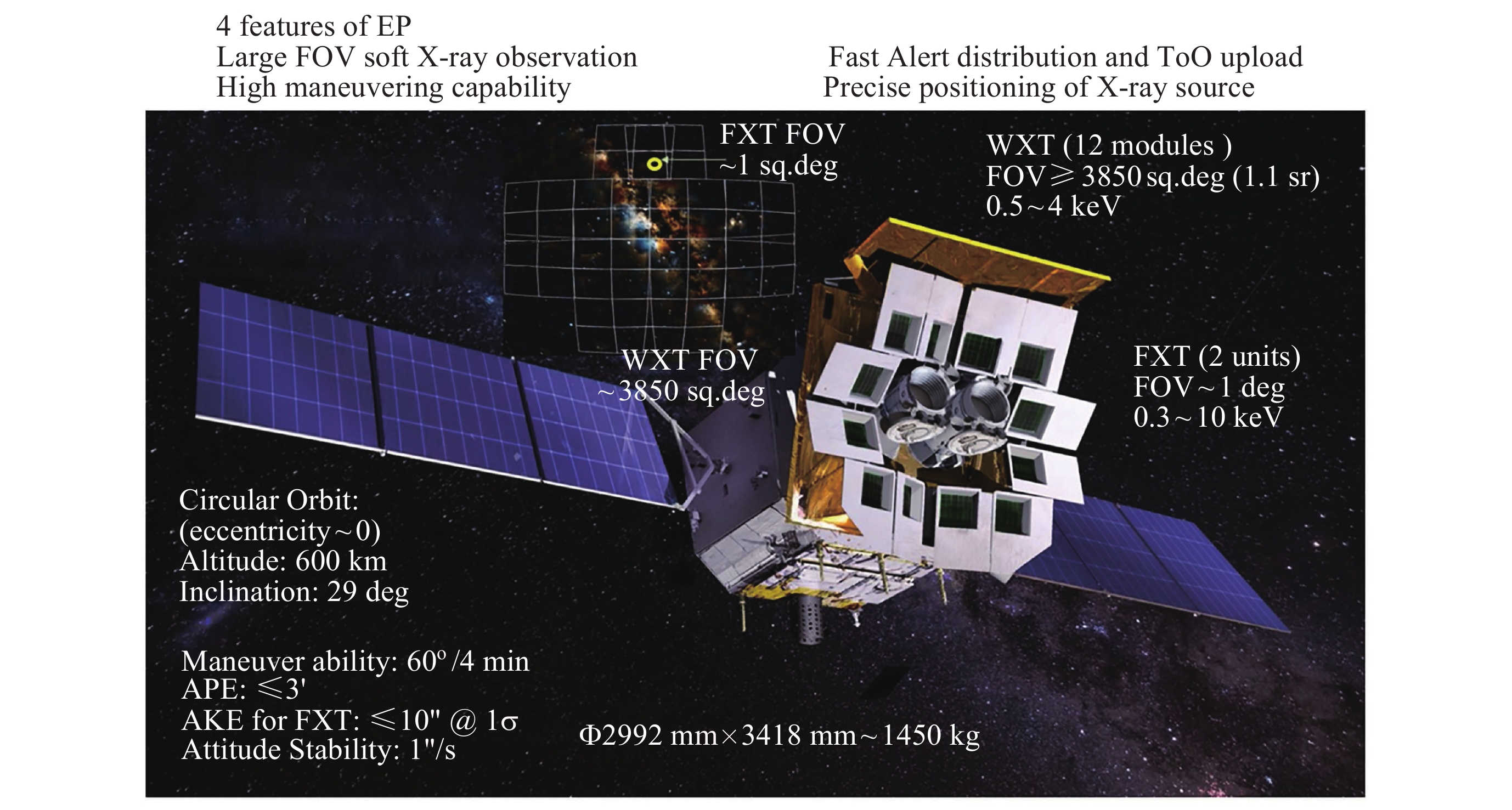
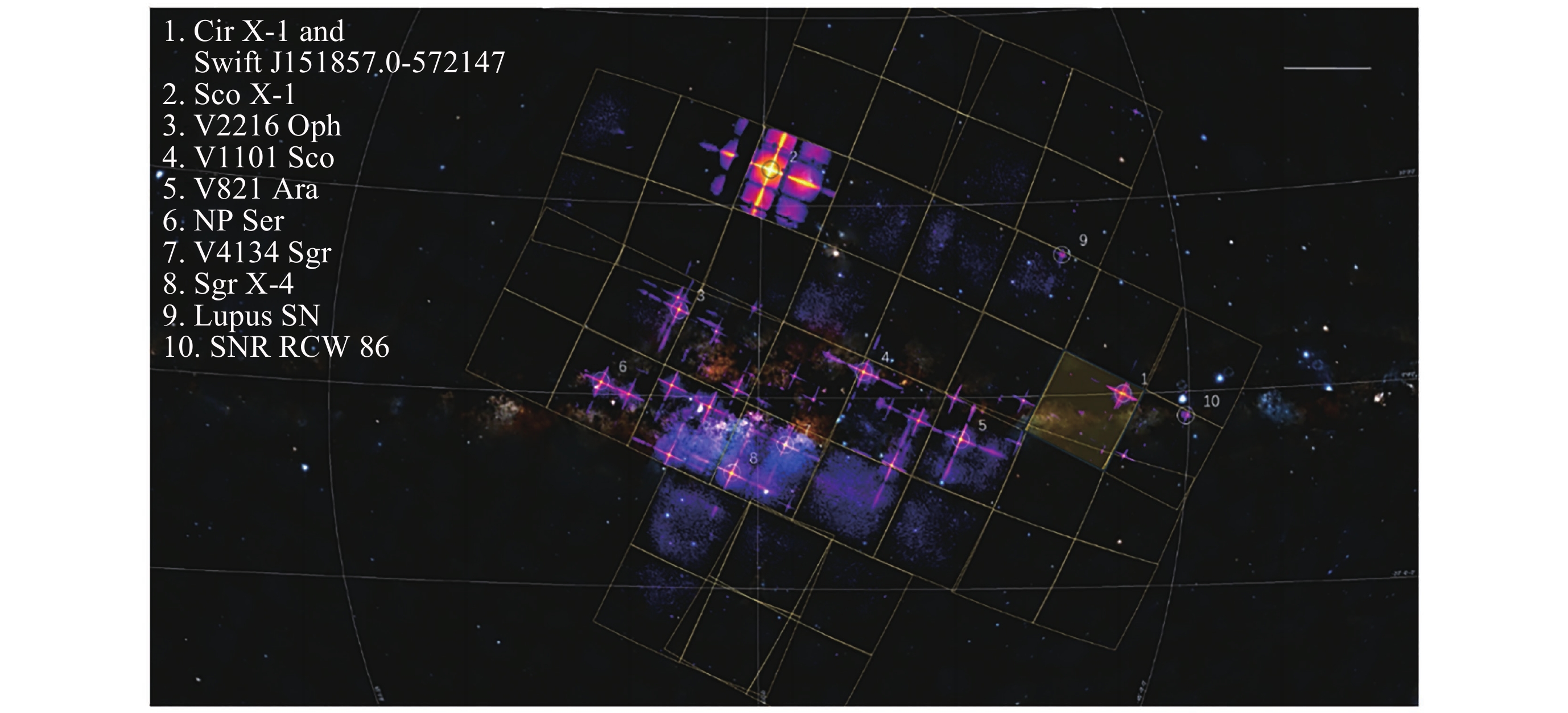
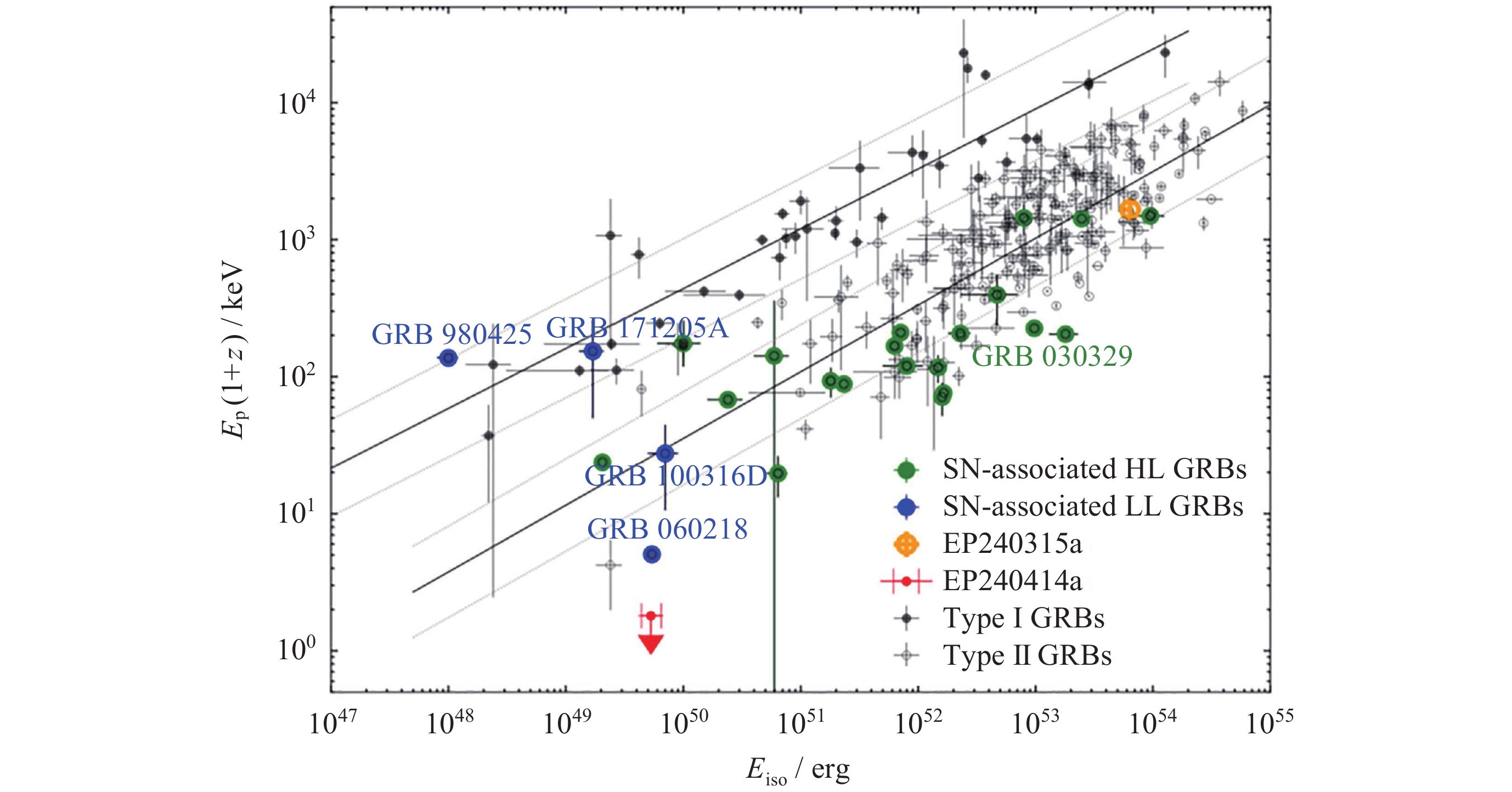
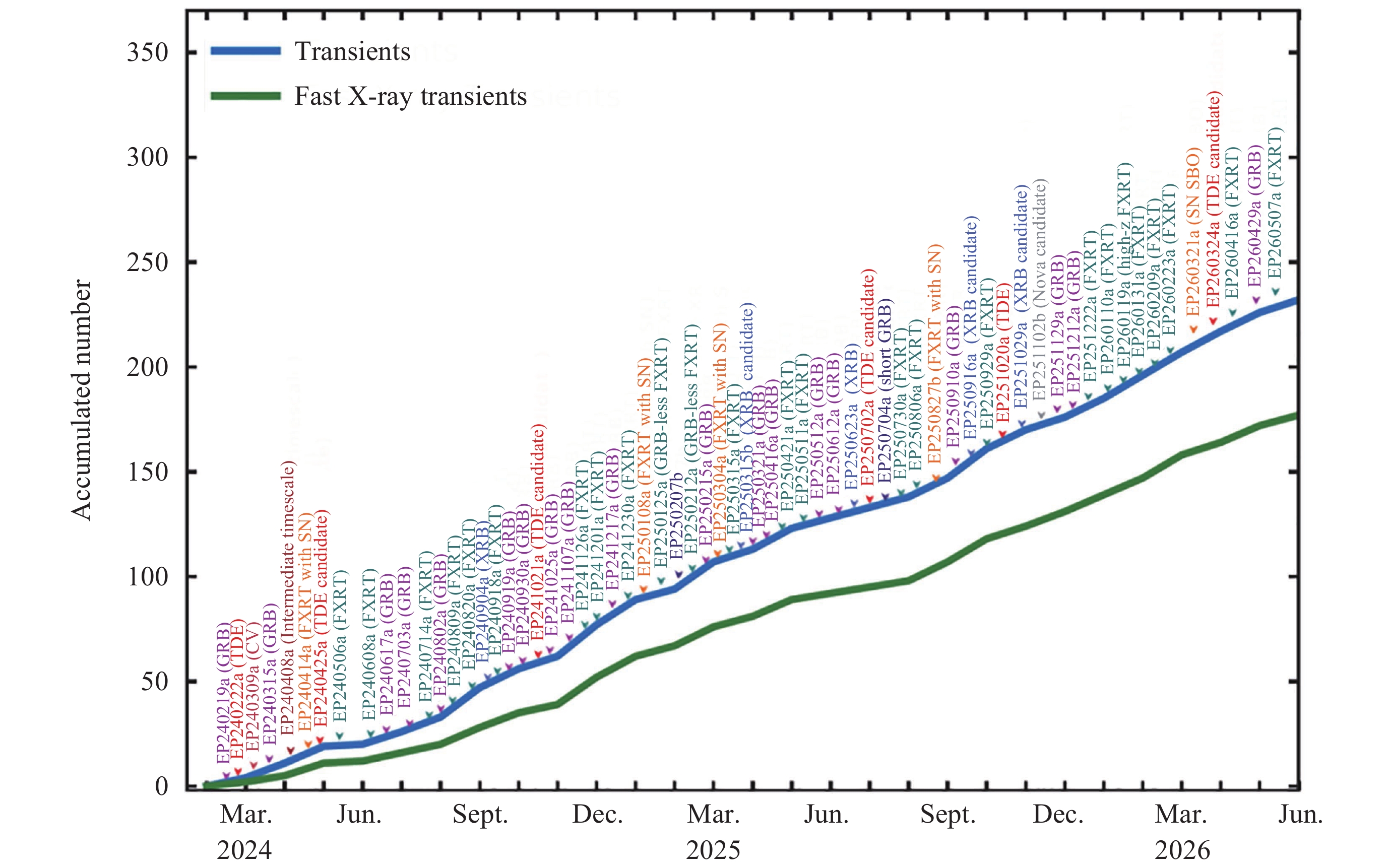
  • The Einstein Probe (EP), a Chinese-led international X-ray astronomy mission with key contributions from ESA, MPE, and CNES, is advancing time-domain astrophysics through its unprecedented wide-field soft X-ray monitoring capability to discover and characterize cosmic X-ray transients. Launched in January 2024, EP carries two complementary instruments: the Wide-field X-ray Telescope (WXT), which employs lobster-eye micro-pore optics to monitor approximately 11% of the sky with exceptional sensitivity, and the co-aligned Follow-up X-ray Telescope (FXT), which provides high-resolution imaging, spectroscopy, and timing observations for rapid follow-up studies. During more than two years of in-orbit operations, EP has detected over 230 X-ray transients, including Tidal Disruption Events (TDEs), gamma-ray bursts (GRBs), rare compact binary systems, and previously unknown types of transients, thereby opening a new observational window for high-energy time-domain astrophysics. Major scientific achievements include the first demonstration of lobster-eye micro-pore focusing X-ray imaging over an extremely large field of view, the discovery of an intermediate-mass black hole through a tidal disruption event, the detection of a high-redshift gamma-ray burst with complex soft X-ray precursor emission, the identification of a weakly relativistic jet associated with a type Ic-BL supernova, and the discovery of unusual X-ray transients that highlight previously unrecognized manifestations of stellar collapse and compact-object interactions. These discoveries provide new insights into some of the most energetic and rapidly evolving astrophysical phenomena, ranging from stellar explosions and relativistic jets to tidal disruption events and black-hole accretion. Enabled by its unique instrumentation, autonomous rapid-response capability, and extensive international collaboration, EP is expected to continue delivering major discoveries and to remain a major facility for time-domain and multi-messenger astrophysics.


  • loading
  • [1]
    YUAN W M, DAI L X, FENG H, et al. Science objectives of the Einstein Probe mission[J]. Science China Physics, Mechanics & Astronomy, 2025, 68(3): 239501
    [2]
    JIN C C, LI D Y, JIANG N, et al. An intermediate-mass black hole lurking in a galactic halo caught alive during outburst[OL]. arXiv preprint arXiv: 2501.09580, 2025
    [3]
    LIU Y, SUN H, XU D, et al. Soft X-ray prompt emission from the high-redshift gamma-ray burst EP240315a[J]. Nature Astronomy, 2025, 9(4): 564-576 doi: 10.1038/s41550-024-02449-8
    [4]
    ZHANG W D, YUAN W M, LING Z X, et al. Einstein Probe discovery of EP240408a: A peculiar X-ray transient with an intermediate timescale[J]. Science China Physics, Mechanics & Astronomy, 2025, 68(1): 219511
    [5]
    SUN H, LI W X, LIU L D, et al. A fast X-ray transient from a weak relativistic jet associated with a type Ic-BL supernova[J]. Nature Astronomy, 2025, 9: 1073-1085 doi: 10.1038/s41550-025-02571-1
    [6]
    MARINO A, YANG H N, COTI ZELATI F, et al. Einstein probe discovery of EP J005245.1-722843: A rare be-white dwarf binary in the small magellanic cloud?[J]. The Astrophysical Journal Letters, 2025, 980(2): L36 doi: 10.3847/2041-8213/ad9580
    [7]
    CHENG H Q, ZHAO Q C, TAO L, et al. Einstein probe discovery of EP J182730.0-095633: A new black hole X-ray binary candidate in faint outburst?[J]. The Astrophysical Journal Letters, 2025, 991(2): L41 doi: 10.3847/2041-8213/adf104
    [8]
    SHU X W, YANG L, YANG H N, et al. EP241021a: A months-duration X-ray transient with luminous optical and radio emission[J]. The Astrophysical Journal Letters, 2025, 990(1): L29 doi: 10.3847/2041-8213/adf4cd
    [9]
    SUN H, WANG C W, YANG J, et al. Magnetar emergence in a peculiar gamma-ray burst from a compact star merger[J]. National Science Review, 2025, 12(3): nwae401 doi: 10.1093/nsr/nwae401
    [10]
    LI D Y, ZHANG W D, YANG J, et al. A fast powerful X-ray transient from possible tidal disruption of a white dwarf[J]. Science Bulletin, 2026, 71(3): 538-546 doi: 10.1016/j.scib.2025.12.050
  • 加载中

Catalog

    Figures(6)  / Tables(1)

    Article Metrics

    Article Views(29) PDF Downloads(0) Cited by()
    Visiting Statistics
    Related Articles

    /

    DownLoad:  Full-Size Img  PowerPoint
    Return
    Return